CNC stands for Computer Numerical Control. It refers to the use of computer programs to control machine tools such as lathes, mills, routers, and grinders. Instead of manual operation, every movement is guided by coded instructions. This ensures precise dimensions, smooth finishes, and repeatable results. CNC machining can process materials like metal, plastic, wood, and composites with outstanding accuracy.
How CNC Machining Works
The process begins with a digital 3D design, usually created in CAD software. The file is converted into a machine-readable format using CAM software. The program then guides the cutting tools to remove material layer by layer until the desired shape is achieved. CNC machining offers flexibility for complex shapes, fine details, and tight tolerances.
| Process Stage |
Description |
Result |
| CAD Design |
Create digital 3D model |
Defines part geometry |
| CAM Programming |
Convert design to code |
Machine-readable G-code |
| Machining Operation |
CNC executes commands |
Produces final component |
Common Types of CNC Machines
CNC technology includes several types of machines, each designed for specific operations. CNC milling machines cut material using rotary tools on multiple axes, while CNC lathes rotate the workpiece to achieve symmetry. CNC routers handle large sheets of materials like wood or aluminum, and CNC grinders finish surfaces for accuracy.
| Machine Type |
Main Function |
Material Examples |
| CNC Mill |
Cutting, drilling, shaping |
Aluminum, steel, brass |
| CNC Lathe |
Turning and facing |
Stainless steel, plastic |
| CNC Router |
Engraving, cutting sheets |
Wood, acrylic |
| CNC Grinder |
Surface finishing |
Tool steel, titanium |
Features of CNC Machining
CNC machining provides exceptional control over precision manufacturing. The computer-guided system minimizes human error and maintains consistent quality. It allows production of complex geometries that are difficult or impossible with manual tools. The repeatability of CNC ensures identical parts every time. This makes it ideal for industries that require tight tolerance and high standards.
Advantages of CNC Machining
One of the biggest advantages of CNC machining is its accuracy. The process can achieve tolerances as tight as \u00B10.01 mm. Efficiency is another key benefit, as the machines can run continuously with minimal supervision. It also reduces material waste through optimized cutting paths. CNC machining supports both small-batch and large-scale production.
| Advantage |
Explanation |
| Precision |
Produces parts with minimal error |
| Speed |
Automated operation shortens production time |
| Flexibility |
Suitable for various materials and designs |
| Consistency |
Ensures identical results across batches |
| Efficiency |
Reduces waste and human labor |
Materials Used in CNC Machining
CNC machining can work with a wide range of materials. Metals such as aluminum, brass, steel, and titanium are common choices for industrial applications. Plastic materials like ABS, nylon, and acrylic are also used for lightweight components. Each material requires different tools and cutting speeds, depending on its hardness and thermal properties.
Applications of CNC Machining
CNC machining is widely applied in multiple industries. In the automotive sector, it is used for engine parts, transmission housings, and custom brackets. Aerospace manufacturers rely on CNC for turbine blades and structural components. In electronics, CNC machines produce precise housings and connectors. It is also used in medical, marine, and energy industries for parts requiring accuracy and durability.
Comparison with Other Manufacturing Methods
Unlike 3D printing or casting, CNC machining removes material rather than adding it. This subtractive process provides better surface finish and tighter tolerance. CNC machining is faster for certain production runs and ideal for metal components. It offers a balance of strength, precision, and cost-efficiency unmatched by many other methods.
The Role of Custom CNC Machining
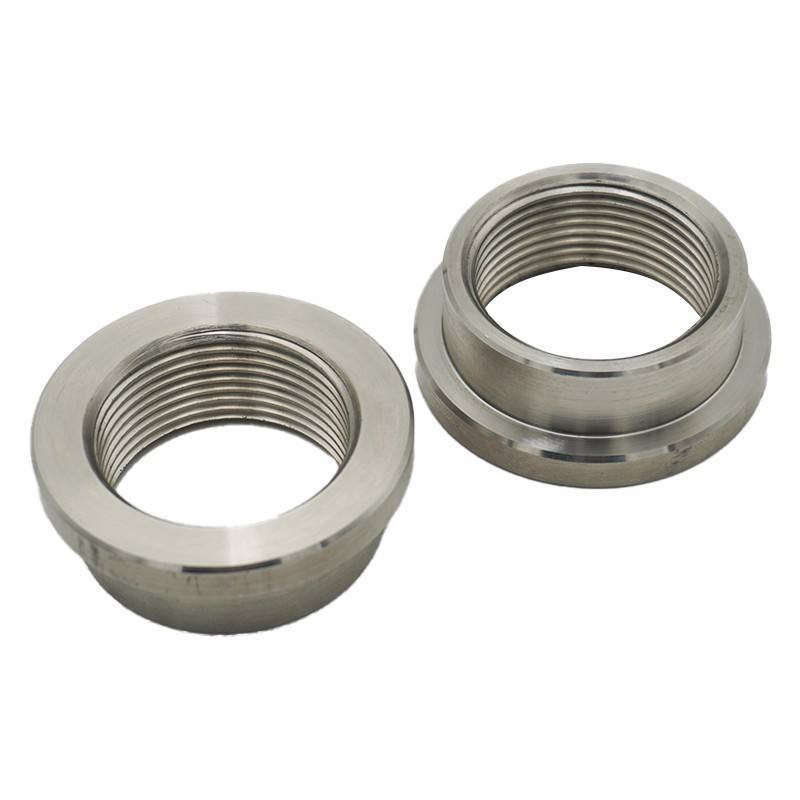
Custom CNC machining allows manufacturers to produce tailored components for specific applications. It supports low-volume production, rapid prototyping, and design flexibility. Whether it\u2019s a simple metal bracket or a complex mechanical part, custom CNC machining delivers exact specifications and repeatability.
Future of CNC Machining
The future of CNC machining is linked with automation, artificial intelligence, and smart manufacturing. Modern machines integrate sensors and IoT systems to monitor performance in real time. This leads to predictive maintenance and improved production planning. As sustainability becomes more important, CNC machining will continue evolving to reduce waste and energy consumption.
Choosing a Reliable CNC Machining Partner
When selecting a machining supplier, consider their equipment, technical expertise, and material capabilities. A professional manufacturer should provide precision control, consistent quality, and flexible customization. They should also offer support from design to final inspection. High-quality CNC machining ensures that every component meets your functional and structural requirements.
Conclusion
CNC machining represents the foundation of modern precision manufacturing. It combines computer technology with mechanical engineering to produce accurate and durable components. From prototypes to full-scale production, CNC machining ensures reliability, efficiency, and innovation. If you need high-precision parts or customized components, Welcome to contact us for professional CNC machining solutions designed to fit your needs.