Key Processes in Sheet Metal Fabrication
Cutting
Cutting is the first step in sheet metal fabrication. Techniques include laser cutting, water jet cutting, and shearing. Laser cutting provides precise edges and minimal material waste. Water jet cutting handles thick materials without heat. Shearing is fast and efficient for straight cuts. Accurate cutting ensures parts fit perfectly in assemblies.
Bending
Bending forms the sheet into angles, curves, or folds. Press brakes and rolling machines are used. Proper bending ensures structural stability. It also reduces assembly errors. Different bending methods allow varied shapes and complex designs.
Stamping
Stamping uses punches and dies to shape the metal. It creates holes, designs, and patterns efficiently. Stamping supports high-volume production with consistent quality. It is ideal for automotive panels and industrial components.
Welding
Welding joins metal sheets or parts together. TIG, MIG, and spot welding are commonly used. Welding provides strong joints and structural reliability. Proper welding increases durability and reduces failure risk.
Sheet Metal Fabrication uses a variety of metals. Common materials include:
-
Stainless steel for strength and corrosion resistance
-
Aluminum for lightweight and flexibility
-
Brass for conductivity and aesthetic appeal
-
Copper for excellent electrical properties
Material choice affects durability, performance, and cost. Correct selection ensures long-term reliability and efficiency.
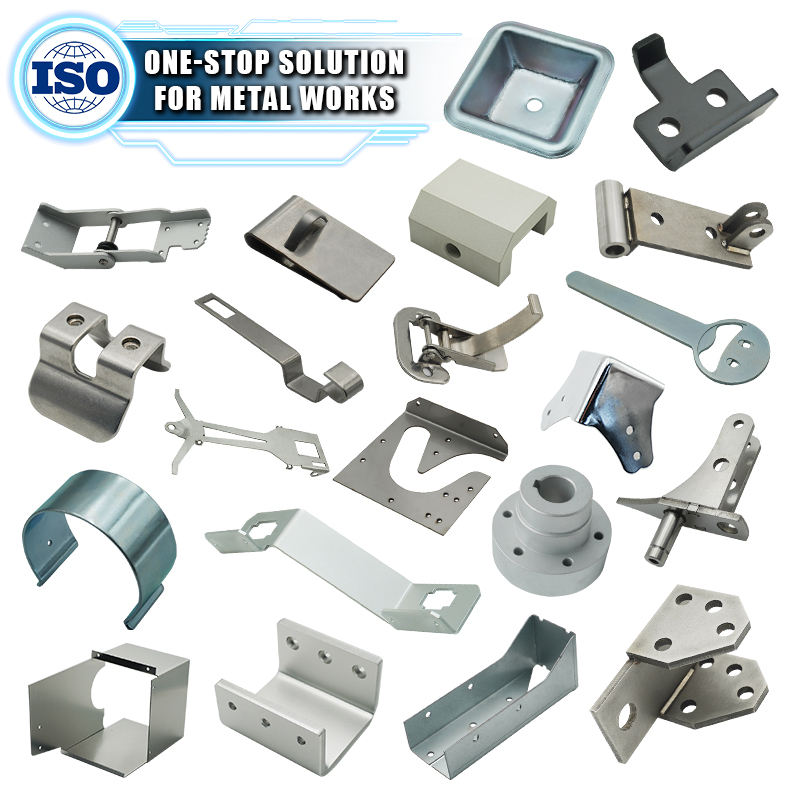
Applications of Sheet Metal Fabrication
Automotive
Sheet metal fabrication produces car bodies, brackets, panels, and engine parts. Parts must be strong and precise. Proper fabrication improves vehicle safety and performance.
Electronics
Electronics require enclosures, chassis, and brackets. Sheet metal fabrication protects delicate devices. It ensures precise dimensions and proper fit.
Construction
Construction uses fabricated sheets for roofing, siding, and structural supports. Fabricated components ensure safety and long-term performance. Quality fabrication reduces maintenance needs.
Industrial Machinery
Industrial machinery uses sheet metal for frames, guards, and casings. Fabrication provides precise parts that support heavy loads. Components must be durable and reliable.
Advantages of Sheet Metal Fabrication
High Precision
Sheet Metal Fabrication provides accurate dimensions and tight tolerances. CNC machines and laser cutting ensure consistent results. High precision improves assembly and reduces errors.
Flexibility
Sheet metal fabrication supports multiple shapes, sizes, and designs. Custom parts meet unique project requirements. Flexibility allows adaptation for various industries.
Efficiency
Automated processes reduce production time. Sheet metal fabrication allows high-volume production without compromising quality. Efficient processes save cost and resources.
Durability
Fabricated metal components are strong and wear-resistant. Stainless steel and aluminum enhance lifespan. Durability ensures reliable performance under heavy use.
Cost-Effectiveness
Efficient production reduces material waste. Long-lasting components reduce replacement and maintenance costs. Sheet Metal Fabrication provides a balance of quality and affordability.
Advanced Technologies in Sheet Metal Fabrication
CNC Machining
CNC machines automate cutting and shaping. They provide high accuracy and repeatable results. CNC machining supports complex designs with minimal error.
Laser Cutting
Laser cutting produces intricate designs with clean edges. It allows precise shapes that traditional tools cannot achieve. Laser cutting is fast and reduces material stress.
Automated Bending
Robotic bending improves consistency and reduces errors. Automation increases speed for large-scale production. Accurate bending ensures proper assembly fit.
Quality Control Systems
Advanced inspection tools monitor dimensions, surface finish, and strength. Continuous quality control guarantees reliable Sheet Metal Fabrication. Each component undergoes strict testing before delivery.
Surface Finishing in Sheet Metal Fabrication
Surface finishing enhances appearance and durability. Options include:
-
Powder coating for corrosion resistance
-
Anodizing for aluminum parts
-
Polishing for aesthetics
-
Plating for extra wear protection
Finishing protects components from environmental damage. It improves mechanical properties and visual appeal. Proper finishing ensures long-term performance.
Design Considerations for Sheet Metal Fabrication
Designing for sheet metal requires knowledge of material and bending limits. Engineers must consider thickness, grain direction, and assembly methods. Well-designed parts reduce waste and production costs. Early planning improves final component quality.
Custom Solutions in Sheet Metal Fabrication
Sheet Metal Fabrication allows tailored solutions for each project. Components can be made in custom sizes, shapes, and finishes. Engineers design brackets, enclosures, panels, and frames to meet precise specifications. Custom fabrication ensures functionality and aesthetic appeal.
Sustainability and Material Efficiency
Efficient use of sheet metal reduces waste. Recycling scrap metal lowers environmental impact. Sustainable practices are increasingly important in modern industries.
Safety Considerations
Safety is critical in Sheet Metal Fabrication. Operators follow strict safety protocols during cutting, bending, and welding. Protective equipment minimizes risk. Well-fabricated components also prevent hazards in final assembly.
Future Trends in Sheet Metal Fabrication
New technologies like 3D laser cutting, robotic assembly, and AI-assisted design shape the future. Precision, speed, and flexibility will continue to improve. Sheet Metal Fabrication evolves to meet modern industrial demands.
Advantages Summary
Sheet Metal Fabrication provides precision, durability, flexibility, efficiency, and cost savings. It supports diverse industries with reliable and custom solutions. Advanced technologies improve quality and production speed.
If you need professional Sheet Metal Fabrication services, contact us today. Our team offers guidance, custom solutions, and high-quality components. We focus on precision, reliability, and efficiency to meet all your fabrication needs.