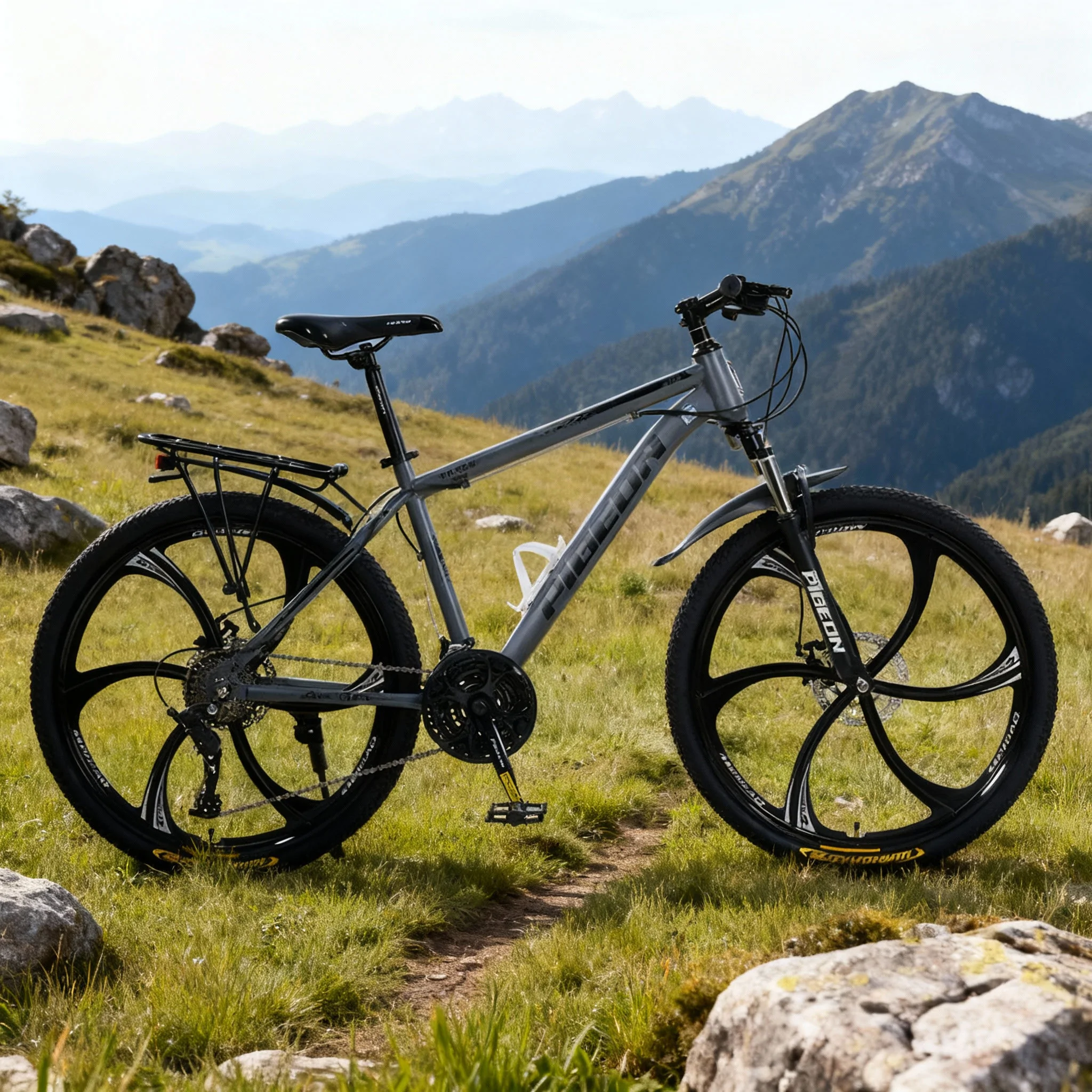

Before venturing into the snow, you need to ensure your bike is suitable for the terrain. Regular bikes can be difficult to ride in snowy conditions, but snow bikes are designed specifically for winter cycling. These bikes are built to provide traction, stability, and comfort on snow and ice. Here's a quick overview of the key components of a snow bike.
Snow bikes come equipped with wider tires that are designed to handle soft, slippery surfaces. These tires are typically over 3.8 inches wide and have a low pressure that helps the bike float on top of the snow, preventing it from sinking. The frame and suspension systems of snow bikes are also designed to handle cold weather and rough, icy conditions.
| Component | Function | Benefit for Snow Riding |
|---|---|---|
| Wide Tires | Larger diameter for better flotation. | Helps bike stay on top of the snow. |
| Low Tire Pressure | Decreases tire pressure for better grip on soft snow. | Provides extra traction on snow and ice. |
| Suspension | Front or full suspension systems. | Absorbs bumps and rough snow surfaces. |
| Frame | Sturdy and cold-resistant. | Keeps the bike durable in freezing temperatures. |
Choosing a snow bike designed specifically for winter conditions will make the ride much smoother and more enjoyable. Regular mountain bikes or road bikes may struggle in the snow due to their tires' lack of traction.
Before you head out, it’s essential to properly prepare both yourself and your bike for winter conditions. Riding in the snow is different from biking in other weather conditions, so preparation is key to a successful and safe ride.
Snow biking often means dealing with extremely cold weather. Proper clothing is crucial to prevent hypothermia or frostbite. Layering is the best way to regulate your body temperature while riding in snow. Start with a moisture-wicking base layer, add an insulating middle layer, and finish with a waterproof, windproof outer layer. Don’t forget warm gloves, boots, and a helmet with a winter-specific lining to protect your head and face from the cold.
Snow and ice can be harsh on your bike, so it's essential to maintain it well before, during, and after your ride. Ensure that the chain is well-lubricated to prevent it from freezing, and check that the tires are properly inflated for optimal traction. You may also want to use wider tires with more aggressive tread patterns, as they will provide better grip on slippery surfaces.
| Task | Description | Why It's Important |
|---|---|---|
| Lubricate the Chain | Apply a winter-specific lubricant to prevent freezing. | Keeps the chain functioning smoothly in the cold. |
| Tire Pressure | Make sure your tires are inflated to the proper pressure. | Proper inflation ensures better traction. |
| Brake Check | Ensure your brakes are working well, especially in wet conditions. | Provides stopping power on slippery surfaces. |
Proper maintenance will ensure that your snow bike works efficiently and safely in harsh winter conditions.
Riding a bike in the snow requires a few adjustments in technique to ensure that you maintain control and avoid accidents. Here are some useful tips to help you ride safely and efficiently.
Snow and ice can be unpredictable, so it's important to maintain a steady pace when riding. Sudden movements or high speeds can cause the bike to lose traction and may lead to an accident. Keep your speed moderate and focus on smooth, controlled movements. It’s also important to keep your body weight evenly distributed, especially when navigating snowdrifts or icy patches.
Turning in the snow can be tricky, as the traction between your tires and the surface is reduced. When approaching a corner, lean your body slightly into the turn, but avoid leaning too much. You want to maintain balance and control, so steer gently and smoothly. Avoid making sharp turns, as this can cause the bike to slip out from under you.
Braking in snow can be challenging because snow and ice reduce the effectiveness of your brakes. When applying the brakes, do so gently and progressively to avoid locking the wheels. If you’re riding with disc brakes, ensure that they are clear of ice and snow buildup to maintain their effectiveness.
| Technique | Description | Why It Helps in Snow |
|---|---|---|
| Steady Speed | Maintain a consistent, moderate pace. | Helps you stay balanced and maintain traction. |
| Gentle Turns | Lean slightly and make smooth, gradual turns. | Prevents loss of traction and helps maintain control. |
| Progressive Braking | Apply brakes gently and progressively. | Reduces risk of wheel lockup and loss of control. |
By mastering these techniques, you'll be able to navigate snowy terrain more confidently and reduce the risk of slipping or falling.
Snow can vary greatly depending on the environment. Whether you are riding through deep powder, packed snow, or icy patches, each condition requires different handling and techniques.
Deep powder snow can be difficult to ride through because it’s soft and deep. In this condition, it's essential to have a snow bike with wide tires and low tire pressure. This will help you float on top of the snow rather than sinking in. Ride slowly and keep your body weight balanced over the bike to prevent the tires from getting stuck.
Packed snow provides more traction than loose powder but can still be slippery. When riding on packed snow, you may need to adjust your tire pressure slightly higher than when riding on powder, as the snow is more compact. Ride at a steady pace and avoid sudden movements to prevent slipping.
Icy patches can be hazardous, so it’s important to stay alert when riding in such conditions. Always anticipate where ice patches may be, and ride slowly through them. Avoid sharp turns or sudden braking on ice, as it can cause your tires to lose traction. It’s often helpful to find a route that avoids large stretches of ice if possible.
While snow biking can be thrilling, it’s important to take necessary safety precautions. Always wear a helmet and appropriate protective gear. Keep your bike well-maintained and check the weather conditions before heading out. Additionally, it’s always a good idea to ride with a partner or in a group for extra safety.
If you have any doubts or need further advice, contact us for expert guidance on snow biking. Whether you're new to the sport or looking for tips on improving your technique, our team is here to help you make the most of your snow bike experience.
Riding a snow bike can be an exciting and rewarding experience, offering a unique way to explore the winter landscape. By choosing the right bike, preparing yourself and your bike, and practicing the correct techniques, you can enjoy cycling in the snow safely and efficiently. Whether you’re riding through powder, packed snow, or ice, remember to stay steady, maintain control, and always prioritize safety.