

An off-road bicycle is specifically designed to handle rough terrain. These bikes differ from regular road bicycles in several ways, most notably their construction and components. The tires are wider and often knobby, which helps them grip loose or uneven surfaces. The frame is more robust, built to withstand the pressures of rough trails, and the bike may include suspension systems to absorb shocks.
There are various types of off-road bicycles, each designed for specific kinds of terrain and riding styles. Understanding these differences is key when choosing the right bike for your needs. Below is a comparison of some of the most common types of off-road bikes.
| Bike Type | Description | Best For |
|---|---|---|
| Mountain Bike | Built for rugged trails with suspension systems for comfort. | Steep hills, rocky paths, and dirt trails |
| Fat Bike | Features oversized tires for soft terrains like sand and snow. | Snow, sand, mud, and extreme conditions |
| Cyclocross Bike | Designed for mixed terrain, including gravel and pavement. | Racing and mixed-terrain cycling |
| Gravel Bike | A hybrid of road and mountain bikes, ideal for gravel roads. | Long-distance touring, light off-road |
Mountain bikes are the most common and well-known off-road bicycles. These bikes are built to tackle rough, uneven terrains such as rocky trails, dirt paths, and hilly landscapes. They typically come with wide tires, front or full suspension, and a durable frame to withstand the bumps and impacts from the trail. Mountain bikes are versatile and can be used for everything from casual rides to competitive racing.
Fat bikes are a special type of off-road bicycle designed for extreme conditions. They feature oversized tires that allow them to ride on soft surfaces such as sand, snow, and mud. The large tires provide greater flotation, preventing the bike from sinking into the soft ground. Fat bikes are perfect for winter sports or exploring remote off-road locations that would otherwise be inaccessible.
Cyclocross bikes are designed for a mix of off-road and on-road riding. They are commonly used in competitive events that take place on a variety of surfaces, including dirt, grass, and pavement. These bikes have narrower tires compared to mountain bikes but still feature a robust frame and excellent grip for off-road performance. Cyclocross bikes are ideal for riders looking for versatility in both urban and rugged environments.
Gravel bikes are designed for riders who want a hybrid of road cycling and off-road adventure. These bikes are built to handle gravel roads, dirt paths, and light trails, making them a great choice for long-distance cyclists who want to explore beyond the pavement. Gravel bikes offer a smoother ride compared to mountain bikes but still provide enough durability for rougher surfaces.
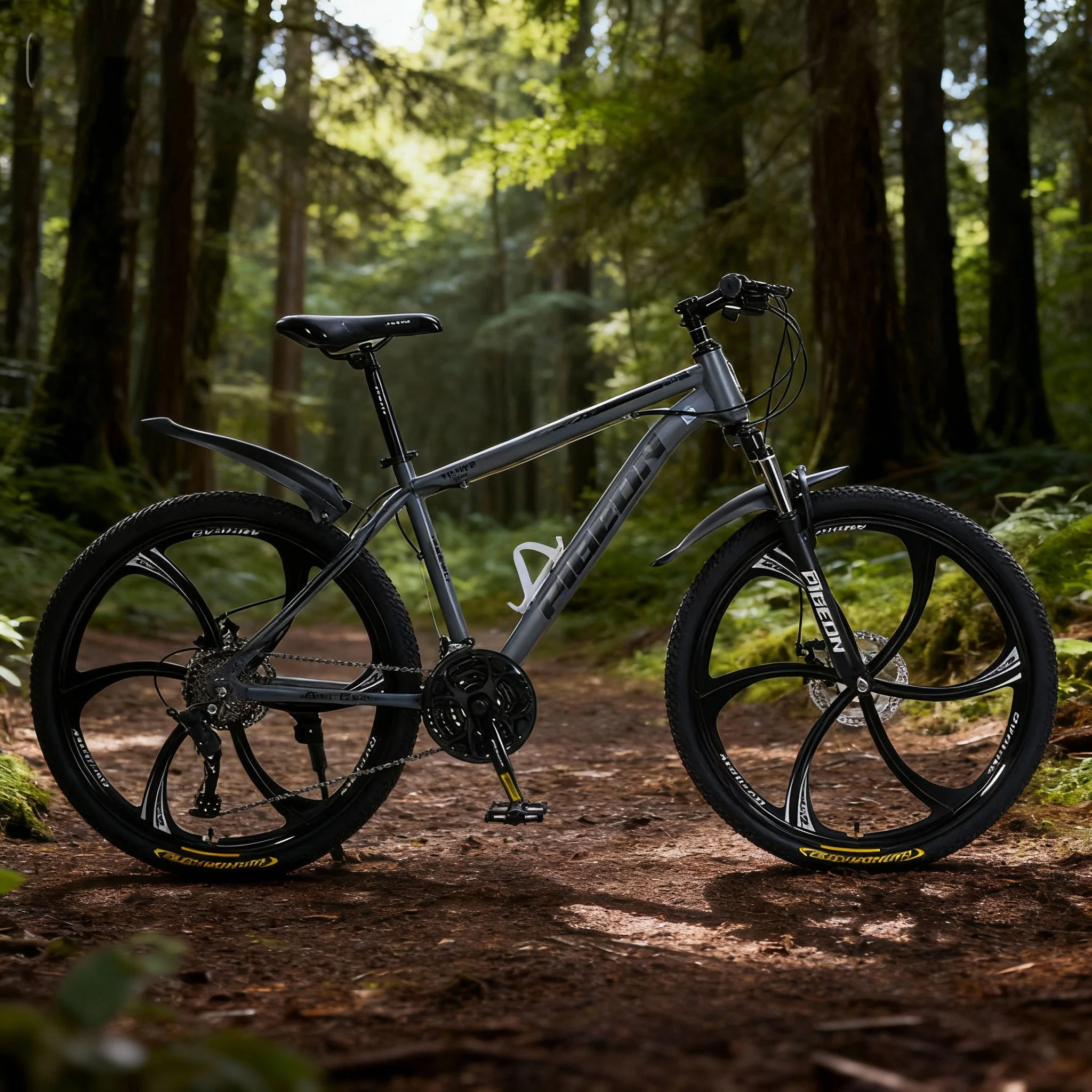
Off-road bikes are equipped with several key components that distinguish them from standard bicycles. These features are crucial for ensuring that the bike can handle the demands of off-road riding.
| Component | Function | Benefit for Off-Road Cycling |
|---|---|---|
| Tires | Wider with knobby tread for better grip on uneven terrain. | Improved traction on loose surfaces like dirt, gravel, or snow. |
| Suspension | Front or full suspension systems to absorb shocks. | Enhances comfort and control on rough trails. |
| Frame | Stronger and more durable than road bike frames. | Built to handle rough terrain and impacts. |
| Brakes | Disc brakes for stronger stopping power in various conditions. | Provides better control, especially in wet or muddy conditions. |
The tires of off-road bicycles are typically much wider than road bike tires, providing better traction and stability. The tires are often knobby or heavily treaded, allowing them to grip loose surfaces like gravel, mud, or sand. The increased tire volume also helps absorb some of the shocks from bumps and rough terrain.
Suspension is one of the most important features of an off-road bike. It allows the bike to absorb impacts from uneven surfaces, which helps improve comfort and control. There are two main types of suspension systems: front suspension (for the front wheel) and full suspension (for both the front and rear wheels). Full suspension bikes offer the most comfort and control, especially on extremely rough trails.
The frame of an off-road bike is built to be stronger and more durable than a regular road bike frame. Materials like aluminum, steel, or carbon fiber are often used to create a lightweight yet strong structure. The frame is designed to withstand the pressures of off-road cycling, including impacts, vibrations, and the stresses of climbing hills or descending rough trails.
Riding an off-road bike offers a variety of benefits that go beyond just physical fitness. Off-road cycling can improve mental well-being, enhance social connections, and provide an exhilarating way to explore the outdoors.
Off-road biking is an excellent form of exercise. Navigating uneven terrain requires more effort than riding on smooth roads, making it a full-body workout. It engages muscles in the legs, core, and arms as cyclists shift their weight, balance, and maneuver through obstacles. This makes off-road biking an effective way to improve cardiovascular health and muscle strength.
Being outdoors and engaging in physical activity has proven mental health benefits. Off-road cycling allows riders to disconnect from daily stress and immerse themselves in nature. The focus required to navigate challenging terrain helps clear the mind and can reduce anxiety and improve mood.
Off-road cycling often brings people together. Whether through local cycling clubs, group rides, or online communities, biking is a social activity that allows people to bond over shared interests. It’s also a great way to meet new people and form lasting friendships.
Selecting the right off-road bicycle depends on a variety of factors, including your experience level, the type of terrain you plan to ride, and your budget. Understanding these factors will help you make an informed decision.
If you're new to off-road cycling, start with a mountain bike or gravel bike. These bikes are versatile and can handle a variety of terrains. Look for a bike with front suspension if you're just starting, as it will help absorb shocks without the added complexity of full suspension systems.
Experienced riders may prefer a full-suspension mountain bike or a fat bike. Full-suspension bikes offer enhanced comfort and control on rough trails, while fat bikes are great for riders who plan to tackle extreme conditions like sand or snow. Cyclocross bikes are also a good option for those who want a mix of on-road and off-road cycling.
| Feature | Mountain Bike | Fat Bike | Cyclocross Bike |
|---|---|---|---|
| Tire Size | 26-29 inches | 3.8-5 inches (wide tires) | 32-40 mm |
| Suspension | Front suspension or full suspension | Usually no suspension or front suspension | Minimal suspension or rigid fork |
| Terrain | Rocky trails, steep hills | Sand, snow, and extreme terrain | Mixed terrain (grass, gravel, pavement) |
| Purpose | Off-road trails, mountain biking | Extreme off-road conditions | Racing, commuting, and adventure cycling |
| Weight | Moderate (14-30 lbs) | Heavier (30-40 lbs) | Lighter (16-23 lbs) |
Off-road bikes can range from budget-friendly models to high-end bikes with advanced features. When choosing a bike, consider how often you’ll be riding and what type of terrain you’ll be exploring. If you’re on a budget, a hardtail mountain bike with front suspension is a great entry-level option. If you plan to bike frequently or tackle challenging terrain, it may be worth investing in a higher-end bike with full suspension and other advanced features.
Proper maintenance is crucial for keeping your off-road bicycle in top condition. Regular cleaning, lubrication, and inspections will ensure that your bike performs at its best for years to come.
After a ride, especially on muddy or dusty trails, it’s important to clean your bike. Use a gentle hose or a bucket of water to rinse off dirt and debris. Be sure to dry your bike thoroughly to prevent rusting, especially on the frame and components.
Lubricating the chain, gears,
and other moving parts will help prevent wear and tear. Use a bike-specific lubricant to avoid damaging the components. Regular lubrication will keep your bike running smoothly and ensure that your gears shift without issue.
Check your tires regularly for wear and tear. If you notice any cuts, punctures, or low air pressure, make sure to repair or replace the tires as necessary. Off-road tires take a lot of abuse, so keeping them in good shape is essential for your safety and performance.
An off-road bicycle is more than just a means of transportation—it’s a tool for adventure and exploration. Whether you’re riding a mountain bike, cyclocross bike, or fat bike, these bicycles offer the versatility and durability needed to handle rugged terrain. Choosing the right bike depends on your experience level, the terrain you plan to ride, and your personal preferences. With the right bike and proper maintenance, off-road cycling can provide countless hours of fun, fitness, and connection to nature.