The Basic Function of a Clamp
A clamp applies pressure to hold materials together temporarily or permanently. It allows workers to cut, weld, or assemble with greater accuracy. Clamps vary in shape, size, and mechanism, but all share the same goal\u2014providing stability and reducing movement. A well-designed clamp saves time, improves safety, and enhances the quality of any project.
Main Categories of Clamps
Clamps can be grouped based on their structure and purpose. Each category serves a unique role in mechanical, construction, or industrial operations.
| Clamp Type |
Description |
Common Use |
| C-Clamp |
Screw type with strong grip |
Metal and woodwork |
| Spring Clamp |
Uses spring pressure |
Quick holding tasks |
| Pipe Clamp |
Adjustable on long pipes |
Large woodworking jobs |
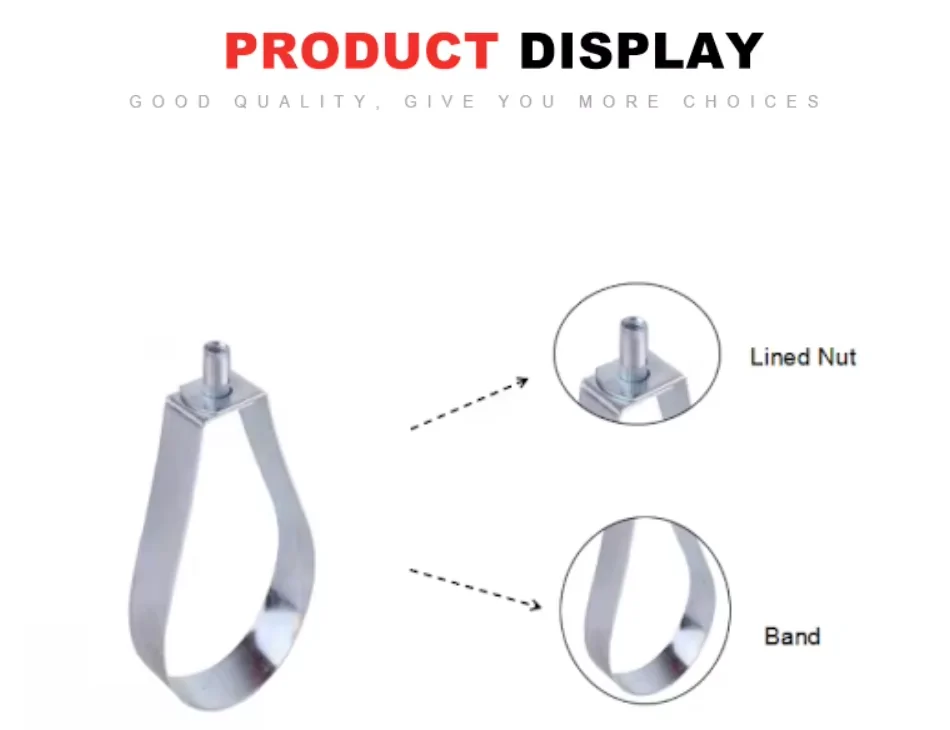
| Pear Type Clamp |
Pear-shaped design for support |
Pipe and tube fixing |
Among these, the pear type clamp stands out for its unique shape and even pressure distribution, making it ideal for holding pipes and circular materials securely.
Common Industrial Clamps
Industrial settings use heavy-duty clamps to handle strong forces and large materials. Common types include:
| Clamp Name |
Function |
Application |
| T-Bar Clamp |
Long reach and firm hold |
Industrial assembly |
| G-Clamp |
Tight holding for precision work |
Metal fabrication |
| Parallel Clamp |
Even pressure on surfaces |
Furniture production |
| Bench Clamp |
Fixed on workbench |
Tool stabilization |
These clamps help workers perform welding, cutting, and assembly tasks with maximum efficiency and accuracy.
Specialized Clamps for Pipe Systems
In piping and plumbing, clamps are essential for securing pipes and preventing vibration or displacement. Pear type clamps are especially useful for this purpose. Their rounded form provides a stable grip while protecting the surface from deformation. They are made from steel, stainless steel, or zinc-plated materials for corrosion resistance.
| Clamp Type |
Structure |
Material |
| Pipe Hanger |
Adjustable bracket |
Carbon or stainless steel |
| Pear Type Clamp |
Pear-shaped loop |
Galvanized or stainless |
| Split Ring Clamp |
Two-part fastener |
Heavy-duty steel |
These clamps keep pipelines stable in both horizontal and vertical installations.
Woodworking and Carpentry Clamps
Clamps are vital in woodworking because they keep materials fixed during gluing, drilling, or cutting. C-clamps, bar clamps, and quick-grip clamps are commonly used. They allow craftsmen to maintain alignment and prevent gaps while adhesives cure. Using the right clamp improves precision and reduces errors in furniture making.
Mechanical and Automotive Clamps
In mechanical and automotive repair, clamps are used to hold parts for welding or assembly. Hose clamps, for example, are essential for securing hoses to fittings, preventing leaks in cooling and fuel systems. Spring clamps and T-bolt clamps withstand high vibration and pressure. These ensure reliability and safety in vehicles and heavy machinery.
How to Choose the Right Clamp
Selecting the correct clamp depends on several factors:
-
Material Type: Metal, wood, or plastic.
-
Pressure Requirement: Light, medium, or heavy-duty.
-
Working Environment: Indoor, outdoor, or corrosive.
-
Size and Shape of the Object: Round or flat surfaces.
Choosing the right clamp improves performance, ensures safety, and extends the lifespan of both the clamp and the material being held.
Maintenance and Safety
Regular maintenance of clamps includes cleaning, checking for corrosion, and applying lubricant to screw mechanisms. Always inspect before use to ensure threads and joints are intact. Avoid over-tightening, as it can deform materials or damage the clamp. For stainless steel and coated clamps, proper storage prevents rust and maintains long-term strength.
Advantages of Using Clamps
Using clamps in industrial or home applications offers several advantages:
-
Improved stability during operations.
-
Reduced risk of slippage or movement.
-
Enhanced accuracy in measurements.
-
Increased efficiency in assembly or repair work.
-
Extended service life of tools and materials.
These benefits make clamps an indispensable part of manufacturing, installation, and maintenance processes.
Applications of Pear Type Clamp
The pear type clamp is widely used in plumbing, industrial piping, and fire protection systems. Its unique shape distributes force evenly, reducing stress on the pipe wall. It supports pipes vertically and horizontally, allowing for safe and efficient installation. This clamp type is also easy to install and provides long-lasting support under pressure and vibration.
Conclusion
Clamps come in many types and serve countless applications. From simple woodworking tools to complex industrial pipe supports, each clamp design meets specific demands for strength, accuracy, and durability. Understanding these differences ensures proper use and better results in any project.