The Basic Function of a Hose Clamp
A hose clamp is used to secure a hose onto a fitting such as a barb or nipple. It ensures a tight seal between the hose and the connector. This simple but essential function prevents leakage of air, water, oil, or gas. Without a hose clamp, fluid pressure could cause the hose to loosen or detach, leading to system failure. Hose clamps are available in various designs to meet specific mechanical and environmental requirements.
Common Types of Hose Clamps
Hose clamps come in several shapes and mechanisms. Each type suits different applications, depending on the material, pressure, and operating conditions. The most common types include:
| Type |
Description |
Typical Application |
| Worm Gear Clamp |
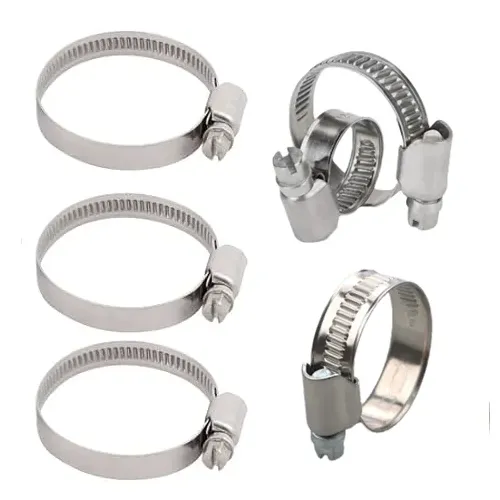
Uses a screw and slotted band |
Automotive and plumbing |
| Spring Clamp |
Uses spring tension to hold hoses |
Cooling systems |
| T-Bolt Clamp |
Heavy-duty with bolt and nut |
Industrial machinery |
| Ear Clamp |
Uses crimped metal for sealing |
Medical and air systems |
Each type provides a specific level of tightening force, ensuring hoses stay firmly connected under pressure.
Materials and Surface Treatments
Hose clamps are usually made from stainless steel, galvanized steel, or plastic. Stainless steel hose clamps offer excellent corrosion resistance and long service life. Galvanized steel provides good strength at a lower cost. Plastic clamps are lightweight and suitable for low-pressure applications.
| Material |
Features |
Advantages |
| Stainless Steel |
Rust-proof, durable |
Ideal for harsh environments |
| Galvanized Steel |
Affordable, strong |
Common in general plumbing |
| Plastic |
Lightweight, flexible |
Suitable for small hoses |
Surface treatments like polishing, zinc plating, or passivation can enhance corrosion protection and improve appearance.
How Hose Clamps Work\uFF1F
A hose clamp works by tightening around a hose\u2019s outer diameter. The tightening action applies uniform pressure, compressing the hose onto the fitting. This creates a sealed connection capable of withstanding fluid pressure and vibration. Most hose clamps use a screw, bolt, or spring to control tension, allowing users to adjust tightness easily.
Applications in Different Industries
Hose clamps are used in numerous fields:
-
Automotive systems: Securing coolant and fuel hoses.
-
Plumbing: Connecting water hoses and drainage pipes.
-
Agriculture: Fixing irrigation tubes.
-
Industrial machinery: Managing pneumatic and hydraulic systems.
-
Marine and aerospace: Holding hoses in vibration-heavy environments.
Their versatility makes them essential wherever flexible tubing is used to transfer fluids or gases.
| Industry |
Function |
Environment |
| Automotive |
Fuel and coolant systems |
High temperature |
| Plumbing |
Water flow control |
Indoor/outdoor |
| Industrial |
Hydraulic connection |
Heavy load |
Installation and Maintenance
Installing a hose clamp is simple but must be done carefully. The clamp should be placed near the end of the hose but not on the edge. Use a screwdriver or wrench to tighten the band evenly. Avoid over-tightening, as this may damage the hose or fitting. During maintenance, check clamps for corrosion or wear and replace them if necessary to maintain a secure seal.
Benefits of Using Hose Clamps
Hose clamps provide several benefits:
-
Prevent leakage and improve sealing performance.
-
Offer quick installation and easy maintenance.
-
Support high-pressure systems safely.
-
Extend the lifespan of hoses and connectors.
-
Work in both low and high-temperature environments.
The combination of durability, flexibility, and cost-effectiveness makes them ideal for professional and domestic applications alike.
Safety and Quality Considerations
To ensure safety, choose the right clamp material and size for the hose diameter. Poor-quality or incorrectly fitted clamps may cause leaks, equipment damage, or safety hazards. High-quality hose clamps undergo strict testing to ensure they meet mechanical strength and corrosion resistance standards. Always inspect before installation and during regular maintenance cycles.
Selecting the Right Hose Clamp
When choosing a hose clamp, consider the following factors:
-
Hose material and size.
-
Working pressure and temperature.
-
Exposure to chemicals or moisture.
-
Required corrosion resistance level.
Selecting the proper clamp ensures reliable sealing and long-term stability in the system.
Conclusion
A hose clamp may appear simple, but its role in maintaining fluid system integrity is critical. It keeps hoses secure, prevents leaks, and ensures smooth performance in many industries. Understanding how hose clamps work and where to apply them can improve system safety and efficiency. High-quality clamps bring long-lasting value to every project. For any technical details or product assistance, look forward to accept your information.