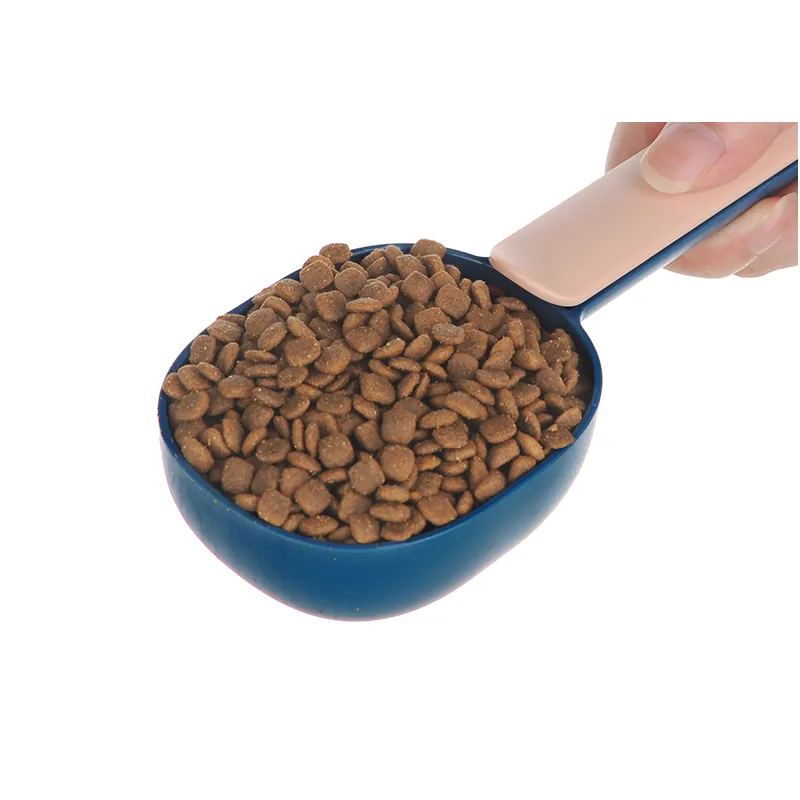

Every pet has different dietary needs. Age, size, and activity level all influence how much food they need daily. Using measuring cups or scoops designed for pet food helps ensure precision. Many modern scoops even include markings for weight and volume, making it easier to match the feeding guide on food packaging. Incorrect measurement can affect your pet’s metabolism, energy, and overall well-being.
Owners often rely on visual judgment or random containers. This method can lead to overfeeding by 20% or more. Another mistake is not accounting for treats or extra snacks throughout the day. Even small portions of extra food add up quickly. The best practice is to use the same Pet Food Scoop each time and clean it regularly to prevent residue buildup.
Choose a scoop that has clear measurement marks.
Fill the scoop without packing the food tightly.
Level off the top to get an accurate portion.
Follow your vet’s feeding guidelines based on weight.
Store your scoop in a clean, dry container to keep it hygienic.
| Step | Action | Result |
|---|---|---|
| 1 | Select proper scoop | Ensures consistent measurement |
| 2 | Fill loosely | Avoids compressed food portions |
| 3 | Level off top | Gives exact feeding quantity |
| 4 | Follow feeding chart | Matches nutrition requirements |
Not all scoops are the same. Some are made from durable plastic, while others feature stainless steel for long use. Digital scoops with built-in scales can measure by weight instead of volume, providing even more precision. A Pet Food Scoop with both ml and cup markings offers flexibility for dry and wet food. Select one based on your feeding routine and food type.
| Type of Scoop | Material | Best For |
|---|---|---|
| Standard scoop | Plastic | Everyday use |
| Digital scoop | Electronic | Measuring by grams |
| Metal scoop | Stainless steel | Long-term durability |
Dry kibble is best measured with a standard scoop, while wet food should be weighed with a kitchen scale. For homemade diets, measure ingredients separately to maintain nutritional balance. Always check calorie density, as foods with higher fat or protein require smaller servings. Keeping a consistent feeding schedule is also essential to prevent digestive upset.
| Food Type | Measuring Tool | Notes |
|---|---|---|
| Dry food | Pet Food Scoop | Measure by volume |
| Wet food | Kitchen scale | Measure by weight |
| Treats | Small scoop or scale | Limit quantity daily |
Your pet’s weight and activity level change with age. Reassess food portions every few months. If your pet gains weight, reduce the portion slightly. If they appear underweight, increase the amount gradually. Always make changes slowly to prevent digestive issues. Keep your vet informed for professional guidance.
Routine feeding builds trust and stability. Use the same scoop, same time, and same location each day. Clean your Pet Food Scoop weekly to maintain hygiene. Avoid guessing or switching containers, as that introduces inconsistency. Pets rely on regular feeding habits for balanced energy levels and healthy digestion.
A reliable scoop saves time and reduces feeding errors. It helps you maintain portion control effortlessly. It is lightweight, easy to clean, and built for long-term use. Whether you feed a dog, cat, or small animal, an accurate scoop supports better health and reduces waste.
Measuring pet food correctly is an easy yet powerful way to care for your furry companion. It supports ideal weight, energy, and digestion. Use a Pet Food Scoop to achieve accuracy and convenience. Feed with love, measure with care, and your pet will stay happy and healthy for years to come. For product details or assistance, welcome to inquiry anytime — we are happy to help you find the best tools for your pet’s feeding needs.