

Defining Luxury in Carpet Design
Luxury in carpets transcends mere floor covering—it represents an art form that blends exquisite materials, meticulous craftsmanship, and cultural heritage. The most Luxury Design Carpet are characterized by their use of premium natural fibers, time-intensive handmade techniques, and designs that often carry historical significance. Unlike mass-produced alternatives, these pieces are investments in art and tradition, offering unparalleled beauty, durability, and value. From ancient Persian masterpieces to contemporary designer collaborations, luxury carpets elevate interiors into immersive experiences, combining tactile comfort with visual grandeur.
Exquisite Materials and Fibers
The foundation of luxury carpets lies in the quality of materials. Natural fibers like wool, silk, and cashmere are prized for their softness, resilience, and sustainability. Wool, particularly from New Zealand or Mongolian sources, offers natural stain resistance and thermal insulation, often lasting decades. Silk adds sheen and intricacy to patterns, while rare materials like camel hair or metallic threads enhance exclusivity. These fibers are often ethically sourced and processed using traditional methods, ensuring both luxury and environmental responsibility. For instance, the "Glory Carpet" from Iran utilizes hand-spun goat wool and mulberry silk, creating a surface that remains vibrant for centuries.
Artisan Craftsmanship and Techniques
Handcrafted techniques define the world’s most luxurious carpets. Hand-knotting, a method perfected over millennia, allows densities exceeding 1,000 knots per square inch for intricate patterns. Persian and Oriental rugs, such as those from Safavid or Kirman traditions, can take years to complete, with artisans passing skills through generations. European traditions like French Savonnerie or Aubusson carpets employ similar meticulous processes, featuring elaborate floral or geometric motifs. Modern luxury brands like Stanton and Couristan blend these artisanal methods with technology, ensuring precision while honoring tradition.
Design and Aesthetic Excellence
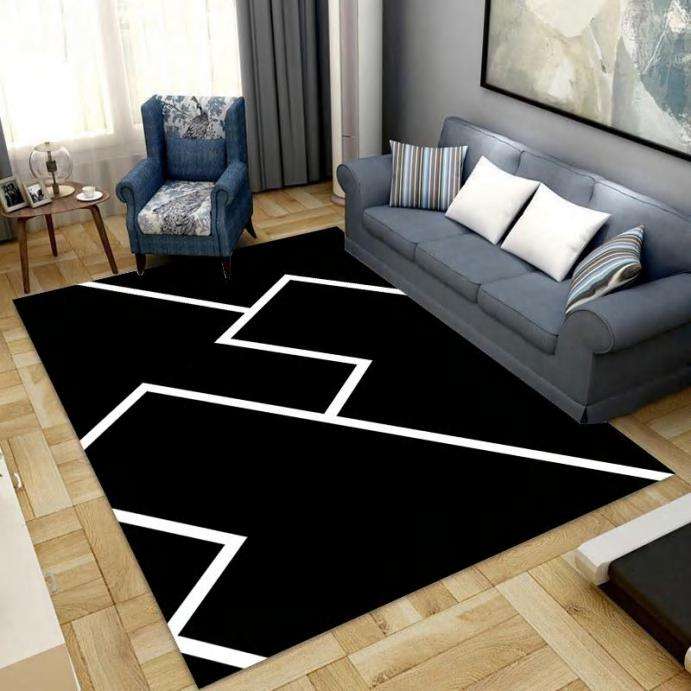
Luxury carpets serve as artistic statements, often featuring bespoke designs inspired by nature, history, or abstract art. Traditional patterns include Persian medallions, Turkish vines, and Mughal floral motifs, each carrying cultural symbolism. Contemporary designs embrace minimalist textures, bold geometrics, or custom patterns tailored to interior themes. Brands like TSAR Carpets experiment with multidimensional textures, using varying pile heights to create tactile depth. Color palettes range from rich, jewel-toned dyes derived from natural sources to subtle neutrals, all engineered for colorfastness and harmony with high-end décor.
Historical and Cultural Significance
Many luxury carpets are valued for their historical narratives. Antique pieces, such as 17th-century Safavid silk rugs or French Louis XV Savonnerie carpets, can fetch millions at auction, reflecting their rarity and artistic heritage. These carpets symbolize status and craftsmanship from eras where weaving was a revered art form. Modern luxury brands draw inspiration from these traditions, ensuring that each carpet not only enhances spaces but also tells a story of cultural continuity. For example, the "Kerman Vase Carpet" sold for $9.6 million, becoming the world’s most expensive carpet due to its historical and artistic significance.
Innovations and Modern Luxury
Contemporary luxury carpets integrate technology with tradition. Digital printing allows for precise, customizable patterns, while advanced materials like stain-resistant wools or recycled synthetics offer practicality without compromising elegance. Brands like FULI Carpet explore modular designs and eco-friendly materials, such as polyolefin "rope" yarns that mimic natural fibers while providing waterproof and UV-resistant properties. These innovations cater to modern lifestyles, offering luxury that is both sustainable and functional.
Investment and Value Preservation
Luxury carpets are long-term investments, often appreciating in value due to their craftsmanship and materials. Antique and handmade pieces require professional cleaning and careful maintenance to preserve their condition. Brands like Stanton and Masland emphasize durability, ensuring their carpets retain beauty and structural integrity over time. Proper care, including regular vacuuming without beater bars and prompt stain treatment, extends their lifespan, making them heirlooms that can be passed through generations.
Conclusion: The Pinnacle of Floor Coverings
The most luxurious carpets represent a synergy of art, history, and craftsmanship. Whether through hand-knotted Persian masterpieces, modern designer collaborations, or innovative sustainable designs, they transform interiors into immersive experiences. For discerning homeowners, these carpets offer unparalleled comfort, aesthetic enhancement, and a timeless connection to global weaving traditions, making them the ultimate expression of luxury in home design.