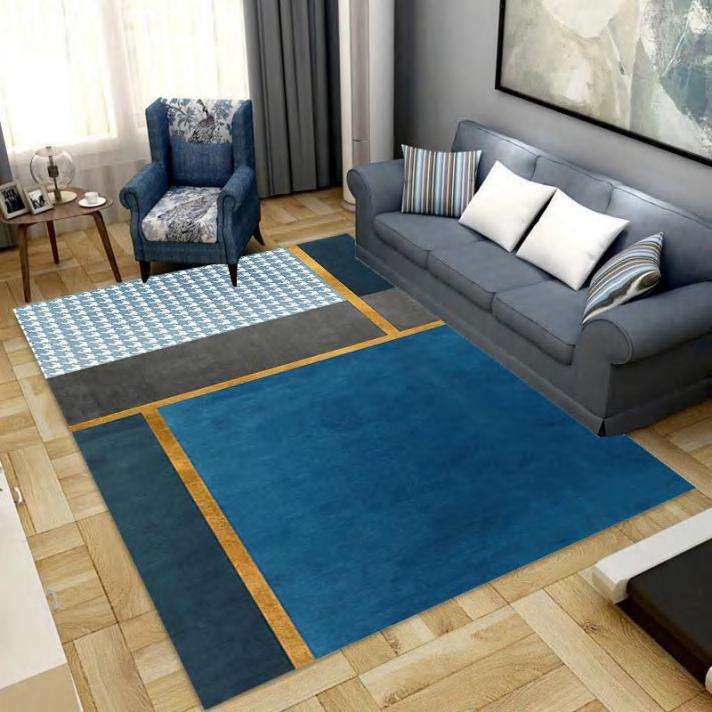

The question of whether you can fold an area rug is more complex than it might initially appear. While Foldable Area Carpet, particularly those made from natural fibers or with thick padding, should generally not be folded due to the risk of permanent damage, modern innovations have introduced a category of specifically designed foldable area carpets. Understanding the difference between these types and knowing the proper techniques can prevent costly mistakes while maximizing convenience in storage and transportation. This comprehensive guide explores the feasibility, methods, and considerations surrounding rug folding, providing essential knowledge for anyone looking to optimize their space or simplify their moving process.
Understanding Rug Construction and Foldability
The ability to fold a rug depends primarily on its construction materials and method. Traditional rugs, especially those made from wool, silk, or other natural fibers, often utilize rigid backing materials and dense weaving patterns that resist bending. Folding these can create permanent creases, break fibers, or damage the structural integrity. Conversely, modern foldable area carpets are engineered with flexible backings and synthetic materials that withstand bending without compromising their appearance or durability. These typically feature specialized latex-free backings and more flexible tufting methods that allow for temporary folding. The pile height also significantly impacts foldability—low-pile rugs generally fold more easily than high-pile or shag varieties, which can experience compression damage along fold lines.
Rug Types That Can Be Folded
Certain rug types lend themselves better to folding than others. Flatweave rugs, such as kilims or dhurries, are traditionally designed to be rolled or folded due to their thin, flexible construction. Many contemporary synthetic rugs, particularly those made from polypropylene or polyester, are manufactured with flexibility in mind. The emerging category of specifically designed foldable area carpets represents the most fold-friendly option, often incorporating innovative materials like memory foam alternatives that return to their original shape after unfolding. Outdoor rugs, typically made from durable, flexible synthetic materials, also usually tolerate folding well. However, even with these more flexible options, certain precautions remain necessary to prevent damage.
Proper Folding Techniques
When folding any rug, proper technique is crucial to minimize potential damage. Begin by thoroughly cleaning the rug to prevent dirt particles from grinding into fibers during the folding process. Lay the rug face-down on a clean, flat surface and gently fold it rather than forcing it against its natural resistance. For larger rugs, the accordion fold method often works best: create parallel folds rather than a single sharp crease, which distributes stress more evenly across the material. Never fold a rug with the pile facing inward, as this can cause crushing and permanent deformation of the fibers. For traditionally non-foldable rugs that must be folded for transportation, placing padding (such as towels or cardboard) inside the folds can help reduce creasing, though this should remain a temporary solution only.
Risks and Potential Damage
Folding unsuitable rugs carries several risks that can diminish their appearance and longevity. The most common issue is permanent creasing, where the rug develops visible lines that refuse to lay flat even after weighting. For tufted rugs, folding can break the threads connecting the pile to the backing, leading to eventual shedding or bare spots. Natural fiber rugs may experience fiber breakage along fold lines, particularly with jute or sisal constructions. Additionally, folding can weaken the rug's backing system, potentially causing delamination or bubbling over time. These damage risks explain why rolling remains the preferred storage and transportation method for most conventional rugs.
The Innovation of Foldable Area Carpets
Recent advancements in rug manufacturing have addressed the folding dilemma through specifically engineered foldable area carpets. These innovative products utilize flexible backing systems that incorporate advanced polymers and textiles designed to withstand repeated folding without damage. The pile fibers are often specially treated for enhanced resilience, and the construction methods prioritize flexibility without sacrificing durability. Some premium versions even feature "memory" characteristics that allow them to return to perfect flatness after being folded for extended periods. This category has proven particularly valuable for urban dwellers, renters, and anyone with seasonal decorating habits who requires practical storage solutions.
Storage and Transportation Considerations
Proper storage practices significantly impact whether a folded rug will maintain its condition. Always store rugs in a clean, dry environment protected from temperature extremes and moisture, which can exacerbate creasing or promote mold growth. Avoid placing heavy items on top of folded rugs, as the additional pressure can deepen creases. For temporary transportation needs, limit folding duration to the absolute necessary period and unfold the rug immediately upon arrival. When purchasing a new rug specifically for foldability, look for manufacturers who explicitly design and warrant their products for this purpose, as they will have tested the materials and construction for folding durability.
When to Avoid Folding
Despite techniques and innovations, some circumstances still call for avoiding folding altogether. Antique or valuable rugs should never be folded, as even minor damage can significantly diminish their value. Rugs with thick padding or foam backing generally shouldn't be folded due to the high likelihood of permanent creasing. Similarly, rugs made from natural materials like wool that haven't been specifically treated for flexibility typically respond poorly to folding. When in doubt, rolling represents the safer alternative—it distributes stress more evenly and avoids sharp bend points. For oversized rugs that must be folded, professional movers often have specialized techniques and equipment to minimize damage, making their services worth considering for valuable pieces.
Understanding the nuances of rug folding empowers homeowners to make informed decisions about their floor coverings. While traditional wisdom often advises against folding, technological advancements have created new possibilities for convenient storage and transportation. By recognizing which rugs can be folded, employing proper techniques, and understanding the risks involved, you can extend the life of your area rugs while enjoying greater flexibility in your home arrangement. Whether opting for specifically designed foldable area carpets or carefully handling conventional rugs, this knowledge ensures your investment remains beautiful and functional for years to come.