

Drywall installation represents one of the most common construction tasks, yet its success hinges on selecting the appropriate fasteners. Ordinary wood or sheet metal screws lack the specific engineering required for proper drywall installation. Drywall screws are precisely engineered specialists designed to securely hold gypsum panels while preventing surface damage and ensuring a flawless finished appearance. Understanding their unique characteristics and proper application will determine both the quality and longevity of your wall or ceiling installation.
When attaching drywall to traditional wooden framing, coarse-thread drywall screws are the definitive choice. These screws feature widely spaced, sharp threads that aggressively bite into wood studs without requiring pre-drilling. The deep threading provides exceptional pull-out resistance, preventing the drywall from sagging or separating from the framing over time. Typically black phosphate-coated, these screws offer mild corrosion resistance while providing excellent driving performance. Their sharp points easily penetrate the drywall paper without excessive force, making them ideal for both professional installers and DIY projects involving wood frame construction.
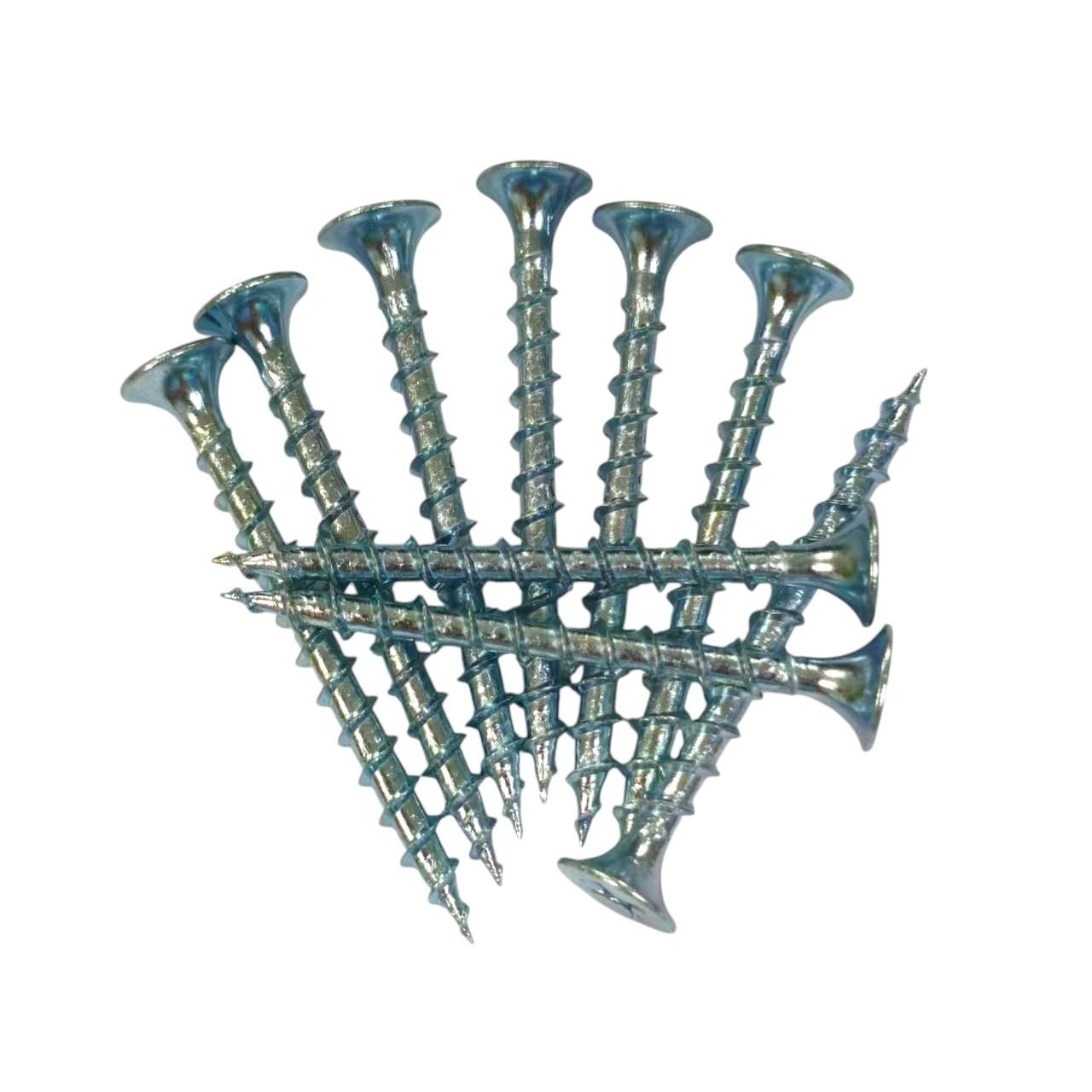
Modern construction increasingly utilizes metal framing, which demands specifically engineered fasteners. Fine-thread drywall screws feature closer, sharper threads designed to tap into metal studs without stripping or slipping. Their self-drilling points eliminate the need for pre-drilling in steel applications, significantly speeding installation while maintaining secure holding power. These screws often feature a phosphated or other corrosion-resistant finish to prevent staining that could telegraph through finished surfaces. The finer thread profile provides superior engagement with metal studs while reducing the risk of over-driving, which can compromise the drywall's integrity.
Beyond thread configuration, drywall screws incorporate several engineered features that distinguish them from conventional fasteners. The bugle head design represents perhaps the most critical innovation, featuring a curved underside that gradually compresses the drywall paper without tearing it. This creates a consistent dimple that perfectly accommodates joint compound without creating visible bumps. Additionally, the black phosphate coating reduces surface reflection during installation while providing minimal corrosion protection. The sharp self-tapping points ensure clean penetration without excessive force, preventing damage to the gypsum core that could compromise holding strength.
Choosing the correct screw length proves crucial for successful drywall installation. Standard ½-inch drywall typically requires 1¼-inch screws for wood studs, while 1-inch screws often suffice for metal framing. The screw must penetrate the stud by at least \u215D-inch without protruding through the opposite side. Proper driving technique involves setting the screw so the head sits just below the surface without breaking the paper facing. Over-driving can crush the gypsum core, while under-driving leaves visible bumps. Screws should be spaced every 12 inches along studs, closer at corners and edges to prevent sagging and ensure a secure installation.
While drywall screws may appear simple, their engineering significantly impacts the finished product. Inferior screws with inconsistent threading or improper heat treatment can break during installation, strip out, or fail to hold properly over time. Quality screws maintain consistent thread depth and sharp points throughout production runs, ensuring reliable performance. The right screw selection prevents common problems like popped screws (where screw heads become visible through finished surfaces), sagging panels, and joint compound cracking. Investing in proper fasteners represents one of the most cost-effective decisions in drywall installation, as replacement and repair costs far exceed the minimal price difference between adequate and superior screws.
Selecting the appropriate drywall screws requires understanding your specific application parameters. For wood stud applications, coarse-thread screws provide optimal holding power. Metal framing demands fine-thread screws designed for steel engagement. Always choose length appropriate to your drywall thickness and framing material, and never substitute other screw types for drywall installation. Quality screws from reputable manufacturers ensure consistent performance and prevent future problems. By matching the right screw to your specific project needs, you ensure a professional-quality installation that will remain stable and crack-free for years to come. Remember that proper screw selection and installation technique form the foundation of every successful drywall project, making this decision one of the most important in the entire process.