Fresh Fruits That Work Best for Snacking
Fresh fruits offer immediate energy and natural taste. They suit people who want simple snacks without processing. Apples, bananas, and berries remain top choices because they balance flavor and structure.
Apples support steady energy release. Their fiber content helps control appetite, and their firm skin protects freshness during transport. Bananas deliver quick energy and soft texture, making them ideal for busy mornings or active moments. Berries provide strong flavor with low calories and work well in small portions.
These fruits succeed as snacks because they require little preparation and adapt easily to daily schedules. Their natural sugars reduce the need for added ingredients while still offering satisfaction.
Vegetables That Fit Everyday Snacking
Vegetables succeed as snacks when they offer crunch, freshness, and low calorie intake. Carrots, cucumbers, and cherry tomatoes meet these needs while remaining easy to handle.
Carrots provide a crisp bite and mild sweetness. They store well and resist damage. Cucumbers deliver hydration and a refreshing taste, especially in warm environments. Cherry tomatoes add variety and visual appeal while remaining bite-sized.
The table below compares common snack vegetables based on texture, storage, and usage:
| Vegetable |
Texture |
Storage Ease |
Common Snack Use |
| Carrot |
Crunchy |
High |
Raw sticks |
| Cucumber |
Fresh, soft |
Medium |
Sliced portions |
| Cherry tomato |
Juicy |
Medium |
Whole bites |
These vegetables work well for offices, schools, and light meals because they stay clean and portion-friendly.
Dried Fruits as Long-Lasting Snack Options
Dried fruits provide convenience and extended shelf life. They concentrate flavor and energy while reducing moisture. Raisins, dried mango, and dried berries remain popular choices.
Raisins deliver compact sweetness and require no refrigeration. Dried mango offers chewy texture and rich flavor, creating a sense of fullness in smaller servings. Dried berries balance tartness and sweetness, making them suitable for mixed snack packs.
Because drying removes water, these fruits store well and travel easily. They suit retail packaging and bulk supply needs while maintaining stable quality.
Preserved Fruit and Modern Snack Demand
Preserved fruit answers the demand for stable and flavorful snacks. Controlled processing helps maintain texture and taste while extending shelf life.
Low-sugar preserved options attract health-conscious consumers. Vacuum-sealed packaging reduces air exposure and protects aroma. These formats work well for both individual use and commercial distribution.
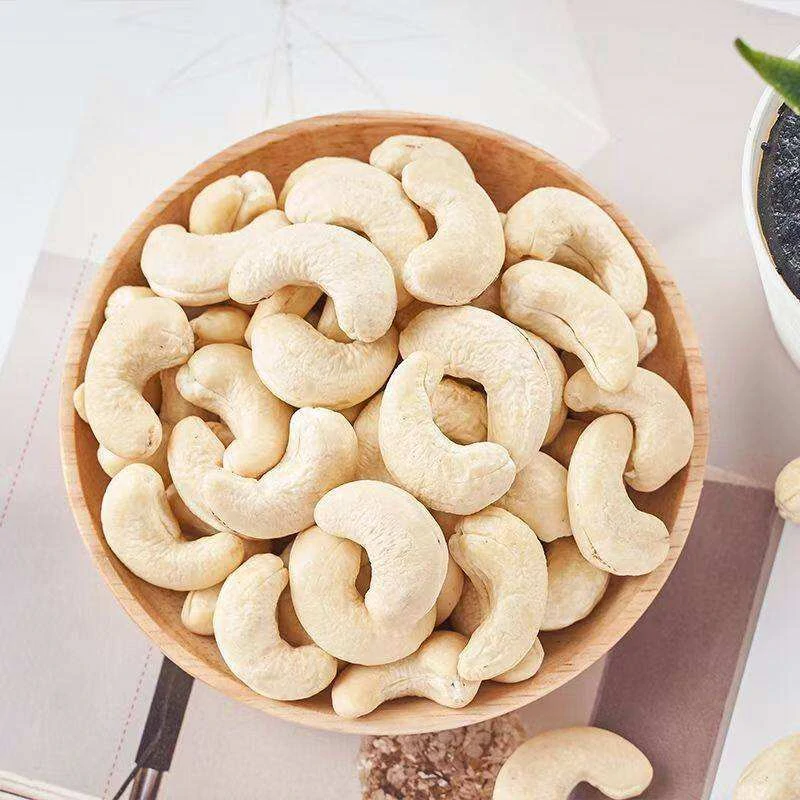
The following table shows typical shelf life differences between fruit snack formats:
| Fruit Type |
Processing Method |
Typical Shelf Life |
| Fresh fruit |
None |
Days to weeks |
| Dried fruit |
Dehydration |
Months |
| Preserved fruit |
Controlled curing |
Several months |
These options allow consumers to choose based on storage needs and usage frequency.
Vegetable-Based Snack Formats
Vegetables adapt well to light processing. Dehydrated vegetable chips and pickled vegetables offer new textures without losing identity.
Dehydrated chips retain natural structure and avoid excess oil. Pickled vegetables introduce savory notes and stimulate appetite. Both formats provide variety beyond raw vegetables while remaining plant-focused.
They suit consumers who prefer savory snacks and controlled portions.
Balanced Fruit and Vegetable Snack Combinations
Balanced snack packs answer the need for variety. Combining fruits and vegetables creates contrast in taste and texture. These combinations improve satisfaction and reduce snack fatigue.
Color-based selection also matters. Bright colors often signal nutrient diversity and improve visual appeal. Mixed packs perform well in retail displays and gift formats.
The table below highlights common mixed snack combinations and their benefits:
| Combination Type |
Main Benefit |
Suitable Scenario |
| Fruit-focused mix |
Natural sweetness |
Quick energy |
| Vegetable-focused mix |
Low calories |
Light snacking |
| Balanced fruit-veg mix |
Taste variety |
Daily consumption |
These mixes support consistent snacking habits without monotony.
Snacking Needs by Lifestyle
Snack needs vary based on environment. Office snacks require clean handling and neutral aroma. Travel snacks need durability and compact size. Children prefer softer textures and mild flavors.
Understanding usage scenarios helps guide product selection. Proper packaging and portion control improve acceptance across different groups.
Processing Standards and Material Support
Snack quality depends on clean production systems. Food-grade processing environments protect ingredients and maintain consistency. Advanced tubing and fluid handling systems support hygienic transfer during fruit and vegetable processing.
High-quality PTFE-based systems often support food applications due to stability and cleanliness. These systems help manufacturers maintain controlled environments and reliable output, which is essential for modern snack production.
Choosing a Reliable Snack Supplier
A reliable supplier ensures consistency and safety. Strong communication supports long-term cooperation and stable supply chains. Clear standards and responsive service reduce operational risk.
If you need sourcing support or product guidance, contact us for detailed assistance.
Conclusion
The best snacks balance taste, storage, and lifestyle needs. Fruits and vegetables provide natural advantages across formats. Fresh, dried, and preserved options each serve different purposes. Well-designed Fruit and vegetable snacks meet modern expectations for convenience and quality. For further information or cooperation opportunities, contact us to learn more.