Preservation Methods and Their Effects
Sugar-Preserved Fruits
Sugar slows microbial growth and preserves taste. Fruits like plums, apricots, and cherries can last several months when properly handled. High sugar content naturally extends shelf life, making these products ideal for home storage or gifting.
| Fruit Type |
Sugar Content |
Typical Shelf Life |
| Plum |
High |
6–12 months |
| Apricot |
Medium |
5–8 months |
| Cherry |
Low |
3–6 months |
Sugar preserves moisture and flavor. Vacuum sealing improves stability further.
Vacuum-Packed Preserved Fruits
Vacuum packing removes air to prevent oxidation and mold growth. Fruits remain fresh longer than open storage.
Advantages:
Vacuum packaging works well for bulk supply and retail distribution.
Freeze-Dried Fruits
Freeze-drying removes nearly all moisture. Fruits can last up to two years if stored correctly. This method preserves nutrients, taste, and shape.
| Fruit Type |
Storage Method |
Shelf Life |
| Apple |
Room temperature |
12–18 months |
| Mango |
Airtight |
10–15 months |
| Strawberry |
Cool dry |
12 months |
Low moisture prevents bacterial growth. Texture may be lighter or crunchy compared to fresh fruit.
Storage Conditions and Temperature
Room Temperature Storage
Store preserved fruit in a cool, dry place away from sunlight. Most sugar-preserved fruits last 6–12 months at room temperature. Check packaging for manufacturer guidance.
Refrigerated Storage
Refrigeration slows spoilage. Opened packages benefit from cold storage.
Benefits:
Refrigerated storage is ideal for semi-moist preserved fruit.
Freezing Preserved Fruits
Freezing maximizes shelf life. Properly sealed fruit can last 18–24 months. Freeze-dried or vacuum-packed fruit benefits most from freezing.
| Storage Type |
Ideal Temperature |
Max Shelf Life |
| Room temp |
20–25°C |
6–12 months |
| Refrigerated |
4–8°C |
12–18 months |
| Frozen |
-18°C |
18–24 months |
Correct storage preserves flavor, texture, and nutrition.
Signs of Spoilage
Visual Indicators
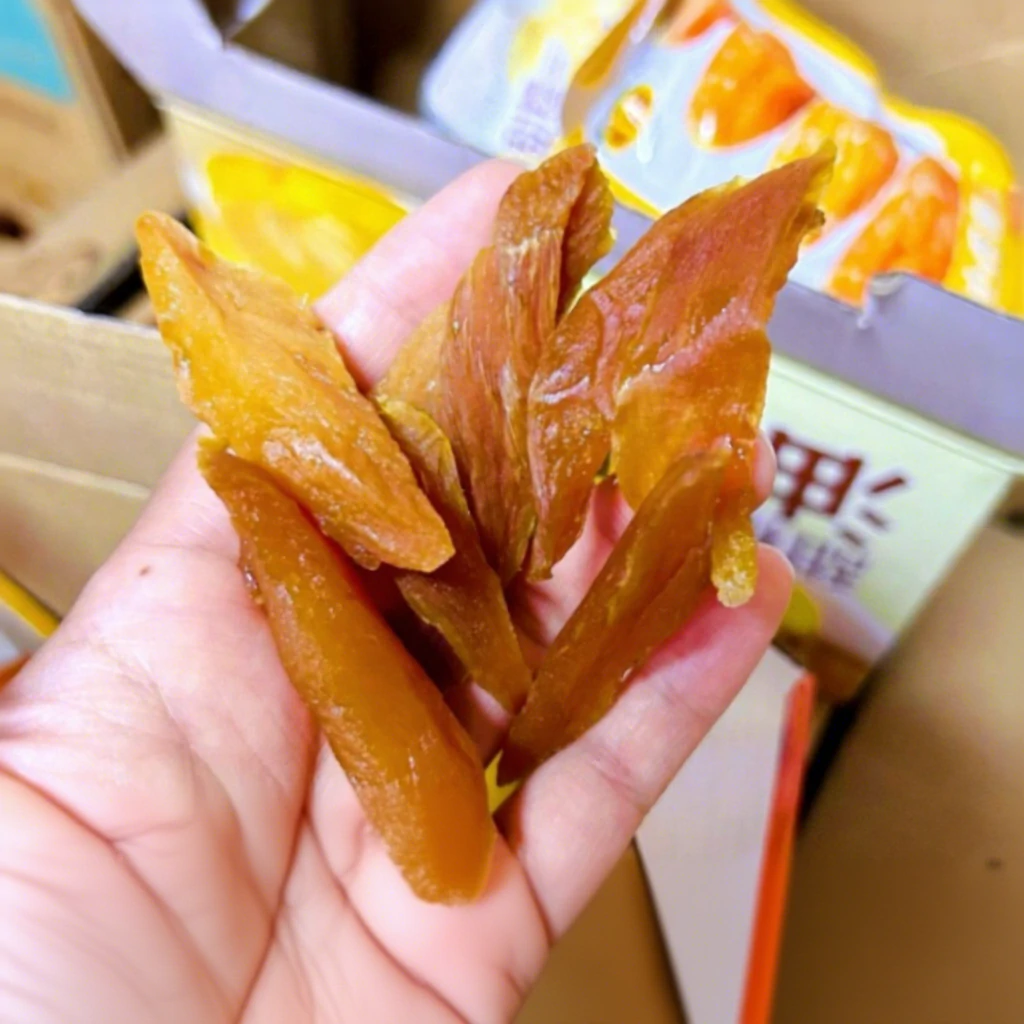
Mold, discoloration, or crystallized sugar can signal spoilage. Dryness or excessive stickiness may indicate quality loss.
Taste and Smell Changes
A sour or off smell is a key warning. Taste should remain naturally sweet. Avoid eating fruit if it tastes strange.
Packaging Integrity
Swollen or damaged packaging shortens shelf life. Always inspect the container before consumption.
Packaging Types and Benefits
Glass Jars
Glass jars provide airtight protection. They prevent moisture and odor contamination. Glass jars are reusable and ideal for retail packaging.
Plastic Containers
Plastic containers are lightweight and easy to handle. Use BPA-free plastics to avoid contamination. They are suitable for office snacks or short-term storage.
Vacuum Bags
Vacuum-sealed bags reduce oxygen exposure. They are perfect for bulk preserved fruit.
| Packaging Type |
Benefits |
Ideal Use |
| Glass jar |
Airtight, reusable |
Home storage |
| Plastic box |
Lightweight, cheap |
Office snack |
| Vacuum bag |
Long shelf life |
Wholesale & export |
Proper packaging maximizes product lifespan.
Factors Affecting Shelf Life
Fruit Type
Different fruits have varying water content and sugar levels. Plums and mangoes usually last longer than berries.
Processing Method
Sugar soaking, drying, and vacuum packing all influence durability. Freeze-dried fruit lasts the longest.
Storage Environment
Humidity, sunlight, and temperature fluctuations shorten shelf life. Consistent storage preserves freshness.
Advantages of Controlling Factors
Best Practices for Maintaining Freshness
-
Keep preserved fruit sealed when not in use.
-
Store away from heat and sunlight.
-
Consume within recommended time after opening.
-
Avoid repeated exposure to air or moisture.
Benefits of Proper Care
Using Preserved Fruit in Daily Life
As Snacks
Preserved fruit provides a convenient and healthy snack. Its sweetness satisfies cravings without extra preparation.
For Cooking and Baking
Add preserved fruit to cereals, desserts, or pastries. They maintain shape and flavor during cooking.
Bulk Supply for Businesses
Preserved fruit works for retail, cafes, and catering. Vacuum-packed or jarred products are ideal for resale.
| Usage |
Example |
Benefit |
| Snacking |
Individual packs |
Convenient & ready-to-eat |
| Baking |
Fruit tarts |
Retains flavor & texture |
| Wholesale |
Retail & cafe |
Easy storage & sale |
Conclusion
The shelf life of preserved fruit depends on fruit type, processing, packaging, and storage conditions. Proper care ensures months of safe and delicious consumption. By understanding preservation techniques and following best practices, you can enjoy fresh taste, maintain nutrition, and reduce waste. For more guidance, bulk orders, or detailed inquiries, Welcome to inquiry to explore options and solutions tailored to your needs.