

Carpet padding absorbs liquids and provides cushioning. Urine seeps deep into padding, making it hard to clean. Synthetic and foam paddings react differently to cleaning agents. Identifying your carpet type helps select proper treatment.
Blot up excess urine with paper towels immediately. Avoid rubbing, which spreads the stain. Use a pet-safe enzyme cleaner to target bacteria. Table 1 lists common cleaning tools and their uses.
| Tool | Purpose | Notes |
|---|---|---|
| Paper towels | Blot fresh urine | Use multiple layers |
| Enzyme cleaner | Break down urine proteins | Follow instructions |
| Spray bottle | Evenly apply solution | Light misting works best |
| Gloves | Protect hands | Wear at all times |
Lift the carpet carefully to access padding. Saturate the area with water and enzyme cleaner. Let it sit for 10-15 minutes for deep penetration. Blot thoroughly to remove moisture. Repeat the process if necessary.
Baking soda neutralizes odors effectively. White vinegar helps disinfect and remove stains. Mix vinegar with water and lightly spray over the padding. Sprinkle baking soda afterward to absorb moisture and smell.
Air circulation is key to drying. Use fans or open windows to speed up the process. Avoid walking on the wet area until fully dry. Wet padding can promote mold growth if not treated properly.
Steam cleaning removes trapped bacteria and odors. Heat and moisture penetrate padding layers. Avoid over-saturating, which may damage carpet. Table 2 shows recommended steam cleaner settings for different carpet types.
| Carpet Type | Temperature | Duration | Notes |
|---|---|---|---|
| Synthetic | Medium | 5-10 min | Check padding first |
| Wool | Low | 3-5 min | Avoid high heat |
| Foam-backed | Low-Medium | 7-10 min | Use minimal water |
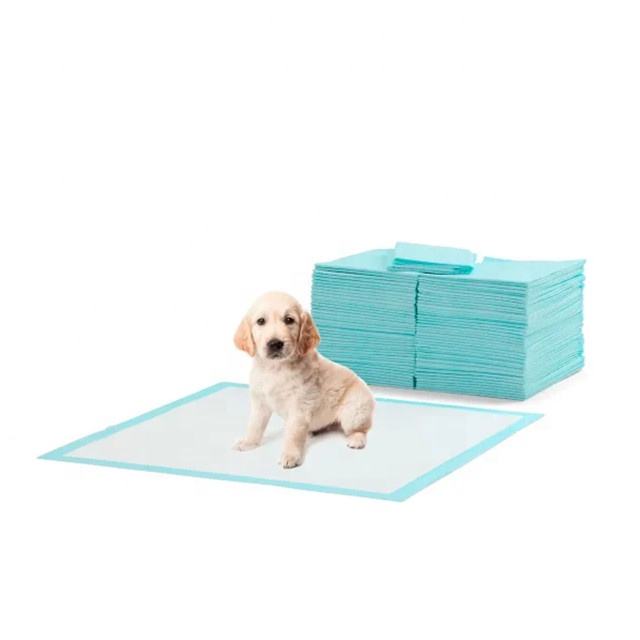
Use pet pads strategically to catch accidents. Train pets to use pads consistently. Regular bathroom breaks reduce indoor urination. Consider protective rugs or removable carpet covers.
After cleaning, deodorize to remove lingering smell. Commercial pet-safe sprays or homemade solutions work well. Sprinkle baking soda overnight and vacuum thoroughly. Table 3 lists common deodorizing methods.
| Method | Materials Needed | Effectiveness |
|---|---|---|
| Baking soda | 1 cup per affected area | High |
| Enzyme spray | Pet-safe enzyme solution | Very High |
| Vinegar solution | 1:1 water and vinegar | Moderate |
| Carpet deodorizer | Store-bought powder | High |
Check padding regularly for hidden moisture. Vacuum carpets to remove residual cleaning agents. Reapply enzyme cleaner if odors persist. Replace padding if damage is permanent.
Pet pads help protect carpets during training or illness. Place pads in high-traffic areas. Replace used pads frequently. Welcome to contact us for advice on choosing the right pet pad.
Some urine stains may penetrate deeply. Consider partial padding replacement for severe cases. Professional carpet cleaning can restore appearance. Always test cleaning solutions on a small patch first.
Regular cleaning and maintenance prevent odor buildup. Wash nearby rugs and fabrics. Use air purifiers to reduce lingering smells. Combine pet training and proper cleaning routines.
If stains and odors persist, contact a professional cleaning service. They have specialized equipment for deep padding and carpet restoration. Welcome to contact us for guidance on professional solutions.
Removing pet urine from carpet padding requires patience and proper methods. Immediate action, enzyme cleaners, and drying techniques ensure effectiveness. Combining prevention, pet pads, and routine maintenance keeps your home clean. Training pets and using protective products prolong carpet life and comfort.