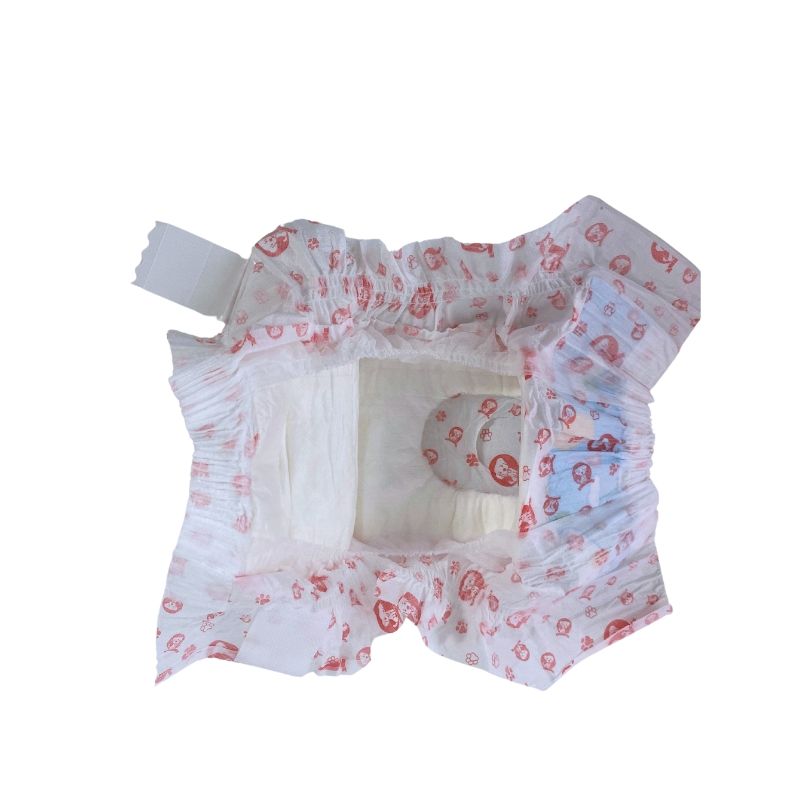

Dog diapers help control urinary incontinence. They reduce mess during travel or at home. Diapers also assist in house training puppies. They allow owners to maintain cleanliness without stress. Using a dog diaper improves the dog’s quality of life.
Measure your dog’s waist and weight before purchasing a diaper. Consider absorbency, comfort, and style. Options include disposable, reusable, and washable types. Table 1 provides size recommendations for common dog breeds.
| Dog Breed | Weight Range | Diaper Size |
|---|---|---|
| Chihuahua | 2-6 lbs | XS |
| Pomeranian | 3-7 lbs | XS |
| Beagle | 20-30 lbs | M |
| Bulldog | 40-50 lbs | L |
| Labrador | 55-80 lbs | XL |
Introduce the diaper gradually to your dog. Let your pet sniff and explore it. Calm your dog with gentle petting before diapering. Place your dog on a non-slip surface to ensure safety. Positive reinforcement with treats helps acceptance.
Lay the diaper flat on the floor. Place your dog’s tail through the designated hole. Wrap the diaper around the waist and secure it using Velcro or adhesive straps. Adjust snugly but not too tight. Check for proper alignment to prevent leaks.
Ensure the diaper is soft and breathable to avoid chafing. Change the diaper regularly to prevent rashes. Avoid leaving a wet diaper on for too long. Table 2 shows recommended change intervals based on dog size.
| Dog Size | Duration Before Change | Notes |
|---|---|---|
| Small | 3-4 hours | Monitor frequently |
| Medium | 4-6 hours | Adjust fit if needed |
| Large | 6-8 hours | Ensure tail hole fits |
Start with short diaper-wearing sessions. Use treats and verbal praise. Gradually increase duration over time. Make diapering a positive experience. Consistent training reduces stress and improves compliance.
Dog diapers vary in design. Disposable diapers are convenient and highly absorbent. Reusable cloth diapers are eco-friendly and washable. Some diapers include odor control and leak-proof layers. Selecting the right type depends on lifestyle and dog needs.
Leaks, slipping, and skin irritation are common issues. A wrong size may cause leaks. Loose diapers may slip off during activity. Regularly check straps and adjust if necessary. Table 3 lists common problems and their fixes.
| Issue | Cause | Solution |
|---|---|---|
| Leaks | Incorrect size | Adjust size or choose higher absorbency |
| Skin irritation | Prolonged wet diaper | Change frequently, use soft materials |
| Slipping | Loose fit | Tighten straps or use a snug fit |
| Chewing | Dog discomfort | Distract with toys, check fit |
Female dogs in heat may require specialized diapers. Heat-specific diapers prevent staining and odor. They are designed with extra absorbent layers. These diapers make hygiene management easier.
Puppies learning potty training benefit from diapers. Diapers protect floors while teaching consistency. Use positive reinforcement when they go outside. Gradually reduce diaper use as house training progresses.
Traveling with dogs requires preparation. Pack extra diapers for long trips. Ensure easy access to disposal bags. Keep your pet comfortable and clean during car rides or flights.
Soft, breathable, and highly absorbent materials are ideal. Cotton blends prevent skin irritation. Eco-friendly materials reduce waste. Consider odor control features for added comfort.
If you need guidance on selecting the right dog diaper, welcome to contact us. Our team can advise on size, absorbency, and materials. We help ensure your dog stays clean, comfortable, and healthy.
Dog diapers provide practical solutions for pets with special needs. Proper selection, correct application, and regular monitoring ensure success. They help maintain hygiene, prevent messes, and protect furniture. With patience and training, dogs can wear diapers comfortably. Dog owners can enjoy a cleaner, stress-free home while keeping their pets happy.