Introduction to Exhaust Mufflers
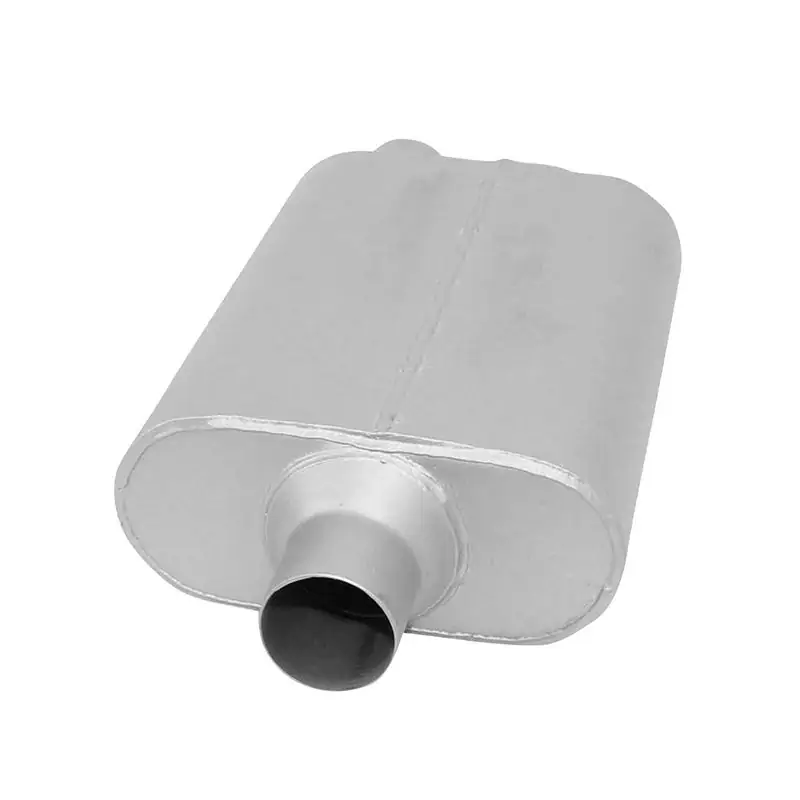
An exhaust muffler is a key component of a vehicle’s exhaust system. Most people associate it with reducing engine noise, but it has several other functions that contribute to the vehicle's overall efficiency.
At its core, the exhaust muffler helps to reduce the sound produced by the engine’s exhaust gases as they exit the vehicle. However, it also plays a role in improving engine performance and reducing harmful emissions.
The primary purpose of an exhaust muffler is to reduce noise. The engine produces sound when fuel is burned, and that sound is amplified as exhaust gases travel through the system. Without a muffler, the sound would be far too loud for drivers and the surrounding environment. However, there’s more to it than just noise reduction.
1. Noise Reduction
The exhaust system produces sound waves that are created by the engine’s combustion process. These sound waves travel through the exhaust pipes and eventually reach the muffler. Inside the muffler, sound waves are disrupted, absorbed, or redirected through a series of chambers and tubes. This process reduces the noise levels produced by the engine.
2. Pressure Regulation
While mufflers are designed for noise reduction, they also help maintain the correct pressure within the exhaust system. This is vital for engine performance. Without a muffler, the pressure from the exhaust gases could damage the engine or cause inefficient combustion.
| Exhaust Muffler Functions |
Purpose |
Impact on Performance |
| Noise Reduction |
Decrease engine noise |
Provides a quieter driving experience |
| Pressure Regulation |
Maintain exhaust flow |
Prevents engine damage and inefficient combustion |
| Harmful Emissions Reduction |
Control pollutant levels |
Meets environmental standards |
How an Exhaust Muffler Works?
Understanding the design and internal components of an exhaust muffler helps explain how it achieves these functions. A typical muffler consists of a series of chambers, perforated tubes, and sometimes a catalytic converter. Let’s take a closer look at the main mechanisms inside the muffler that contribute to its sound-dampening properties.
1. Sound Dampening Chambers
Most mufflers feature one or more chambers that are specifically designed to trap sound waves. These chambers are lined with materials like fiberglass or steel wool, which help absorb the sound and reduce noise. As the exhaust gases pass through these chambers, sound waves bounce off the walls and lose energy, thereby reducing their volume.
2. Perforated Tubes
Inside the muffler, there are perforated tubes that allow exhaust gases to travel through them. These tubes are strategically placed to redirect and reduce sound by dispersing the gas flow. This redirecting process breaks up the sound waves, preventing them from leaving the exhaust system with high intensity.
3. Catalytic Converter
In some mufflers, especially in modern vehicles, a catalytic converter is integrated into the muffler itself. This component helps reduce harmful emissions by converting toxic gases like carbon monoxide into less harmful substances such as carbon dioxide and water vapor.
Types of Mufflers and Their Applications
Exhaust mufflers come in different designs, each offering specific benefits depending on the type of vehicle or desired performance. Whether you drive a high-performance sports car or a regular commuter vehicle, understanding these types can help you choose the best option for your needs.
1. Chambered Mufflers
Chambered mufflers use internal chambers to disrupt sound waves and reduce noise. These mufflers are designed to give vehicles a distinctive sound. They are common in muscle cars and performance vehicles where engine noise reduction isn’t the top priority, but sound quality and performance are important.
2. Turbo Mufflers
Turbo mufflers are designed for vehicles with turbocharged engines. They use a combination of sound-dampening chambers and perforated tubes to reduce noise while maintaining exhaust flow. This type of muffler helps ensure that the turbocharger operates efficiently by minimizing backpressure.
3. Glasspack Mufflers
Glasspack mufflers use a fiberglass packing to absorb sound. These mufflers produce a louder, more aggressive sound than chambered or turbo mufflers and are often used in hot rods or modified cars. Glasspack mufflers tend to reduce noise less effectively than other types, but they can enhance engine performance by reducing backpressure.
| Types of Mufflers |
Design Features |
Best Use |
| Chambered Mufflers |
Internal chambers for sound reduction |
Muscle and performance cars |
| Turbo Mufflers |
Combines chambers and perforated tubes |
Turbocharged vehicles |
| Glasspack Mufflers |
Fiberglass for sound dampening |
Hot rods and modified cars |
Benefits of a Well-Functioning Exhaust Muffler
A well-maintained exhaust muffler doesn’t just keep the noise down—it plays a vital role in your vehicle’s performance, fuel efficiency, and emissions control. Let’s explore the key benefits of having an effective muffler in your vehicle.
1. Improved Engine Performance
By helping regulate exhaust pressure and allowing for smooth exhaust gas flow, mufflers contribute to the overall performance of your vehicle’s engine. Excessive backpressure caused by a faulty muffler can reduce horsepower and torque, leading to a sluggish engine. A properly functioning muffler ensures the exhaust gases exit efficiently, allowing the engine to perform at its best.
2. Fuel Efficiency
A muffler that ensures the smooth flow of exhaust gases contributes to fuel efficiency. When exhaust gases are restricted or flow inefficiently, the engine may struggle to expel them, leading to higher fuel consumption. A functional muffler keeps the engine’s exhaust system working properly, allowing it to burn fuel more efficiently.
| Benefits of Exhaust Mufflers |
Impact on Vehicle |
Outcome |
| Improved Engine Performance |
Reduces backpressure |
Enhances power and torque |
| Better Fuel Efficiency |
Smooth exhaust gas flow |
Saves fuel and reduces consumption |
| Emission Control |
Helps convert harmful gases |
Meets environmental standards |
3. Environmental Protection
Mufflers are also an essential component in controlling the emissions your vehicle produces. In addition to reducing noise, modern mufflers (with integrated catalytic converters) help limit the number of harmful gases that exit your vehicle. This not only helps your car meet emission regulations but also contributes to cleaner air quality in your community.
Signs Your Exhaust Muffler Needs Repair
Mufflers are generally durable, but over time, they can wear out or get damaged. If your muffler is malfunctioning, you may experience several signs indicating the need for repair or replacement.
1. Loud or Unusual Noises
If your muffler is damaged, it may start producing loud or unusual noises. These noises may include a deep rumble, rattling, or hissing, which can indicate an internal issue with the muffler. A well-maintained muffler should only produce minimal noise.
2. Decreased Fuel Efficiency
As mentioned earlier, a malfunctioning muffler can increase backpressure, leading to reduced fuel efficiency. If you notice your vehicle consuming more fuel than usual, it may be time to have your exhaust system inspected.
3. Visible Damage or Rust
Exhaust mufflers are exposed to heat, moisture, and debris, which can lead to rust and corrosion. If you notice visible holes, cracks, or rust spots on your muffler, it may need to be replaced.
Conclusion: The Importance of a Functional Exhaust Muffler
An exhaust muffler is more than just a noise-reducing component in your vehicle’s exhaust system. It plays a critical role in maintaining engine performance, improving fuel efficiency, and reducing harmful emissions. Regular maintenance and timely repairs can help ensure that your exhaust muffler works effectively for years to come. By understanding how mufflers function, you can better appreciate the role they play in your vehicle’s overall operation and your driving experience.