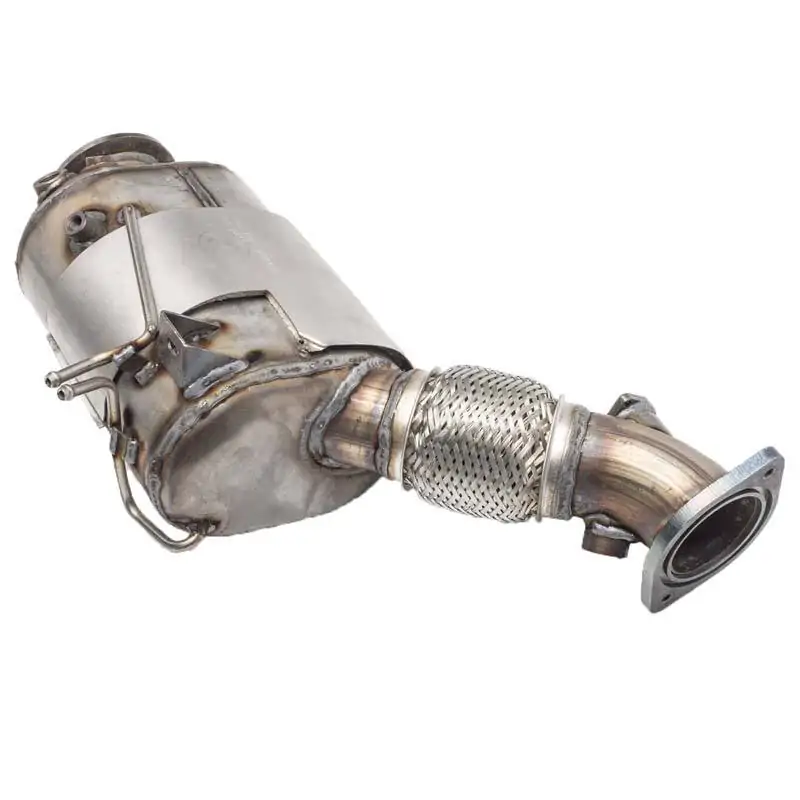
A Diesel Particulate Filter is a crucial component in modern diesel engines. Its primary function is to capture and store exhaust soot particles that result from diesel combustion. Over time, the filter gets clogged with soot and needs to be cleaned. If left unchecked, a bad DPF can lead to a host of engine and emission issues.
Key Functionality:
-
Traps soot and particulate matter.
-
Reduces harmful emissions, improving air quality.
-
Helps vehicles meet environmental regulations.
Symptoms of a Faulty Diesel Particulate Filter
When a Diesel Particulate Filter malfunctions, the effects are often visible through various warning signs. Recognizing these symptoms early can help prevent further damage and costly repairs.
1. Dashboard Warning Lights
One of the most common signs of a bad DPF is a dashboard warning light. A vehicle’s Engine Control Unit (ECU) is constantly monitoring the DPF’s condition. If it detects an issue such as clogging or restricted airflow, it will trigger the "DPF Warning" light. Ignoring this light can lead to more severe engine performance issues.
| Signs of DPF Issues |
Potential Causes |
Consequences |
| Warning Light On |
Clogged Filter |
Reduced engine power, higher emissions |
| Poor Engine Performance |
Faulty Sensors |
Increased fuel consumption, engine strain |
| Increased Fuel Consumption |
Short Trips, Low-Quality Fuel |
Higher operating costs, engine damage |
| Unusual Noises/Smells |
Excessive Soot |
Strain on engine, risk of further damage |
2. Reduced Engine Performance
A blocked DPF can restrict airflow, causing your engine to lose power. If your car starts feeling sluggish, especially when accelerating or climbing hills, the DPF may be to blame. Reduced performance is a major indicator that the filter has become inefficient or obstructed.
3. Increased Fuel Consumption
When the DPF is clogged, your engine will need to work harder to maintain the same power output. This can lead to higher fuel consumption as the engine compensates for the inefficiency.
4. Unusual Noises or Smells
A failing DPF might cause unusual noises such as knocking sounds, or even strange smells coming from the exhaust. This occurs as the soot accumulation disrupts normal exhaust flow.
Why a Diesel Particulate Filter Fails?
Understanding the root causes of DPF failure is key to preventing it. Several factors can contribute to the degradation of your DPF, and in some cases, the damage is unavoidable.
1. Soot Accumulation
Over time, soot builds up in the filter. While DPFs are designed to clean themselves through a process called "regeneration," they can only handle so much soot before becoming clogged. Inadequate regeneration cycles or frequent short trips (that don’t allow the DPF to reach the required temperature for self-cleaning) can lead to soot buildup.
2. Low-Quality Diesel Fuel
Using low-quality or contaminated diesel fuel can cause incomplete combustion. This, in turn, increases the amount of soot and particulate matter that gets trapped in the filter.
3. Frequent Short Trips
Frequent short trips prevent the vehicle from reaching the high temperatures needed to burn off accumulated soot during the regeneration process. Over time, this results in a clogged DPF.
4. Faulty Sensors or Regeneration Problems
If the sensors that monitor the DPF are malfunctioning, the regeneration process may fail to start. This results in excessive soot buildup and eventual failure of the filter. A faulty ECU or improper vehicle tuning can also disrupt the process.
The Impact of a Bad Diesel Particulate Filter on Your Vehicle
A malfunctioning DPF doesn’t just lead to poor performance; it can also cause lasting damage to your engine and exhaust system. Let’s explore the impact of a bad DPF on your vehicle:
| DPF Maintenance Schedule |
Action |
Recommended Frequency |
| Check Warning Lights |
Inspect Filter |
Every 10,000 miles |
| Drive at Highway Speeds |
Allow Regeneration |
Weekly or Bi-weekly |
| DPF Cleaning |
Professional Service |
Every 100,000 miles |
| Fuel Quality Check |
Use High-Quality Fuel |
Ongoing |
1. Engine Damage
If the DPF is blocked, it can create a backpressure in the exhaust system, which strains the engine. Over time, this can cause engine parts such as the turbocharger, exhaust valves, and cylinders to wear out more quickly.
2. Increased Emissions
Without a functional DPF, your vehicle will produce higher levels of harmful emissions. This is not only bad for the environment, but it could also lead to your car failing an emissions test.
3. Expensive Repairs
Fixing or replacing a bad DPF can be costly, especially if it has caused other components in the exhaust system to fail. Regular maintenance, including checking for warning signs early, can prevent expensive repairs down the line.
How to Avoid Diesel Particulate Filter Failure?
Prevention is always better than cure. To avoid DPF issues, there are several proactive steps you can take:
1. Regularly Drive at Highway Speeds
To allow the DPF to regenerate properly, make sure to drive at highway speeds regularly. This ensures that the DPF reaches the necessary temperatures for soot burning.
2. Avoid Short Trips
Short trips that don’t allow your engine to reach its optimal temperature are a major contributor to DPF failure. Try to avoid these types of driving patterns as much as possible.
3. Use High-Quality Diesel Fuel
Always use high-quality, clean diesel fuel. Low-quality fuel is more likely to produce incomplete combustion and leave excess soot in the filter.
4. Regular DPF Cleaning and Maintenance
Having your DPF professionally cleaned every 100,000 miles can extend its life. During cleaning, the accumulated soot and particulates are removed, preventing clogs and allowing the filter to function properly.
How to Fix a Bad Diesel Particulate Filter?
If you already have a faulty DPF, there are several ways to fix it. Depending on the severity of the issue, you may need to perform a simple cleaning, or you might need to replace the entire filter.
1. Regeneration
Some vehicles allow for manual regeneration, where the DPF is cleaned by increasing the temperature in the exhaust system. This can sometimes be performed by a mechanic, or through your vehicle’s onboard diagnostic system.
2. DPF Cleaning
If regeneration doesn’t work, the next step is professional cleaning. Cleaning involves using specialized machines or chemicals to break down the soot and contaminants inside the DPF. This process can extend the filter’s lifespan.
3. Replacement
In severe cases, the DPF may need to be replaced entirely. This is the most expensive option and should be considered a last resort. Regular maintenance can help avoid the need for a full replacement.
| Cost Comparison |
Regeneration |
Cleaning |
Replacement |
| Cost |
Low |
Moderate |
High |
| Time |
Quick |
Few Hours |
Several Days |
| Effectiveness |
Temporary |
Long-Term |
Permanent |
Conclusion: Keeping Your Diesel Particulate Filter in Good Shape
A properly functioning Diesel Particulate Filter is crucial for vehicle performance, emissions control, and the longevity of your engine. By paying attention to the warning signs, maintaining your DPF through regular driving habits and servicing, and addressing problems early, you can prevent the common issues associated with a bad DPF. If you encounter persistent problems, it’s essential to consult a professional mechanic who can help you keep your vehicle running smoothly and efficiently.
By staying proactive and informed, you can protect both your vehicle and the environment, saving yourself from costly repairs and reducing your carbon footprint.