

Dental lab products support fabrication and restoration processes. They help technicians convert designs into crowns, bridges, dentures, and orthodontic appliances. Each product serves a defined function, and together they form a stable production system. High-quality lab products reduce remakes, control costs, and maintain consistent output.
Reliable lab products ensure predictable results. They also support daily efficiency and quality control.
Key advantages include:
Improved restoration accuracy
Reduced material waste
Stable and repeatable production
Impression and model materials form the foundation of dental lab work. These materials capture oral structures and allow technicians to create precise working models. Accuracy at this stage determines the success of every following step.
Dental labs commonly use several impression materials depending on case requirements. Each material offers unique handling properties and accuracy levels.
| Material Type | Typical Application | Main Advantage |
|---|---|---|
| Alginate | Study models | Simple and cost-effective |
| Silicone | Final restorations | High dimensional stability |
| Polyether | Complex impressions | Excellent detail capture |
Selecting the correct impression material ensures reliable model replication and better restoration fit.
Dental model systems replicate patient anatomy and support detailed restorative work. Technicians use them to verify margins, contacts, and occlusion. Stable models help maintain precision during fabrication and adjustment.
Model systems support trimming, articulation, and quality inspection. They allow technicians to detect errors early and correct them before final delivery.
Benefits include:
Accurate occlusal analysis
Secure positioning during processing
Long-term dimensional stability
Wax products help technicians create initial restoration shapes. These patterns guide casting, pressing, or digital scanning processes. High-quality wax burns cleanly and maintains shape during handling.
Different wax types serve specific tasks, as shown below.
| Wax Type | Primary Use | Key Benefit |
|---|---|---|
| Inlay wax | Crown patterns | Clean burnout |
| Baseplate wax | Denture setup | Easy contouring |
| Utility wax | Blocking and spacing | Flexible handling |
Proper wax selection improves surface quality and reduces casting defects.
Casting products allow technicians to produce metal frameworks with accuracy. Investment materials create heat-resistant molds that define final restoration shape. Controlled expansion and thermal stability are essential in this stage.
Stable investment materials ensure proper fit and smooth surfaces. They also reduce internal stress and finishing time.
Main advantages include:
Precise margins
Consistent casting results
Reduced adjustment needs
Ceramic materials provide both strength and aesthetics. Dental labs use them to fabricate restorations that closely mimic natural teeth. These materials resist staining and maintain color stability over time.
Common ceramic materials differ in strength and application.
| Ceramic Category | Common Use | Performance Feature |
|---|---|---|
| Feldspathic | Veneers | Superior esthetics |
| Lithium-based | Single crowns | Balanced strength |
| Zirconia-based | Bridges | High fracture resistance |
Ceramic materials improve visual outcomes and patient satisfaction.
Zirconia products support modern digital workflows. Labs use zirconia blocks, discs, and coloring liquids to fabricate durable restorations. Proper processing ensures structural integrity and shade accuracy.
Zirconia systems support consistent results and high load resistance.
Key benefits include:
Strong mechanical performance
Digital compatibility
Reliable shade control
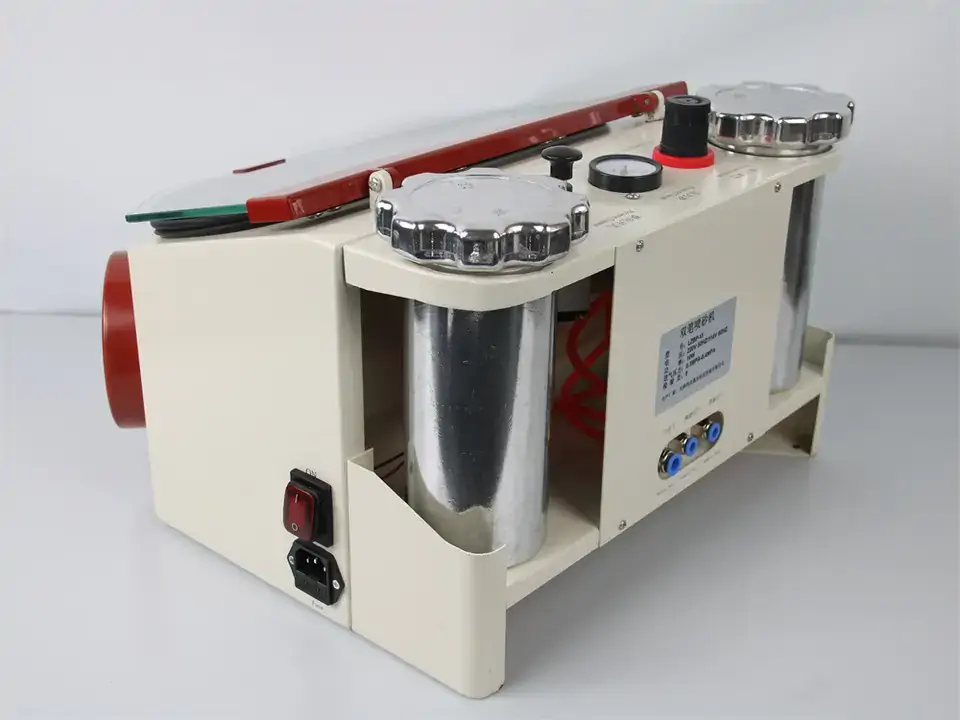
Dental lab machines improve productivity and consistency. They reduce manual errors and support large-scale production. Equipment selection depends on lab size and service scope.
Common machines include sandblasting units, furnaces, and model trimmers. These tools streamline surface preparation, sintering, and finishing tasks.
Lab equipment enhances efficiency and reduces technician fatigue. It also ensures standardized results across batches.
Finishing tools define final restoration quality. Smooth surfaces improve comfort and reduce plaque retention. Proper polishing also enhances appearance and longevity.
Well-finished restorations require fewer adjustments. They also improve clinical acceptance rates.
Benefits include:
Improved surface smoothness
Better patient comfort
Reduced wear on opposing teeth
Consumables support daily operations and must be replaced regularly. These include burs, discs, liners, and abrasives. Fresh consumables maintain cutting efficiency and safety.
Using worn consumables increases error risk. Consistent replacement protects accuracy and workflow stability.
Packaging products protect restorations during transport. Secure delivery prevents damage and contamination. Clean presentation reflects professional standards.
Proper packaging reduces returns and builds trust. Clear labeling also improves communication with clinics.
Product selection affects efficiency, cost control, and output quality. Labs should consider compatibility, technician skill level, and case type. Strategic choices reduce training time and production risks.
Smart selection leads to predictable results and smoother workflows.
Common dental lab products support every stage of restoration fabrication. From impressions and models to ceramics and polishing tools, each category plays a specific role. Careful selection improves precision, efficiency, and long-term performance. A dependable Dental Lab Product helps labs meet clinical expectations and market demand. For detailed information and cooperation opportunities, Welcome to inquiry to explore reliable solutions.