

The dental chair is the central piece of equipment in any dental clinic. It's designed to provide comfort to the patient while allowing the dentist to work effectively. These chairs are equipped with adjustable features, such as headrests and footrests, that allow for a more customized patient experience.
A well-designed dental chair ensures that patients remain relaxed during procedures, and it enables the dentist to work at the optimal angle. The chair's ability to adjust helps the dentist provide the best care possible.
Advantages:
Adjustable features for comfort
Essential for various procedures
Improves dentist accessibility to the patient
Dental handpieces, also known as dental drills, are among the most common tools used in dental practices. These devices are used for a wide variety of tasks, including cleaning, shaping, and drilling into teeth.
High-Speed Handpieces: Used for cutting and shaping teeth.
Low-Speed Handpieces: Primarily used for polishing and finishing.
Surgical Handpieces: Used in surgical procedures for precise cutting.
Why it’s Critical:
Handpieces are essential for most dental procedures, from basic cleaning to intricate surgeries. Their functionality can significantly affect the efficiency and success of a treatment.
Advantages:
High-speed for efficiency
Versatile with different attachments
Precision in various dental procedures
Suction units are used to keep the mouth free from saliva, blood, and other debris during dental procedures. The vacuum suction ensures that the treatment area remains clear, allowing the dentist to see clearly and perform procedures more effectively.
Suction units are critical for maintaining a clean and clear operating field. This not only improves visibility but also prevents the patient from discomfort during the procedure.
Advantages:
Keeps treatment area clear
Prevents fluid accumulation
Vital for various procedures
An X-ray machine is essential in any dental clinic. It helps to capture detailed images of the teeth and surrounding bone structures, assisting in the detection of cavities, infections, and other dental issues that can't be seen during a regular examination.
Dental X-rays help in diagnosing issues like cavities, bone loss, and hidden infections. These images are essential for formulating treatment plans and ensuring proper care.
Advantages:
Provides a detailed view of the dental structure
Helps in diagnosing unseen problems
Essential for treatment planning
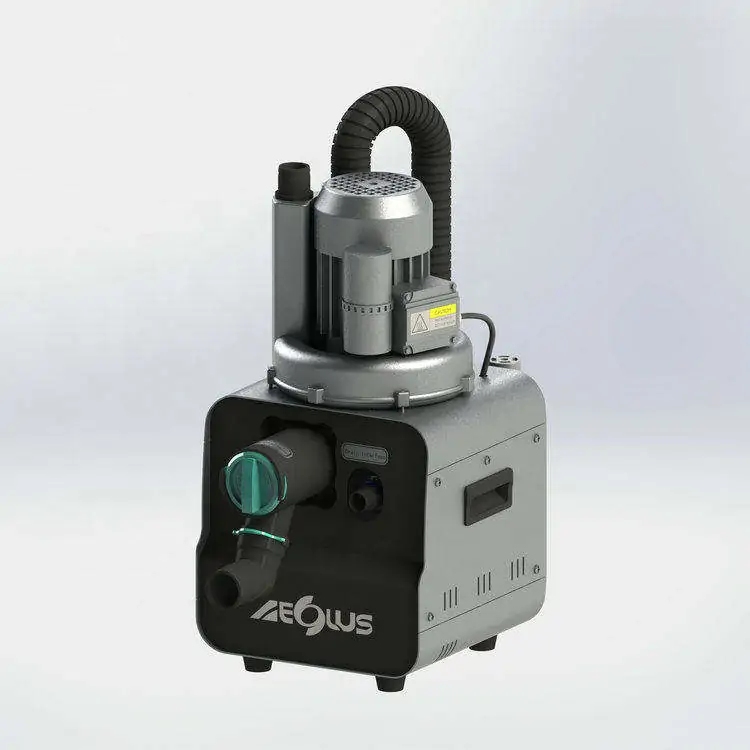
An autoclave is a sterilization device that uses steam to sterilize dental instruments. It is crucial for ensuring that all tools are free from harmful bacteria, viruses, or any contamination.
Sterilization is vital to prevent cross-contamination between patients and to maintain a high level of hygiene in the clinic. The autoclave guarantees that every instrument is safe to use.
Advantages:
Ensures safety and hygiene
Prevents infections
Mandatory for all dental clinics
This category includes a wide range of tools that are used for various procedures such as probing, examining, cleaning, and performing surgeries. Instruments like probes, mirrors, and tweezers are essential for proper diagnostics and treatment.
Explorer: Used to detect cavities and cracks.
Dental Mirror: Helps the dentist examine the teeth from different angles.
Scalers: Used for removing plaque and tartar.
These tools are foundational for every dental procedure, from simple cleanings to complex surgeries.
Advantages:
Specialized for different dental procedures
Easy to use and handle
Essential for diagnostics and treatments
For specialized work, dental laboratory equipment is essential. Tools like sandblasting machines, injection molding devices, and casting machines are used to create customized dental products such as crowns, bridges, and dentures.
Dental lab equipment is critical for crafting dental prosthetics and custom appliances. These tools ensure the precision and durability of products that will ultimately be used in dental procedures.
| Equipment | Purpose |
|---|---|
| Sandblasting Machine | Surface preparation for crowns and bridges |
| Injection Molding | Shaping dental products like dentures |
| Casting Tools | Creating dental prosthetics |
Advantages:
Essential for creating dental prosthetics
Enables customization of dental products
Increases the quality of dental work
A dental light is used to illuminate the treatment area, ensuring that the dentist has clear visibility while working on the patient's teeth. Proper lighting is essential for any procedure that requires precision.
Clear visibility is crucial during procedures such as root canals, fillings, and extractions. The dental light helps eliminate shadows and improves the accuracy of the work.
Advantages:
Provides necessary lighting for precision
Adjustable to suit different procedures
Reduces eye strain for the dentist
Dental curing lights are used to harden materials such as composite resins during restorative dental procedures. The light activates photoinitiators in the material, allowing it to solidify quickly and securely.
Curing lights emit high-intensity blue light that helps in the hardening process of dental resins. This reduces the time required for the material to set and ensures its durability.
Advantages:
Speeds up the hardening process
Improves the longevity of dental materials
Essential for composite filling procedures
Every dental clinic requires a variety of specialized equipment to perform efficient, safe, and effective procedures. From dental chairs and handpieces to sterilization equipment and diagnostic tools, these devices all play a crucial role in ensuring high-quality dental care. If you are setting up or upgrading your clinic, it is essential to focus on acquiring the right Dental Clinic Equipment that meets the needs of your patients and practitioners.
For more information on the best dental equipment, or if you’re looking to set up a dental practice, contact us today to explore your options and find the perfect solutions for your clinic.