

Mountain bikes have evolved significantly since their invention in the late 20th century. What started as modified road bikes for off-road use has become a category of its own, with specialized features and designs to maximize performance in the wildest conditions. From shock-absorbing suspension systems to wider tires and reinforced frames, mountain bikes have come a long way to become the ultimate off-road cycling machine.
Mountain bikes are primarily designed for off-road cycling, making them perfect for a variety of outdoor activities, including:
Trail Riding – Whether it's an easy forest path or a more technical mountain trail, a mountain bike excels at navigating uneven and rocky ground.
Mountain Climbing – The sturdy construction and gearing systems allow riders to ascend steep slopes and hills.
Cross-Country Cycling – Mountain bikes are perfect for cross-country cycling, as they provide the stability and durability needed for long-distance adventures across different landscapes.
Downhill Racing – Some specialized mountain bikes, known as downhill bikes, are designed for speed and control on steep descents.
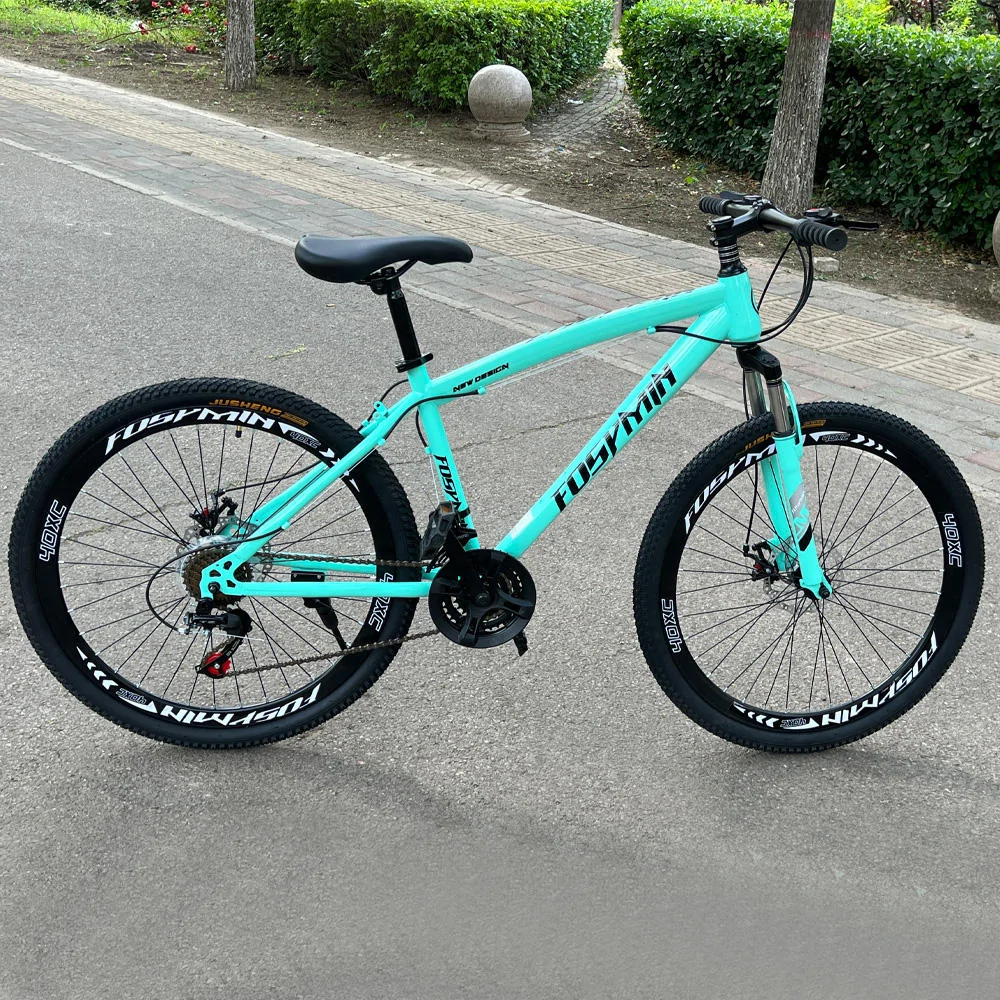
One of the standout features of a mountain bike is its wide, knobby tires. These tires are designed to grip a variety of surfaces, including dirt, mud, sand, and gravel. The extra surface area and tread patterns provide superior traction, allowing the rider to maintain control even on challenging terrain.
| Tire Type | Best Terrain | Pros | Cons |
|---|---|---|---|
| Fat Tires | Snow, sand, mud | Excellent stability | Slower on smooth roads |
| Standard Mountain Tires | Gravel, dirt trails | Fast rolling, versatile | Less stability on slick surfaces |
Mountain bikes often feature a suspension system that absorbs shock and bumps while riding over rough terrain. There are two main types of suspension systems: front suspension (known as hardtail) and full suspension (front and rear suspension). The full suspension system is particularly useful for downhill riding, as it helps absorb the shock from steep descents.
| Suspension Type | Ideal Use | Benefits | Drawbacks |
|---|---|---|---|
| Hardtail | Cross-country riding | Lighter, more efficient | Less comfort on rough terrain |
| Full Suspension | Downhill, technical trails | Maximum shock absorption | Heavier, more expensive |
The frame of a mountain bike is typically made from steel, aluminum, or carbon fiber. These materials are designed to withstand the rigors of off-road cycling, including collisions with rocks, tree roots, and uneven surfaces. Aluminum frames are lightweight yet durable, while steel frames offer strength but are heavier. Carbon fiber frames provide the best strength-to-weight ratio but come at a higher cost.
| Material Type | Weight | Durability | Price |
|---|---|---|---|
| Aluminum | Light | Moderate | Affordable |
| Steel | Heavy | Very durable | Budget-friendly |
| Carbon Fiber | Very light | Excellent but expensive | High-end, premium choice |
Mountain bikes are ideal for trail riding and cross-country adventures, offering the stability and power required to handle rocky, muddy, and uneven paths. Suspension forks and gearing systems make it easier to climb hills and descend slopes, while wide tires help keep the bike stable on loose surfaces like gravel and sand.
For cross-country cyclists, a hardtail mountain bike may be preferred, as it is lighter and provides better pedaling efficiency for longer distances. Full suspension bikes are great for riders who want maximum comfort and control, especially when riding over more technical and bumpy trails.
For extreme sports enthusiasts, downhill biking is one of the most thrilling uses of a mountain bike. These bikes are built to withstand high-speed descents down steep slopes while offering control, stability, and shock absorption. Downhill bikes typically feature heavier frames, wide tires, and heavier suspension systems to handle the intense impact and high speeds of downhill racing.
Choosing the right mountain bike depends on the type of riding you plan to do. Whether you're looking for a bike for casual trail rides, an aggressive downhill bike, or something in between, it's essential to consider factors such as suspension type, frame material, tire size, and gearing system.
If you're new to mountain biking, look for a hardtail bike with a simple gear system and affordable frame material. These bikes are easier to handle and maintain, making them perfect for novice riders who want to explore local trails without investing too much upfront.
Experienced riders might want to opt for a full suspension mountain bike with advanced features like hydraulic brakes, lightweight carbon frames, and advanced gearing systems. These bikes are designed to handle more technical trails and rough terrain.
Mountain bikes are versatile machines that allow you to explore the outdoors, whether you're navigating through difficult trails or riding on smooth paths. With their wide tires, suspension systems, and sturdy frames, mountain bikes excel in providing comfort, stability, and control in a variety of conditions. Whether you're a beginner or an experienced rider, there is a mountain bike to fit your needs.
If you're looking to purchase a mountain bike or need advice on choosing the right one for you, Welcome to contact us. We're here to help guide you to the perfect bike for your next adventure.