

One of the main drawbacks of a fat tire bike is its increased weight. Fat tire bikes often weigh significantly more than traditional bikes due to their heavier tires, frames, and other components. This added weight can lead to reduced performance, especially on smoother terrains like paved roads. It makes the bike harder to accelerate and maintain speed, particularly on flat surfaces.
The weight of the bike also leads to greater fatigue over long rides. Riders may feel more tired than they would with a lighter bike, as they have to work harder to maintain their momentum.
Weight Comparison between Fat Tire Bikes and Standard Mountain Bikes
| Bike Type | Average Weight | Pros | Cons |
|---|---|---|---|
| Fat Tire Bike | 30-40 lbs | Stable, better off-road performance | Slower, harder to accelerate |
| Standard Mountain Bike | 25-30 lbs | Lighter, faster acceleration | Less stability on rough terrain |
Fat tire bikes are bulkier and take up more storage space compared to regular bikes. Their wide tires and larger frames make it difficult to store them in tight spaces, whether in your garage, apartment, or car. You may need to find special storage solutions, which can be a challenge for urban cyclists.
Furthermore, transporting these bikes can be problematic as they don’t fit on most standard bike racks. You may need a larger vehicle or a specialized bike rack to transport the bike, which adds another layer of inconvenience for the rider.
Fat tire bikes come with a higher price tag compared to traditional mountain bikes or road bikes. The cost of larger, high-quality tires and heavy-duty components drives up the overall price. Replacement parts, such as tires and rims, are often more expensive, which contributes to the high maintenance costs associated with these bikes.
In addition to the higher initial investment, the cost of upkeep is also a concern. Fat tire bikes require more regular maintenance to keep the larger tires and other components in optimal condition. This includes more frequent tire repairs and replacements, which can become costly over time.
Comparison of Maintenance Costs for Fat Tire Bikes and Standard Bikes
| Bike Type | Average Maintenance Cost | Pros | Cons |
|---|---|---|---|
| Fat Tire Bike | High ($200-300/year) | Great for rough terrains | Expensive tires, frequent repairs |
| Standard Mountain Bike | Low ($100-150/year) | Lower repair costs | Not suited for extreme terrain |
Due to the larger surface area, fat tire bikes are more susceptible to punctures and damage. Whether you’re riding on rocks, gravel, or other rough surfaces, the added weight and size of the tires increase the likelihood of wear and tear. This leads to more frequent tire replacements and maintenance compared to standard mountain bikes, which use smaller tires.
While fat tire bikes excel in off-road conditions, they tend to be slower on smooth, paved roads. The wide tires create higher rolling resistance, which makes it more difficult to maintain speed, especially on flat terrain. This increased drag can be frustrating for riders who use their bikes for commuting or who want to ride at higher speeds.
Fat tire bikes also consume more energy per pedal stroke, which makes them less efficient for long-distance riding compared to road bikes or standard mountain bikes.
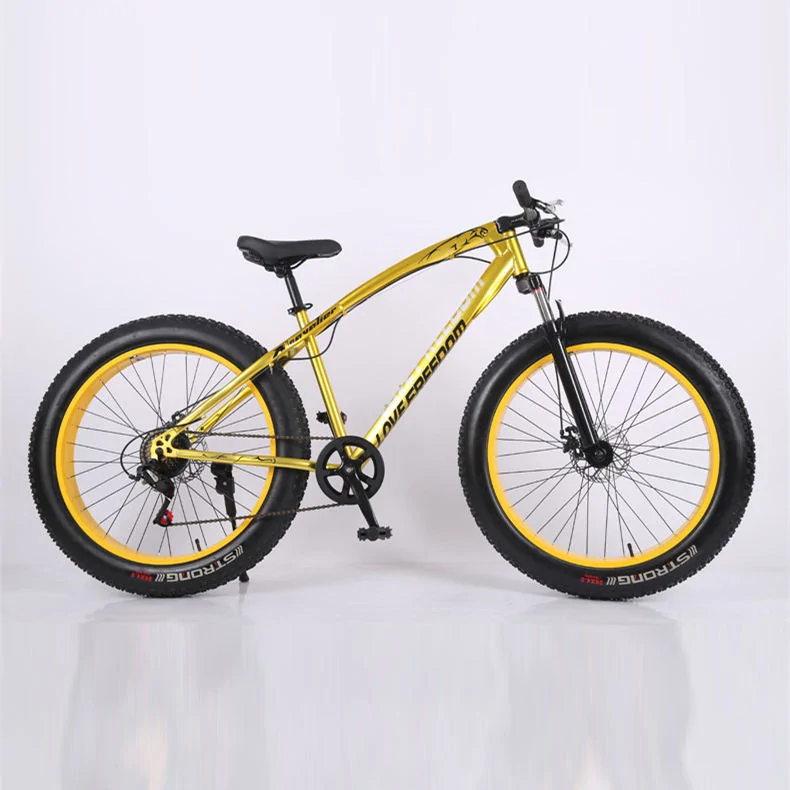
Speed Comparison of Fat Tire Bikes vs. Standard Road Bikes
| Bike Type | Average Speed (Flat Terrain) | Pros | Cons |
|---|---|---|---|
| Fat Tire Bike | 10-12 mph | Great for rough terrain | Slower on paved roads |
| Road Bike | 15-20 mph | Fast, efficient on roads | Not ideal for rough terrain |
Fat tire bikes are primarily designed for challenging terrains such as sand, snow, or mud. On smooth roads or flat trails, they can feel cumbersome and inefficient. The larger tires create additional drag, and the bike may feel slower and less responsive, especially on long rides.
For riders who primarily use their bikes for commuting or recreational rides on paved roads, a fat tire bike may not offer the best performance.
Fat tire bikes are less agile than regular mountain bikes or road bikes, especially when navigating tight corners or congested urban areas. The wide tires and heavier frames make it harder to maneuver through traffic or narrow lanes. Riders might find themselves struggling to navigate through obstacles or make sharp turns, which can be a disadvantage in urban environments.
In addition to difficulties in tight spaces, fat tire bikes can also be challenging to handle on curves or steep slopes. The added weight and wide tires require more effort to steer, making the bike feel less responsive when making turns or going downhill.
For those who use electric fat tire bikes, the battery life can be a significant issue. The larger tires and heavier frame drain the battery much faster than lighter models. Riders who plan to take long trips may find themselves needing to charge the bike more frequently, which can be an inconvenience, especially when traveling in remote areas.
While fat tire bikes offer superior comfort on rough terrain, they are not built for long-distance endurance. The added weight and slower speed can make long rides uncomfortable, which is why riders seeking efficiency and endurance may want to consider other options like road bikes or touring bikes.
Fat tire bikes are undoubtedly impressive machines, capable of handling rugged terrains like sand, snow, and mud. However, they come with several disadvantages that may make them less suitable for daily commuting or long-distance rides. The increased weight, higher costs, lower speed, and poor handling on smooth terrain are important factors to consider before purchasing one.
If you are an adventure cyclist who enjoys riding off-road or tackling challenging conditions, a fat tire bike may be the perfect choice for you. However, if you are looking for a bike for commuting or primarily riding on paved roads, you might want to explore other options.
We hope this article has helped you understand the disadvantages of fat tire bikes and whether this bike type suits your needs. Welcome to inquiry if you have more questions about fat tire bikes or need assistance in choosing the right model for you.