

The frame size of a mountain bike directly influences your comfort and handling. A frame that is too small can cause discomfort, while one that is too large may affect your control and performance on rough terrain. Getting the right size ensures that you can maneuver the bike effectively, maintain balance, and prevent injuries. Proper frame sizing also contributes to a more efficient ride, whether you're tackling steep hills or cruising on a trail.
Several factors affect the ideal frame size for a mountain bike, including:
Rider's Height: Taller riders generally need larger frames.
Inseam Length: Your inseam measurement will help determine the standover height, which ensures you can mount the bike comfortably.
Riding Style: Riders focused on cross-country (XC) riding may prefer a smaller frame, while those riding technical trails or downhill may need a larger one.
Understanding these factors is crucial before making your final decision.
Your height is one of the first indicators that will help you choose the right mountain bike frame size. Follow these steps to measure your height accurately:
Stand straight with your back against a wall.
Use a tape measure to measure from the floor to the top of your head.
Record your height in inches or centimeters.
This measurement will give you a rough idea of the frame size range that fits you best. However, height alone is not enough. Your inseam length also plays a crucial role in ensuring proper fit.
The inseam measurement is critical because it affects the standover height, ensuring you have enough clearance to safely stand over the bike frame. Here’s how to measure your inseam:
Stand with your feet about six inches apart.
Use a tape measure to measure from your crotch to the floor. Make sure the tape is held firmly but not too tight.
Once you have your inseam length, you can compare it with the recommended frame sizes in charts.
Most mountain bicycles come with sizing charts that use your height and inseam measurements to help determine the appropriate frame size. Below is an example of a frame size guide based on height and inseam length.
| Rider Height | Frame Size (inches) |
|---|---|
| 4'10" – 5'3" | 13" – 15" |
| 5'3" – 5'7" | 15" – 17" |
| 5'7" – 6'0" | 17" – 19" |
| 6'0" – 6'3" | 19" – 21" |
| 6'3" and above | 21" and above |
This table can give you a good starting point for selecting your mountain bicycle frame size.
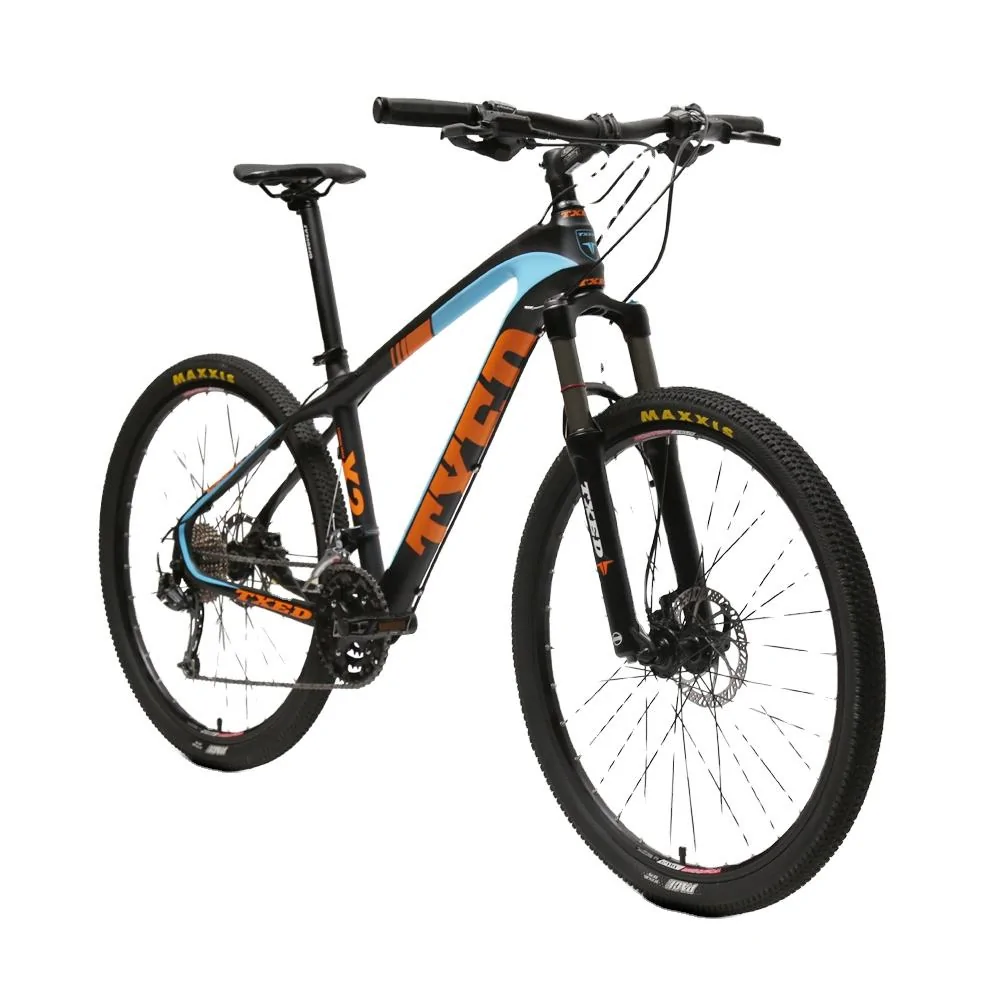
Your riding style also plays a key role in selecting the proper frame size. Different types of mountain biking may require different frame characteristics.
For XC riders, who prioritize speed and efficiency, a smaller frame may be ideal. A smaller frame ensures better agility and maneuverability, especially when riding over varied terrain.
If you enjoy trail or all-mountain riding, a medium frame may offer the right balance of comfort and control. A slightly larger frame may also be preferred for better stability on downhill sections.
For downhill or enduro riders, a larger frame provides more stability, which is essential for handling higher speeds and rough terrain. It also allows for better control on steep descents.
After determining the ideal frame size based on height, inseam, and riding style, it’s important to test the bike in person. When test-riding a bike:
Check the Standover Height: You should have at least 1-2 inches of clearance between the top tube and your crotch when standing over the bike.
Reach and Comfort: Make sure you can comfortably reach the handlebars without overextending. Your knees should not touch the handlebars when pedaling.
Handlebar and Seat Adjustments: These can also influence the overall fit of the bike. Make adjustments to the seat height and handlebar position to ensure comfort.
When measuring and selecting your mountain bicycle frame size, avoid these common mistakes:
Not considering standover height: The standover height is crucial for comfort and control, so don't skip this step.
Ignoring inseam length: Inseam length helps determine the frame's standover height, which affects your riding comfort.
Overlooking test rides: Even if you’ve calculated the perfect size, a test ride ensures that the bike fits you correctly.
| Inseam Length (inches) | Frame Size (inches) |
|---|---|
| 28" – 30" | 13" – 15" |
| 30" – 32" | 15" – 17" |
| 32" – 34" | 17" – 19" |
| 34" – 36" | 19" – 21" |
| 36" and above | 21" and above |
Measuring your mountain bicycle frame size properly is essential for achieving the best fit, comfort, and performance. By following the steps outlined in this article—measuring your height and inseam, consulting sizing charts, considering your riding style, and test riding the bike—you can ensure that you select the ideal frame size for your mountain biking adventures. A well-fitted bike will not only enhance your experience but also prevent discomfort and improve your riding efficiency.