Introduction to allulose
What makes allulose unique
Allulose is a rare sugar found naturally in small quantities in fruits such as figs and raisins. It has a chemical structure similar to regular sugar but is absorbed differently by the body. The human body metabolizes it minimally, which means it contributes almost no calories. Unlike other sweeteners, allulose provides a clean, sweet taste without the bitterness often found in artificial alternatives.
- werr
- dsxcf
Benefits over traditional sugar
People switch to allulose because it does not raise blood glucose or insulin levels significantly. This makes it suitable for diabetics and anyone managing weight. Unlike sugar alcohols, it rarely causes digestive discomfort at moderate doses. Its sweetness profile closely mimics sucrose, making it ideal for beverages, baking, and confectionery. These benefits have increased consumer trust and usage in the food industry.
Extraction process
Liquid allulose is produced by converting fructose from natural sources into allulose. Enzymes break down the sugar molecule into a form that tastes like sugar but is low in calories. The resulting syrup is filtered and purified to ensure clarity and stability. This process maintains the sweetness and provides a consistent product for commercial and home use.
Quality and safety
Producers test allulose liquid for purity, microbial safety, and pH stability. Strict quality control ensures the product meets food-grade standards. It is generally recognized as safe for consumption and has been used successfully in various countries. These measures reassure consumers about its reliability and health safety.
Taste and usage
Sweetness profile
Allulose tastes nearly identical to sugar, with about 70% of sucrose’s sweetness. Unlike other sweeteners, it has no aftertaste or bitterness. This allows it to blend seamlessly in drinks, sauces, and baked goods. Its mild sweetness also helps maintain the natural flavor of ingredients.
Culinary applications
Liquid allulose is versatile in cooking. It dissolves easily in cold and hot liquids, making it perfect for beverages. Bakers use it to create moist cakes, cookies, and caramel-like sauces. It does not crystallize easily, which is beneficial for candies and syrups. Its functional properties make it a preferred sugar alternative in modern kitchens.
Health benefits
Low calorie content
One of the main advantages of allulose liquid is its low calorie value. While sugar has 4 calories per gram, allulose contributes less than 0.4 calories per gram. This allows people to enjoy sweet foods without compromising their calorie intake. Dieters often replace sugar with allulose to manage weight effectively.
Blood sugar control
Allulose does not significantly increase blood glucose or insulin levels. Studies suggest it may even help with glucose management in diabetics. This property makes it suitable for people with diabetes or those aiming to reduce sugar consumption. Its glycemic neutrality is a key reason for its popularity.
Digestive tolerance
Unlike sugar alcohols, liquid allulose rarely causes bloating or diarrhea in moderate amounts. Most people tolerate it well, making it safer for daily use. The minimal digestive impact enhances its appeal compared to other low-calorie sweeteners.
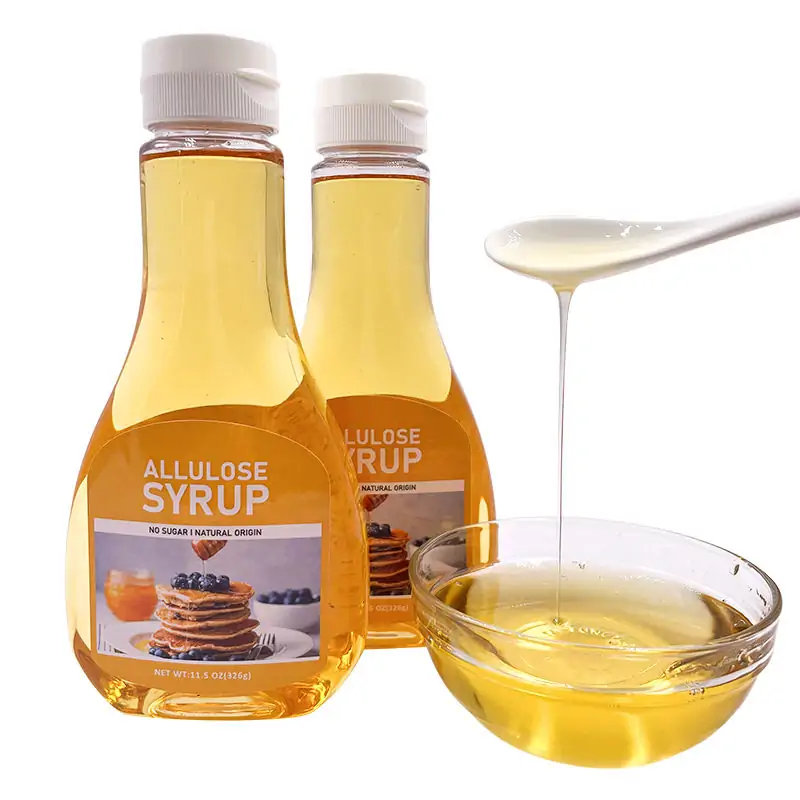
Comparison of allulose vs sugar
| Feature |
Sugar |
Allulose Liquid |
| Calories |
4 kcal/g |
0.4 kcal/g |
| Blood sugar effect |
High |
Low |
| Taste |
Sweet |
Sweet, no aftertaste |
| Digestive issues |
Possible |
Rare |
Production and market trends
Global demand
The demand for liquid allulose has grown due to increased awareness of sugar’s health risks. Food industries are adopting it for beverages, sauces, dairy products, and baked goods. Consumers are seeking natural, low-calorie sweeteners, and liquid allulose meets both needs.
Consumer adoption
People are replacing sugar with liquid allulose gradually. Early adopters include health-conscious individuals and diabetics. As recipes adapt to its properties, its presence in household and commercial kitchens continues to expand. Education about its benefits encourages wider use.
Regulatory status
Safety recognition
Allulose is recognized as safe in many countries. It is often labeled as GRAS (Generally Recognized as Safe). Regulations allow it to be marketed as a sugar alternative with minimal calories. Compliance with standards ensures consumer confidence and supports widespread adoption.
Labeling requirements
Manufacturers label products with the amount of allulose used. Clear labeling helps consumers understand calorie content and health benefits. Transparency in labeling encourages trust and reduces confusion about ingredients.
Functional properties in food
Baking performance
Liquid allulose performs well in baking. It browns like sugar and retains moisture in cakes and cookies. Its sweetness and texture are stable under heat, which allows it to replace sugar in many recipes without affecting taste or appearance.
Beverage applications
In drinks, allulose dissolves quickly and provides consistent sweetness. It can replace sugar in coffee, tea, smoothies, and flavored water. Its neutral taste ensures beverages maintain their intended flavor.
Tabletop use
Consumers can use liquid allulose as a sweetener in cereals, oatmeal, and yogurt. Its liquid form makes portion control easy, and it integrates naturally into daily routines.
Common uses of allulose liquid
| Application |
Benefit |
Notes |
| Baking |
Moist texture, browning |
Replace sugar 1:1 |
| Beverages |
Quick dissolve, consistent taste |
Cold and hot drinks |
| Sauces & syrups |
Thickening, sweetness |
No crystallization |
Potential drawbacks
Cost considerations
Liquid allulose is often more expensive than sugar. While its benefits justify the cost for some consumers, price can be a barrier for widespread use. Bulk purchasing and industrial adoption help reduce costs over time.
Limited availability
Although production is increasing, liquid allulose may not be available everywhere. Regional supply limits may affect consumer access. Expanding production and distribution networks is key to meeting demand.
Taste perception
Most people enjoy allulose’s taste, but a small minority notice a mild cooling sensation. This is subtle and usually not noticeable in baked goods or beverages but may affect some applications.
Comparison with other sweeteners
Sugar alcohols
Sugar alcohols like erythritol and xylitol have low calories but often cause digestive issues. Allulose liquid is better tolerated and has a more natural sweetness. This makes it preferable for daily consumption.
Stevia and monk fruit
Plant-based sweeteners such as stevia or monk fruit can have bitter aftertastes. Allulose liquid avoids this problem and behaves more like sugar in recipes. Its clean flavor is a competitive advantage.
Allulose vs other sweeteners
| Sweetener |
Sweetness |
Calories |
Digestive tolerance |
Aftertaste |
| Sugar |
100% |
4 kcal/g |
Good |
None |
| Erythritol |
70% |
0.2 kcal/g |
Moderate |
Cooling |
| Stevia |
200–300% |
0 kcal/g |
Good |
Bitter notes |
| Allulose Liquid |
70% |
0.4 kcal/g |
High |
Clean |
Environmental and sustainability factors
Natural sourcing
Allulose is sourced from natural sugars found in fruits. Conversion processes are efficient, minimizing waste. Compared to refined sugar or artificial sweeteners, liquid allulose has a smaller environmental footprint in production.
Industrial efficiency
Modern production uses enzyme conversion to maximize yield. This process reduces energy consumption and ensures consistent quality. Sustainable practices enhance consumer confidence in liquid allulose.
Consumer guidance
How to use
Liquid allulose can replace sugar in a 1:1 ratio for most recipes. Start with small amounts to evaluate sweetness preferences. Its low-calorie nature allows for daily consumption without major dietary changes.
Storage recommendations
Store in a cool, dry place. Avoid direct sunlight and contamination. Proper storage preserves clarity, sweetness, and shelf life. Most commercial products come with airtight packaging for convenience.
Purchase advice
When buying allulose liquid, check for purity and label information. Quality assurance ensures safety and taste. For sourcing details, you can Welcome to inquiry to learn more about food-grade liquid allulose.
Future outlook
Growing market
The market for liquid allulose is expected to grow. Rising health consciousness, diabetes prevalence, and interest in low-calorie diets drive demand. Food manufacturers will continue integrating it into beverages, baked goods, and sauces.
Innovation in formulations
Researchers are developing blends with other sweeteners to enhance taste, reduce cost, and expand applications. New product lines will likely use liquid allulose as a key ingredient in sugar-reduced foods.
Wider consumer education
Awareness campaigns help consumers understand the benefits and limitations of allulose. Education reduces hesitation, clarifies misconceptions, and encourages adoption in everyday diets.
Key benefits of allulose liquid
| Benefit |
Explanation |
Application |
| Low calories |
Less than 0.4 kcal/g |
Diet management |
| Blood sugar neutrality |
Minimal effect on glucose |
Diabetes-friendly |
| Digestive tolerance |
Rare bloating |
Daily use |
| Sugar-like taste |
No bitterness |
Baking, beverages |
Conclusion
Liquid allulose is a versatile, low-calorie sweetener that resembles sugar in taste and function. Its benefits include minimal calories, stable sweetness, blood sugar neutrality, and digestive tolerance. While cost and availability may limit some adoption, growing awareness and industrial use support its expansion. Consumers seeking healthier sugar alternatives can safely incorporate it into cooking, baking, and beverages. For more product details or bulk sourcing, Welcome to inquiry about Allulose Liquid to receive professional guidance and ensure quality.