Limited Speed and Performance
One of the most significant disadvantages of folding bikes is their speed and performance. Due to their smaller wheels, these bikes tend to be slower than regular bikes, especially on flat, smooth surfaces. The smaller wheel size creates more rolling resistance, which results in less speed. Riders may also experience less control at higher speeds, making them less suitable for fast-paced cycling activities like racing or long-distance trips.
Speed Comparison – Folding vs. Regular Bikes
| Feature |
Folding Bike |
Regular Bike |
| Wheel Size |
16-20 inches |
26-29 inches |
| Top Speed |
Lower due to smaller wheels |
Higher due to larger wheels |
| Rolling Resistance |
Higher |
Lower |
If you're looking for a bike that offers speed and performance for long commutes or road cycling, a folding bike might not provide the efficiency you're seeking. This limitation can be particularly noticeable when riding for extended periods or on long, straight roads.
Less Comfort on Rough Terrain
Another downside of folding bikes is that they generally offer less comfort when riding on rough terrain. The smaller wheels and limited suspension systems found on most folding bikes make them less suitable for handling bumps, gravel, or uneven trails. While some folding bikes are designed with larger wheels or better shock absorption, they still can't match the comfort provided by full-sized mountain bikes or road bikes with advanced suspension.
Comfort – Folding Bike vs. Road Bike
| Feature |
Folding Bike |
Road Bike |
| Wheel Size |
Smaller wheels (16-20 inches) |
Larger wheels (25-28 inches) |
| Suspension |
Limited or none |
Advanced suspension systems |
| Ride Quality |
Less comfortable on rough terrain |
More comfortable on rough roads |
If you frequently ride on bumpy paths or trails, a folding bike may not provide the comfort and stability you need. Its smaller wheels can get caught in obstacles, and the lack of suspension can make riding over rough surfaces uncomfortable.
Limited Gear Options
Most folding bikes come with a limited number of gears. This is because their compact design usually accommodates fewer gear options. With fewer gears, riders may find it more challenging to tackle hilly areas or change speeds efficiently. For cyclists who need a bike that can handle steep inclines or varying terrain, a folding bike might not be the best option.
While some higher-end folding bikes offer more gears, they are still typically not as versatile as traditional bikes with a broader range of gears. If you often cycle in hilly or mountainous areas, this limitation may be a significant downside.
Gear Comparison – Folding vs. Regular Bikes
| Feature |
Folding Bike |
Regular Bike |
| Number of Gears |
Typically 6-7 gears |
21+ gears (varies) |
| Gear Shifting |
Less responsive and limited |
More precise shifting with a wider range |
| Terrain Handling |
Limited on steep hills |
Better for hilly terrains |
For those looking for versatility in gear shifting and the ability to easily handle varying terrains, a folding bike may not provide the flexibility needed for an enjoyable ride.
Stability Issues at High Speeds
Due to their compact design, folding bikes can also face stability issues at higher speeds. The smaller wheel size and the fact that they are designed for portability rather than high-speed performance can result in a lack of stability, especially when riding on uneven surfaces. The handling can feel twitchy or unstable at higher speeds, making it harder to maintain control.
If you are an experienced rider or enjoy riding at faster speeds, the stability of a folding bike could be a concern. The bike’s design may cause a wobbling effect or make it harder to ride in a straight line at speed, which can be a safety risk.
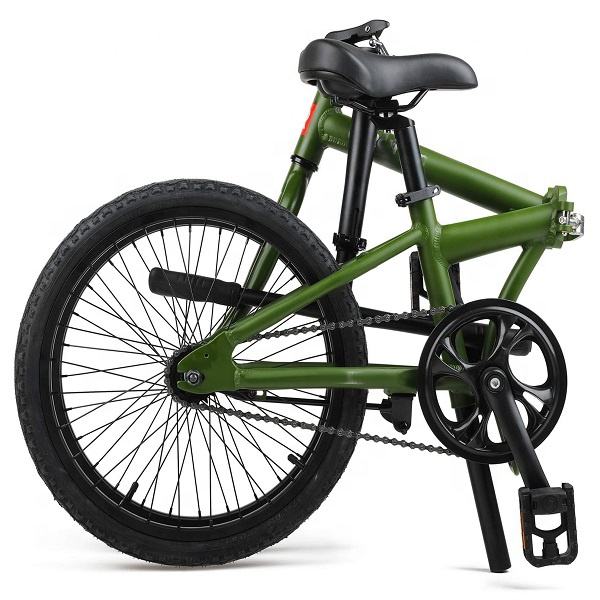
Storage and Portability Limitations
While folding bikes are known for their compact design, they are not always as portable as many believe. Folding and unfolding the bike can take time, and while they are small enough to be stored in tight spaces, their weight can be a limiting factor. Most folding bikes are made from heavier materials like steel or aluminum, which can make carrying them up stairs or over long distances inconvenient.
Additionally, although folding bikes can be stored in tight spaces, their folded size is still relatively bulky compared to a backpack or small suitcase. If you're looking for something ultra-compact for carrying in public transport or storing in a small apartment, you might find the weight and bulkiness of a folding bike to be a drawback.
Durability Concerns
Folding bikes are often less durable than traditional bikes due to the mechanisms used for folding and unfolding. The folding joints and hinges are usually the weakest points on the bike, and over time, they can wear out, affecting the overall strength and safety of the bike. Regular maintenance is required to ensure that these parts remain in good working condition. However, frequent use of the folding mechanism can lead to eventual wear and tear.
If you're planning to use your bike for everyday commuting or long-term travel, the durability of the folding bike could become an issue, especially if you regularly fold and unfold it. The constant pressure on the joints and hinges could result in premature breakdowns, affecting the bike's lifespan.
Limited Customization and Upgrades
Another disadvantage is the limited customization options for folding bikes. Unlike traditional bikes, folding bikes typically offer fewer options for customization in terms of accessories, parts, and upgrades. This can be frustrating for cyclists who enjoy personalizing their bikes for specific needs, such as adding a new saddle, upgrading the gears, or changing the wheels.
Folding bikes are often designed as an all-in-one package, which means the ability to modify or upgrade certain components is restricted. If you’re a cyclist who enjoys tweaking your bike for better performance or comfort, you may find the lack of customization options to be a limitation.
Conclusion
While folding bikes offer great convenience and portability, they do come with a set of limitations that may not make them the best option for every cyclist. Issues such as limited speed, reduced comfort on rough terrain, fewer gear options, and stability concerns at high speeds are important factors to consider before purchasing one.
If you are someone who values compact storage and ease of transport for commuting or short-distance travel, a folding bike could be a perfect fit. However, if you plan to ride on varied terrains or need a high-performance bike for longer rides, you may want to explore other options.
For more details or advice on choosing the right bike for your needs, Welcome to inquiry and contact us for expert recommendations and support.