Quick and Convenient Results
A rapid test is designed to provide results within a short period, typically within minutes to an hour. The convenience and speed make them an ideal choice for situations where immediate results are necessary, such as in emergency care, doctor's offices, or at-home testing.
Limited Sensitivity and Specificity
While rapid tests are fast, they may not always be as sensitive or specific as lab tests. This means that while they can provide a quick answer, they might miss certain conditions or give false positives or negatives. Rapid tests are often used for preliminary screening, but confirmatory testing may be required if results are ambiguous.
Types of Rapid Tests
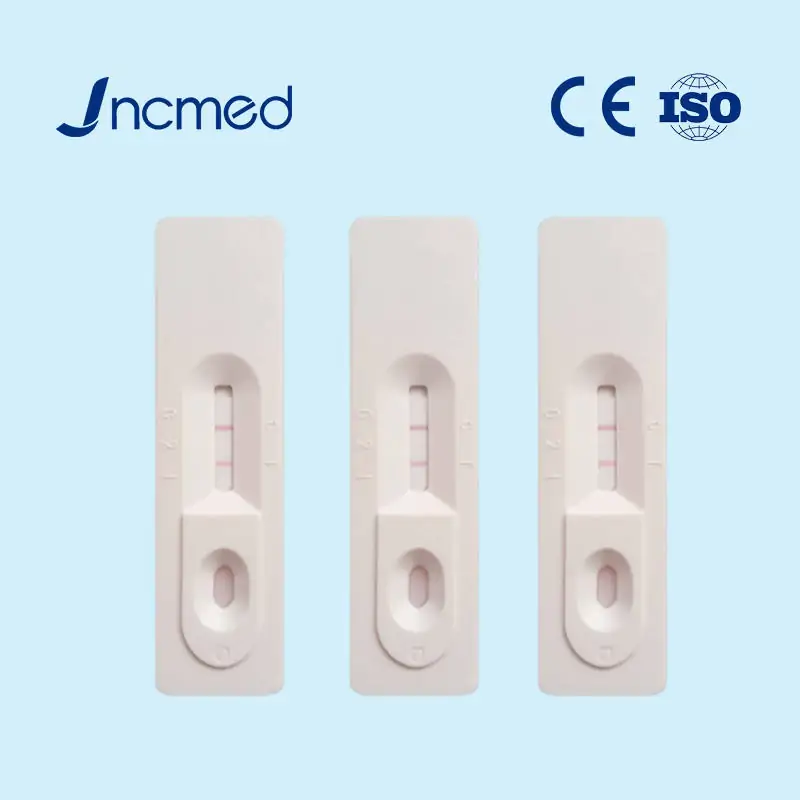
Rapid tests are available for a wide range of conditions, including infectious diseases (such as HIV and COVID-19), pregnancy, blood glucose levels, and urine analysis. These tests use various mechanisms, such as immunoassays or lateral flow technology, to detect specific markers in biological samples like blood, saliva, or urine.
In-Depth Analysis with Lab Tests
Detailed Results and Higher Accuracy
Lab tests are typically more comprehensive and accurate compared to rapid tests. They are performed in a laboratory setting by trained professionals and can analyze a wide variety of parameters in detail. The accuracy of lab tests is generally higher because they often use more sophisticated techniques, such as polymerase chain reaction (PCR) or mass spectrometry.
Longer Turnaround Time
One of the main drawbacks of lab tests is the longer waiting time for results. Depending on the complexity of the test and the type of analysis required, lab tests can take anywhere from a few hours to several days to produce results. This makes lab tests less suitable for situations where immediate feedback is needed.
Types of Lab Tests
Lab tests can be broadly classified into several categories, including blood tests, urine tests, tissue biopsies, and microbiological cultures. These tests are commonly used in hospitals, specialized clinics, and research laboratories to diagnose diseases, monitor chronic conditions, or detect genetic disorders.
Key Differences Between Rapid and Lab Tests
Speed vs. Accuracy
The primary difference between rapid tests and lab tests is the trade-off between speed and accuracy. Rapid tests offer the advantage of delivering fast results, but they may lack the precision and detail that lab tests provide. On the other hand, lab tests are more accurate and reliable but come with a longer wait time.
For a clearer comparison, here’s a look at some of the core differences:
| Feature |
Rapid Tests |
Lab Tests |
| Speed |
Results in minutes to hours |
Results in hours to days |
| Accuracy |
Lower |
Higher |
| Cost |
Lower |
Higher |
| Ease of Use |
Easy, can be used at home |
Requires trained professionals |
| Testing Scope |
Limited |
Comprehensive |
Convenience vs. Depth
Rapid tests are more convenient, often available for use at home or in point-of-care settings. They are easy to administer and require minimal training. However, they offer less in-depth analysis than lab tests, which are conducted in controlled environments with access to advanced equipment and expertise.
Cost and Accessibility
Rapid tests are generally more affordable and accessible than lab tests. Due to their simplicity and ease of use, rapid tests are often used in resource-limited settings, such as remote areas or low-budget healthcare systems. In contrast, lab tests may require more specialized equipment, skilled personnel, and a higher cost, making them less accessible in some cases.
Advantages and Limitations of Rapid Tests
Advantages
-
Fast Results: Rapid tests can provide results in a matter of minutes, making them ideal for urgent situations.
-
Portability: Many rapid tests are compact and portable, making them convenient for use in various settings.
-
Ease of Use: Most rapid tests are designed for non-professionals to use, requiring minimal training.
Limitations
-
Reduced Sensitivity and Specificity: Rapid tests may not always provide accurate results, especially in cases with low viral loads or atypical symptoms.
-
False Negatives/Positives: The risk of false results is higher with rapid tests, particularly when testing for conditions with overlapping symptoms.
-
Advantages and Limitations of Lab Tests
Advantages
-
Higher Accuracy: Lab tests generally offer more reliable results, making them the gold standard for diagnosing medical conditions.
-
Comprehensive Analysis: Lab tests can analyze multiple factors simultaneously, providing a more thorough evaluation of a patient's health.
-
Confirmatory Testing: Lab tests are often used to confirm results from rapid tests, ensuring accuracy in diagnosis.
Limitations
-
Longer Waiting Time: Lab tests typically require more time to process and deliver results.
-
Higher Cost: Due to the equipment and expertise required, lab tests can be more expensive than rapid tests.
When to Use Rapid Tests vs. Lab Tests
Using Rapid Tests for Initial Screening
Rapid tests are excellent for quick screening, particularly when you need to make fast decisions or provide preliminary results. They are often used in urgent care settings, during outbreaks, or for home testing. However, if a rapid test yields a positive or questionable result, it is important to follow up with a lab test for confirmation.
Using Lab Tests for Confirmation and Detailed Analysis
When more accurate and detailed results are needed, or when a rapid test produces uncertain outcomes, lab tests are the preferred choice. They are also used for monitoring chronic conditions, genetic testing, and in-depth analysis of health status.
Conclusion
In conclusion, both rapid tests and lab tests have their unique strengths and limitations. Rapid tests provide the advantage of speed and convenience, making them ideal for preliminary screenings and urgent care. However, they may lack the sensitivity and accuracy required for definitive diagnosis. Lab tests, while slower and more expensive, offer higher precision and depth, making them the preferred choice for comprehensive diagnostic work.
By understanding the key differences between these two types of tests, you can make more informed decisions about which test is appropriate for your healthcare needs. Whether you're looking for immediate results or in-depth analysis, both rapid tests and lab tests play important roles in modern diagnostics.
Common Types of Rapid Tests
For example, rapid tests for pregnancy, HIV, blood glucose levels, and COVID-19 are commonly used for quick screening. Here’s a breakdown of these tests:
| Test Type |
Conditions Tested |
| Pregnancy Tests |
Pregnancy |
| HIV Tests |
HIV infection |
| Blood Glucose Tests |
Diabetes |
| COVID-19 Tests |
SARS-CoV-2 |
Common Types of Lab Tests
On the other hand, lab tests are used for more comprehensive analysis. Below are some common types of lab tests:
| Test Type |
Conditions Tested |
| Blood Tests |
Blood disorders, infections |
| Urine Tests |
Kidney function, infections |
| PCR Tests |
Genetic analysis, viruses |
| Biopsy |
Cancer detection |