The car expansion valve is composed of several parts, each contributing to its function of controlling refrigerant flow. Let’s break down the primary components that make up the expansion valve:
1. Inlet Port
The inlet port is the entry point where the refrigerant enters the expansion valve from the compressor. This port connects to the high-pressure side of the air conditioning system, carrying refrigerant in a liquid state.
2. Needle or Pin Valve
The needle or pin valve is the part that regulates the amount of refrigerant passing through the valve. It is connected to a diaphragm inside the expansion valve, which moves to control the opening of the needle. By adjusting this opening, the expansion valve controls how much refrigerant reaches the evaporator coil, directly affecting the temperature and pressure within the system.
3. Diaphragm
The diaphragm inside the expansion valve responds to pressure changes in the system. It adjusts the movement of the needle valve to regulate the refrigerant flow. The diaphragm is typically a spring-loaded rubber or metal component that moves in response to the pressure from the evaporator.
4. Evaporator Temperature Sensor
The temperature sensor monitors the temperature of the evaporator to ensure it doesn't get too cold. If the temperature becomes too low, the sensor sends a signal to the diaphragm to reduce the flow of refrigerant, preventing the evaporator from freezing.
5. Outlet Port
The outlet port is where the refrigerant exits the expansion valve and enters the evaporator coil. Once the refrigerant has been expanded and its pressure reduced, it enters the evaporator, where it evaporates and absorbs heat from the cabin air, helping to cool the vehicle.
| Component |
Function |
Importance |
| Inlet Port |
Receives refrigerant from the compressor |
Allows refrigerant entry |
| Needle or Pin Valve |
Regulates refrigerant flow into the evaporator |
Controls refrigerant flow rate |
| Diaphragm |
Adjusts the needle valve based on pressure |
Controls refrigerant flow |
| Evaporator Temperature Sensor |
Monitors evaporator temperature |
Prevents freezing of the evaporator |
| Outlet Port |
Allows refrigerant to enter the evaporator coil |
Distributes refrigerant for cooling |
How the Expansion Valve Functions?
The expansion valve works by controlling the refrigerant flow to the evaporator in the A/C system. Here’s how each of its components plays a role in ensuring the system operates efficiently:
1. Refrigerant Flow Control
When the refrigerant flows from the compressor, it enters the expansion valve through the inlet port. The valve's needle adjusts based on the temperature and pressure of the refrigerant, controlling how much enters the evaporator. This precise control ensures that the refrigerant expands as it enters the evaporator, lowering its temperature.
2. Pressure Regulation
The diaphragm inside the valve responds to pressure changes from the evaporator. When the temperature or pressure gets too high, the diaphragm moves to restrict the refrigerant flow. This helps regulate the cooling process, preventing the evaporator from freezing or overcooling.
3. Temperature Monitoring
The evaporator temperature sensor is an important part of the expansion valve system. It ensures that the temperature of the evaporator is monitored so that it doesn’t drop too low. If the temperature falls below the safe operating range, the sensor signals the diaphragm to reduce refrigerant flow, preventing ice buildup on the evaporator.
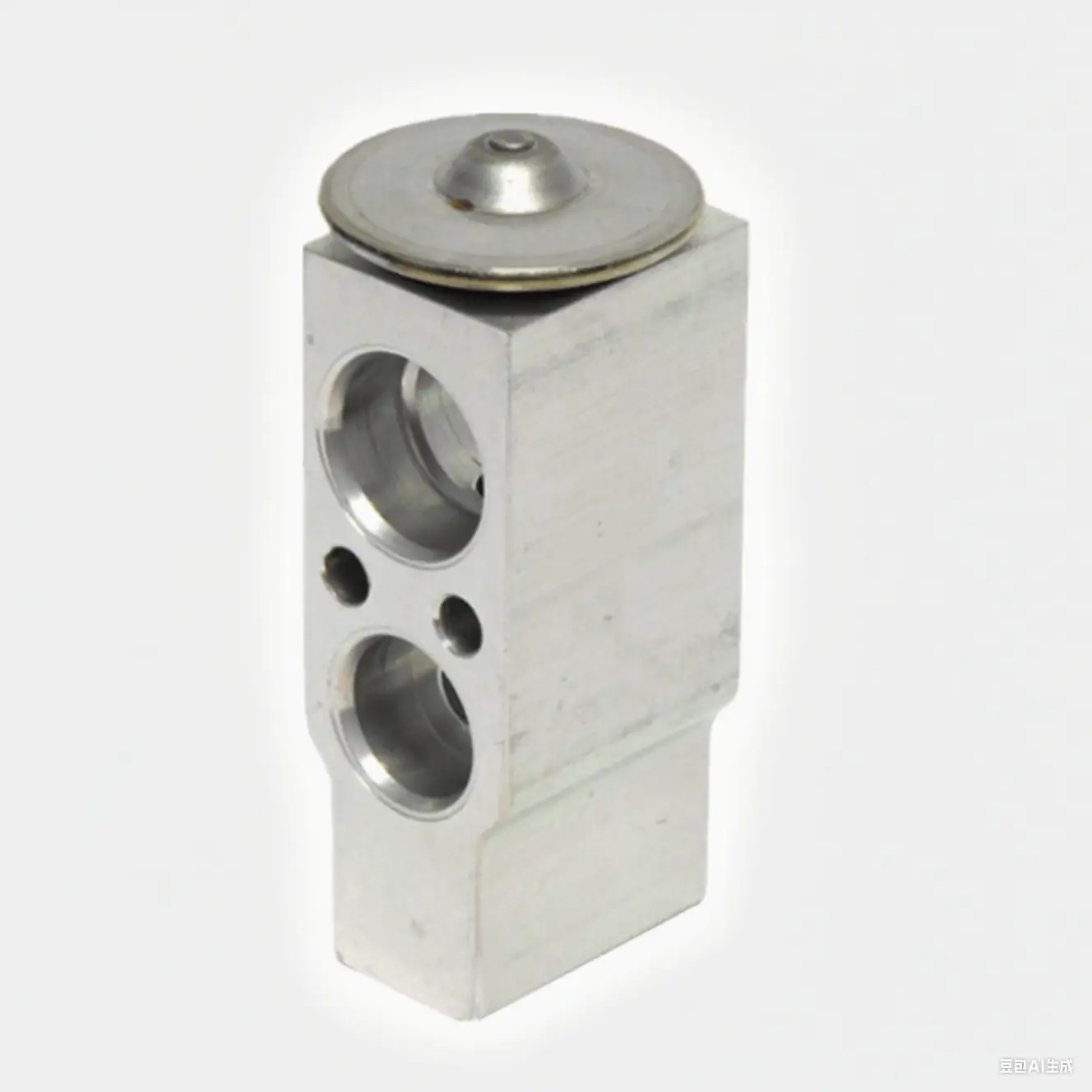
Types of Expansion Valves
There are different types of expansion valves used in automotive A/C systems, each with its own specific features and functions. Let's explore some of the common types:
1. Thermal Expansion Valve (TXV)
The Thermal Expansion Valve (TXV) is the most common type used in automotive systems. It uses a thermal sensor mounted on the evaporator to monitor temperature and adjust the refrigerant flow accordingly. TXVs are known for their accuracy and ability to provide optimal control of refrigerant flow.
2. Electronic Expansion Valve (EEV)
Electronic Expansion Valves (EEVs) are becoming more popular in modern vehicles with digital HVAC systems. EEVs are controlled electronically using sensors and a microcontroller, offering more precise control over refrigerant flow. These valves are commonly used in high-end vehicles with complex climate control systems.
| Type of Valve |
Function |
Common Uses |
| Thermal Expansion Valve (TXV) |
Uses temperature sensors to regulate refrigerant flow |
Common in older and mid-range vehicles |
| Electronic Expansion Valve (EEV) |
Uses electronic controls for precise refrigerant regulation |
Found in modern, digital HVAC systems |
Signs of a Malfunctioning Expansion Valve
A malfunctioning expansion valve can cause a variety of issues in your vehicle’s A/C system, including inconsistent cooling, freezing, or insufficient airflow. Here are some signs that your expansion valve might need attention:
1. Poor Cooling Performance
If your car’s A/C system isn’t cooling effectively, the expansion valve could be failing to regulate refrigerant flow properly. This can lead to either too little refrigerant reaching the evaporator or too much refrigerant entering, preventing the system from cooling the air properly.
2. Frozen Evaporator Coil
If the refrigerant is allowed to flow too freely, it may cause the evaporator to freeze. This can lead to ice buildup, which obstructs airflow and reduces cooling efficiency. A malfunctioning expansion valve might fail to control refrigerant flow, resulting in this problem.
3. Hissing or Clicking Noises
Unusual sounds like hissing or clicking could indicate that the expansion valve is sticking or leaking. This could be a sign of wear and tear, or that the valve is not opening and closing correctly to control refrigerant flow.
Conclusion: Importance of Expansion Valve Parts in Car A/C Systems
In conclusion, the expansion valve is a crucial component of your vehicle’s air conditioning system. It controls refrigerant flow, regulates pressure, and ensures the efficient operation of the A/C system. By understanding the key components of the expansion valve, its function, and how it affects your car's comfort, you can better diagnose potential issues and ensure your vehicle’s A/C system remains in optimal working condition.
Regular maintenance and timely repairs of expansion valve parts are essential for keeping your vehicle’s HVAC system running smoothly and ensuring a comfortable driving experience. Whether you need to replace a faulty part or simply learn more about your A/C system, understanding the components and function of the expansion valve is key.