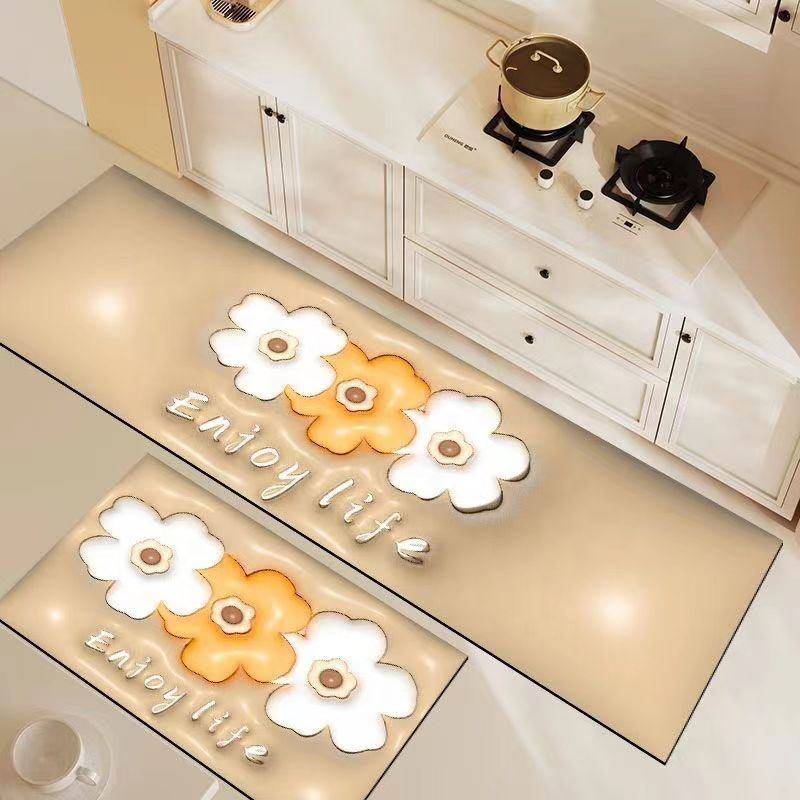

The kitchen is often the heart of the home, and it should reflect both style and functionality. While tile and hardwood are popular choices, kitchen carpets offer distinct advantages. They provide warmth, comfort, and sound insulation, which are essential for a cozy and welcoming environment. A kitchen carpet can also enhance the aesthetic appeal of the space, adding color and texture to complement your overall décor.
Before diving into the types of kitchen carpets available, there are several factors to consider to ensure you choose the right one:
Durability: Kitchen carpets must withstand heavy foot traffic and regular cleaning. Choose a carpet that is strong enough to handle the hustle and bustle of a busy kitchen.
Moisture Resistance: Kitchens are prone to spills and splashes. Opt for carpets made from materials that resist moisture absorption.
Stain Resistance: Because food and drinks are often spilled in kitchens, stain-resistant carpets are essential for maintaining a clean appearance.
Ease of Cleaning: A kitchen carpet should be easy to maintain, with a material that can be vacuumed or spot-cleaned without hassle.
| Material | Pros | Cons |
|---|---|---|
| Nylon | Durable, stain-resistant, easy to clean | Can be more expensive than polyester |
| Polyester | Soft, affordable, stain-resistant | Less durable than nylon |
| Wool | Luxurious, resilient, excellent soundproofing | Expensive, requires more maintenance |
| Cotton | Soft, eco-friendly | Absorbs moisture, prone to mildew |
Different types of carpets offer various benefits. Let’s break down the best options for your kitchen:
Nylon is a popular choice for kitchen carpets due to its durability and stain resistance. It is one of the strongest synthetic fibers available and is highly resistant to wear and tear, making it ideal for high-traffic areas like kitchens. Nylon also resists moisture absorption, which helps prevent mold and mildew buildup.
Polyester is another excellent choice for kitchen carpets. It’s affordable, soft, and available in a wide variety of colors and designs. Polyester carpets are known for their stain resistance, especially when treated with a stain-resistant finish. However, it may not be as durable as nylon, so it’s best for lower-traffic kitchen areas.
Wool is a natural fiber known for its luxurious feel and durability. Wool carpets are highly resilient and resistant to dirt and stains. They also offer excellent sound insulation, making them a great option for kitchens where noise reduction is a priority. While wool carpets are more expensive, they are a long-lasting investment and provide a comfortable, warm surface for your kitchen.
Maintenance Tips for Kitchen Carpets
| Maintenance Tip | Frequency | Benefits |
|---|---|---|
| Vacuum Regularly | Weekly | Removes dirt and debris, maintains appearance |
| Spot Clean Spills | As needed | Prevents stains from setting |
| Professional Cleaning | Every 6-12 months | Deep cleans and restores carpet’s appearance |
While there are several great options for kitchen carpets, some materials are not suitable for this high-traffic, spill-prone area:
Cotton is absorbent and can easily retain moisture, making it prone to mold and mildew growth in the kitchen. Additionally, cotton carpets are more difficult to clean and maintain, especially with frequent spills.
Silk carpets are luxurious, but they are not durable enough for the kitchen. They are sensitive to stains, moisture, and wear, which makes them impractical for a high-use space like the kitchen.
Carpets made from low-quality synthetic fibers may be cheap but tend to wear out quickly in high-traffic areas. These materials also tend to absorb stains and dirt, which can make them difficult to maintain in a kitchen setting.
Carpet Size Guide for Kitchens
| Kitchen Size | Recommended Carpet Size |
|---|---|
| Small Kitchen | 5x7 ft |
| Medium Kitchen | 6x9 ft |
| Large Kitchen | 8x10 ft or larger |
Once you've chosen the right carpet for your kitchen, it’s important to keep it in good condition. Here are some maintenance tips:
Vacuum your kitchen carpet regularly to remove dirt and debris. Regular cleaning prevents dirt buildup and helps maintain the carpet's appearance. Make sure to use a vacuum with a brush roll to lift dirt from the carpet fibers.
Immediate cleaning of spills is key to preventing stains. Use a cloth to blot the spill, and follow up with a mild cleaning solution to remove any remaining residue. Avoid rubbing, as this can spread the stain.
Every 6-12 months, have your kitchen carpet professionally cleaned. Professional cleaners use deep-cleaning methods that remove dirt and stains that regular vacuuming cannot.
Before making a final decision, it’s important to weigh the pros and cons of installing a carpet in your kitchen:
| Pros | Cons |
|---|---|
| Provides warmth and comfort | Can be difficult to clean spills quickly |
| Enhances the aesthetic appeal of the space | Susceptible to wear and tear over time |
| Offers noise reduction in a busy kitchen | Needs regular maintenance to stay clean |
| Available in a wide variety of designs | Might not be as durable as hard flooring |
When selecting a carpet for your kitchen, it’s important to consider your budget. While high-quality materials such as wool can be more expensive, synthetic fibers like nylon and polyester are more affordable options. Additionally, consider the cost of installation, underlay, and regular maintenance when setting your budget.
Choosing the right carpet for your kitchen can transform your space into a more comfortable, stylish, and practical area. Whether you opt for a durable nylon carpet or a luxurious wool option, the key is to select a material that can withstand moisture, heavy foot traffic, and spills. With the right maintenance, your kitchen carpet will not only enhance the look of your space but also provide long-lasting comfort for years to come.