What Are Prayer Rugs?
Prayer rugs are mats specifically designed for Islamic worship. They are portable, soft, and easy to carry. Most rugs are rectangular, designed for one person. Using a prayer rug symbolizes respect and cleanliness during prayer.
Materials Used in Prayer Rugs
Prayer rugs come in different materials, each with unique benefits:
| Material |
Features |
| Wool |
Soft, warm, durable, luxurious |
| Cotton |
Lightweight, breathable, easy to clean |
| Synthetic |
Affordable, stain-resistant, long-lasting |
| Silk |
Smooth, elegant, decorative use |
Wool and silk are preferred for comfort and aesthetics. Cotton and synthetic rugs are practical for daily prayers.
Common Designs and Patterns
Prayer rugs often display mosque motifs, geometric shapes, floral designs, and Qibla indicators. The niche or arch design shows the direction of Mecca. Patterns help worshippers align correctly. Many rugs have colorful borders and intricate textures.
Sizes and Shapes of Prayer Rugs
Sizes vary to meet different needs:
| Size |
Recommended Use |
| 60 x 100 cm |
Individual daily prayers |
| 70 x 120 cm |
Adults, extra comfort |
| 100 x 150 cm |
Family or shared prayer sessions |
Some rugs are small for travel or children. Larger rugs give adults more room. Thickness ranges from 5mm to 15mm for comfort on hard floors.
Benefits of Using Prayer Rugs
Prayer rugs provide cleanliness, comfort, and spiritual focus. They protect clothing from dust and dirt. The soft surface eases pressure on knees and feet. They also help create a dedicated prayer space, improving discipline and routine.
How to Choose the Right Prayer Rug\uFF1F
Consider the following when selecting a prayer rug:
-
Material – Choose wool, cotton, silk, or synthetic based on comfort and maintenance.
-
Size – Ensure the rug fits your body and prayer style.
-
Design – Pick patterns that inspire focus and devotion.
-
Portability – Foldable rugs are ideal for travel.
-
Durability – Strong fabrics ensure the rug lasts for years.
- Caring for Prayer Rugs
Cleaning is simple. Shake out dust, vacuum lightly, or spot clean stains. Avoid harsh chemicals to protect colors and fibers. Proper care extends the rug’s life and maintains softness.
History of Prayer Rugs
Prayer rugs have existed for centuries. They originated in the Middle East and spread globally. Handmade rugs were first produced in Persia, Turkey, and Central Asia. Historically, rugs reflected local artistic styles and spiritual symbolism.
Regional Styles
Different regions have unique designs:
| Region |
Features |
| Turkish |
Geometric patterns, bold colors |
| Persian |
Intricate floral motifs, high-quality wool |
| Moroccan |
Thick pile, tribal patterns |
| Indian |
Colorful designs, embroidered details |
Each style offers aesthetic and spiritual value. People often select rugs based on tradition or personal taste.
Modern Trends
Today, prayer rugs come in contemporary designs. Travel-friendly, foldable rugs are common. Synthetic materials are popular for affordability and easy cleaning. Some rugs feature custom prints and bright colors.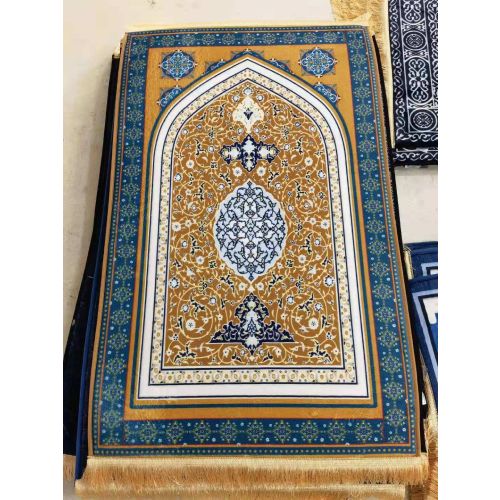
DIY and Custom Rugs
Many worshippers choose custom-made prayer rugs. Personalized sizes, patterns, and colors make the rug unique. Handmade rugs can include embroidered names or special motifs. This adds sentimental and decorative value.
Common Mistakes in Using Prayer Rugs
Some users place the rug incorrectly. Always align with the Qibla. Avoid stepping on the rug with shoes. Do not place rugs in dirty or high-traffic areas. Proper care ensures the rug remains respectful and clean.
Buying Guide
When buying a prayer rug, consider:
-
Material quality and comfort
-
Rug size and thickness
-
Design and pattern
-
Portability and foldability
-
Budget and durability
Check the rug’s stitching and edge finishing. High-quality rugs retain shape and color for years.
Prayer Rugs for Children
Children’s rugs are smaller and playful. They help teach proper prayer habits. Cute designs make the experience enjoyable. Soft textures protect young knees and feet.
Decorating with Prayer Rugs
Prayer rugs also serve decorative purposes. Place rugs in prayer corners or rooms for a spiritual touch. Pair with cushions or small mats for comfort. The rug enhances room aesthetics while keeping functionality.
Spiritual and Cultural Significance
Prayer rugs symbolize devotion, cleanliness, and respect. Families often pass handmade rugs through generations. Each rug can carry religious and cultural value. They reflect artistry, tradition, and faith.
Conclusion
A prayer rug is essential for Muslim worship. It provides comfort, cleanliness, and focus. Rugs vary in material, design, and size to meet personal needs. Handmade and custom rugs add beauty and spiritual significance. Using a prayer rug enhances both daily devotion and home aesthetics.We are here to help\uFF01