Understanding the Pet Apparel Market
Before launching your business, research the market carefully. Identify customer needs, current trends, and target groups. Pet owners look for high-quality, safe, and comfortable clothing. Many also seek fashion-forward designs for holidays or outdoor events. Analyze your competitors and find gaps in their offerings. Understanding what customers want helps you design better products and position your brand effectively.
Defining Your Business Concept
A clear business concept gives your brand direction. Decide whether to focus on dogs, cats, or both. You may choose luxury designs, functional winter wear, or fun seasonal costumes. Your niche determines your materials, pricing, and marketing style. Create a unique identity that reflects your vision and connects emotionally with pet owners.
Common Niches in Pet Apparel Industry
| Niche Type |
Target Audience |
Product Example |
| Luxury Wear |
Urban pet owners |
Designer coats |
| Functional Gear |
Active pets |
Waterproof jackets |
| Seasonal Outfits |
Festive shoppers |
Halloween costumes |
| Eco-Friendly |
Green consumers |
Recycled fabric tees |
Creating a Business Plan
A business plan helps structure your goals. Include details about your target market, pricing, budget, and sales strategy. Plan production and distribution in advance. Decide if you\u2019ll sell online, in pet stores, or both. A well-defined plan helps you secure investment and stay organized during startup.
Designing and Producing Pet Clothing
Design is the heart of your business. Focus on comfort, safety, and fit. Choose soft, breathable, and durable materials. Measure pets accurately to ensure a perfect fit. Add unique prints or embroidery to make your clothing stand out. Work with reliable suppliers and factories to maintain consistent quality in your Pet Apparel production.
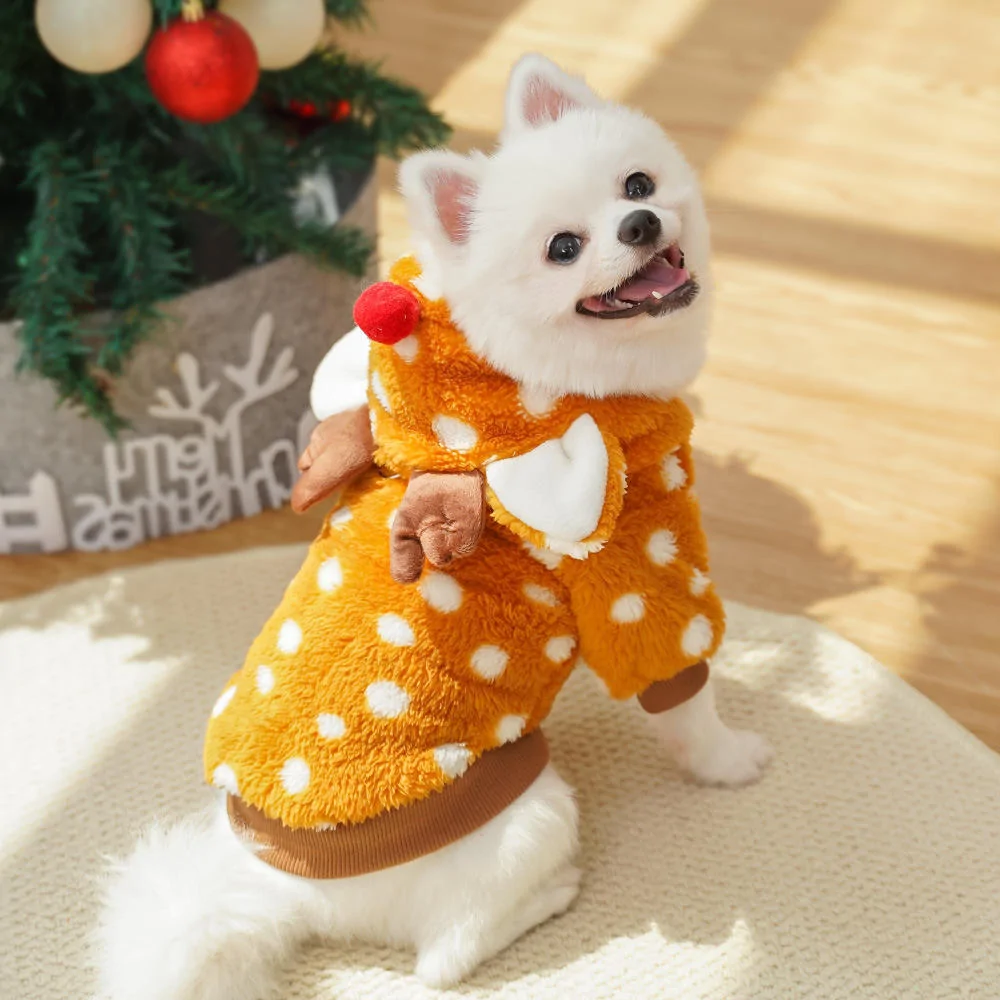
Choosing Quality Materials
High-quality fabrics increase product value and customer satisfaction. Use cotton for summer wear and fleece or polyester for winter outfits. Avoid toxic dyes or materials that may irritate pets\u2019 skin. Test each material for durability before large-scale production.
Recommended Materials for Pet Clothing
| Fabric Type |
Season |
Key Benefits |
| Cotton |
Summer |
Breathable and soft |
| Fleece |
Winter |
Warm and comfortable |
| Polyester |
All seasons |
Durable and lightweight |
| Nylon |
Rainy season |
Water-resistant |
Building a Brand Identity
Brand identity helps your business stand out. Choose a catchy name, design a memorable logo, and maintain consistent packaging. Use warm colors and images that reflect the joy pets bring. Communicate your values through every product, whether it\u2019s comfort, sustainability, or style. A strong identity builds trust and loyalty among customers.
Setting Up an Online Store
An online store allows you to reach global customers easily. Use clear product photos, detailed descriptions, and accurate sizing charts. Offer secure payment options and fast shipping. Add a blog or social media links to share pet fashion tips and connect with your audience.
Marketing Your Pet Apparel Brand
Marketing drives your business growth. Use social media platforms to showcase your products through engaging photos and videos. Collaborate with pet influencers to reach more pet lovers. Offer discounts for first-time buyers or special holiday promotions. Consistent marketing increases visibility and attracts loyal customers.
Effective Marketing Strategies for Pet Apparel
| Strategy |
Platform |
Benefit |
| Social Media Ads |
Instagram, Facebook |
Boost brand visibility |
| Influencer Collaboration |
TikTok, YouTube |
Reach pet lovers quickly |
| Email Campaigns |
Website subscribers |
Keep customers updated |
| Blog Content |
Company site |
Improve SEO ranking |
Managing Inventory and Logistics
Efficient inventory management keeps your business running smoothly. Track stock levels to avoid overproduction or shortages. Use digital tools to manage orders and shipments. Work with reliable couriers to ensure timely delivery. Good logistics create a better customer experience and encourage repeat purchases.
Ensuring Product Safety and Comfort
Pet safety should always come first. Avoid sharp accessories or loose parts. Use breathable fabrics and ensure all fasteners are secure. Test your products with different pets before launching. This ensures comfort and builds trust with your buyers.
Setting Pricing and Profit Margins
Pricing affects your competitiveness and profitability. Consider material cost, production fees, and shipping expenses. Compare market prices and adjust according to quality and brand positioning. Offer multiple product ranges to reach both budget and premium buyers.
Expanding Your Pet Apparel Business
Once your business stabilizes, consider expanding your product line. Add pet accessories like leashes, collars, or hats to complement your clothing line. You can also explore wholesale opportunities or collaborate with international retailers. Expansion helps strengthen your brand presence.
Customer Service and Feedback
Excellent customer service builds long-term relationships. Respond quickly to questions and handle returns professionally. Ask for feedback and use it to improve your designs and services. Happy customers often share their experiences, bringing in more buyers through word-of-mouth.
Sustainability and Future Trends
Sustainability is becoming a major trend in the Pet Apparel industry. Use eco-friendly materials and ethical production practices. Recycled fabrics, organic cotton, and minimal packaging attract environmentally conscious consumers. Following trends keeps your brand relevant and appealing.
Conclusion
Starting a pet apparel business requires creativity, planning, and persistence. From market research to production and marketing, each step is vital to your success. Focus on quality, comfort, and style to build a loyal customer base. Stay flexible, follow market changes, and continue improving your products. If you are ready to explore opportunities in Pet Apparel, welcome to inquiry and begin your journey in this exciting industry.