Why Choose Faux Cowhide Rugs?
Faux cowhide rugs are affordable compared to real hides. They are also durable, easy to clean, and resistant to stains. Unlike genuine leather, synthetic fibers used in faux rugs do not crack easily. A faux cowhide rug also gives flexibility in design because you can select from a variety of prints. They bring elegance to living rooms, bedrooms, or offices without harming animals.
To create your own rug, gather the following:
-
Fabric base (felt, faux leather, or heavy cloth)
-
Paint or fabric dye for patterns
-
Brushes or stencils for designs
-
Scissors for shaping edges
-
Non-slip backing for safety
-
Adhesive spray or fabric glue
These simple items allow you to design a custom faux cowhide rug.
Step-by-Step Guide to Making a Faux Cowhide Rug
Step 1: Choose the Fabric Base
Pick durable fabric that mimics leather or hide texture. Felt is soft and affordable, while faux leather offers a more realistic look.
Step 2: Sketch the Rug Shape
Use chalk or pencil to outline the shape. Cowhide rugs usually have irregular edges. Avoid perfect lines to achieve a natural look.
Step 3: Cut the Fabric
Cut along the outline using sharp scissors. Trim carefully to avoid fraying. A free-flowing shape enhances the realistic appearance of the faux cowhide rug.
Step 4: Add Patterns
Apply paint or dye to mimic cowhide spots. Use black, brown, or white tones for a natural effect. Stencils can help with consistent shapes, but freehand painting creates a more authentic design.
Step 5: Attach the Non-Slip Backing
Glue or stitch the non-slip material to the underside of the rug. This ensures stability when placed on floors.
Step 6: Final Touches
Allow the paint to dry completely before use. Brush the fabric lightly to keep the surface soft.
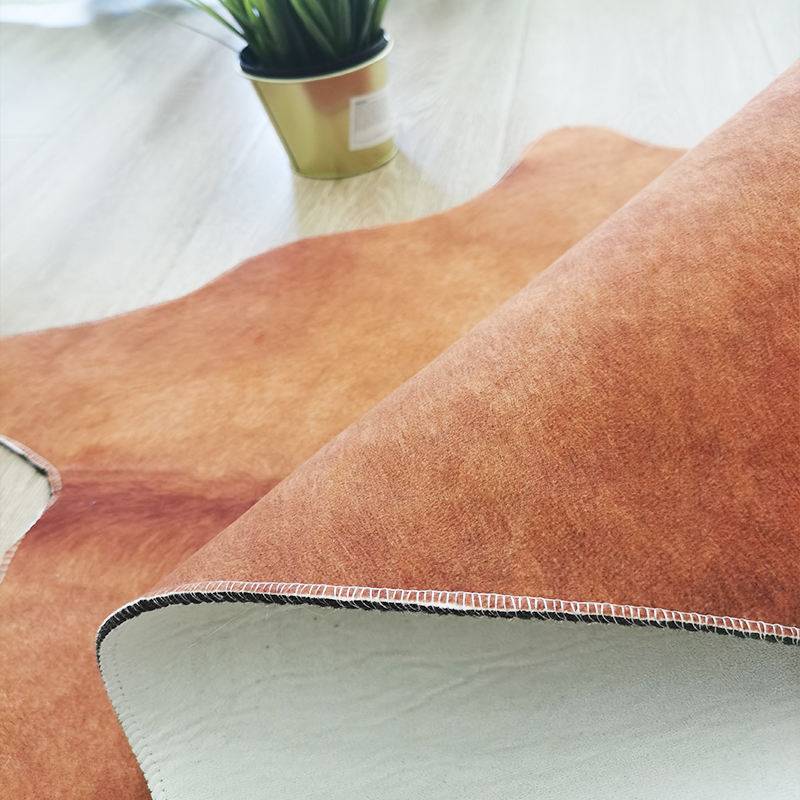
Benefits of DIY Faux Cowhide Rugs
Making your own faux cowhide rug saves money and adds creativity to your space. It allows customization to match home décor. DIY rugs also serve as great gifts and conversation pieces.
Styling Ideas with Faux Cowhide Rugs
Faux cowhide rugs can enhance different interior styles. In rustic spaces, they highlight wooden furniture. In modern homes, they add contrast to sleek lines. They also fit well in eclectic designs with layered textiles.
Maintenance of Faux Cowhide Rugs
These rugs require simple care. Shake off dust regularly. Use a vacuum with a gentle brush attachment. For stains, wipe with mild soap and water. Avoid harsh chemicals to preserve the fibers.
Comparison: Faux Cowhide Rugs vs. Real Cowhide Rugs
| Feature |
Faux Cowhide Rug |
Real Cowhide Rug |
| Price |
Affordable |
Expensive |
| Animal Use |
None |
Requires animal hide |
| Durability |
High with care |
Very durable |
| Design Options |
Unlimited colors/patterns |
Limited to natural colors |
| Maintenance |
Easy to clean |
Requires special care |
Environmental Benefits of Faux Cowhide Rugs
Faux cowhide rugs are eco-friendly compared to real hides. They reduce the demand for animal farming used in leather production. Many synthetic fibers are recyclable, making them a sustainable choice.
Common Mistakes When Making a Faux Cowhide Rug
-
Cutting edges too straight
-
Overloading paint, causing stiff texture
-
Ignoring non-slip backing
-
Using low-quality glue that peels off
Avoid these errors to achieve the best result.
Tips for Customizing Faux Cowhide Rugs
Experiment with bold colors like blue, red, or gold. Add metallic highlights for a modern touch. Use multiple fabric layers for texture. You can even create miniature versions for table décor.
Faux Cowhide Rugs in Different Spaces
Living Room
Place the rug under a coffee table to anchor the seating area.
Bedroom
Use it beside the bed for warmth underfoot.
Office
Add it to your study to bring a touch of elegance.
Entryway
Create a bold statement for guests entering your home.
The Popularity of Faux Cowhide Rugs
Faux cowhide rugs are trending worldwide due to their unique appeal. They combine rustic tradition with modern convenience. Many interior designers recommend them as versatile decorative accents.
DIY vs. Buying Ready-Made Faux Cowhide Rugs
| Option |
Advantages |
Disadvantages |
| DIY Rug |
Customizable, affordable, fun |
Requires time and effort |
| Ready-Made |
Instant use, professional finish |
Less personal customization |
Final Thoughts on Making a Faux Cowhide Rug
Creating a faux cowhide rug is simple and rewarding. With basic tools and creativity, you can design a unique floor covering for your home. These rugs are practical, stylish, and eco-friendly. Whether you make one yourself or purchase a ready-made version, a faux cowhide rug adds charm, comfort, and character to any space.