What is the Average Speed of an Electric Bike?
The speed of an electric bike typically ranges from 15 to 28 mph (24 to 45 km/h). However, this can differ based on several key factors. E-bikes designed for urban commuting or light recreational use usually have lower speeds, while more powerful models, including those designed for off-roading or high-performance use, can achieve higher speeds.
-
Entry-Level E-Bikes: Most entry-level e-bikes with 250W motors have a speed range of about 15 to 20 mph (24-32 km/h).
-
Mid-Range E-Bikes: E-bikes with 500W motors typically have a top speed of 20 to 28 mph (32-45 km/h).
-
High-Performance E-Bikes: 750W motors or larger motors can exceed speeds of 28 mph (45 km/h), especially in optimal conditions.
Understanding the factors that influence speed will allow you to better evaluate which type of e-bike suits your needs.
The Role of Motor Power in E-Bike Speed
The motor power is one of the most significant contributors to the top speed of an e-bike. Motors range from 250W to 750W, and the motor’s power directly impacts both the speed and the bike's acceleration.
-
250W Motor: This is the most common motor used in e-bikes, especially for urban commuting. These motors are limited to a maximum speed of 20 mph (32 km/h) as per legal regulations in many regions.
-
500W Motor: E-bikes equipped with 500W motors are popular for riders seeking a balance between performance and efficiency. These bikes can reach speeds of 28 mph (45 km/h) under the right conditions.
-
750W and Above: These high-powered motors are typically found in e-bikes used for off-roading or long-distance commuting, and can reach speeds exceeding 28 mph (45 km/h), depending on terrain and other factors.
Choosing the right motor for your e-bike depends on how fast you want to travel and what type of riding you plan to do.
How Battery Capacity Affects E-Bike Speed?
Battery capacity plays a dual role in determining both the range and performance of an electric bike. The larger the battery, the more energy the motor has to draw from, allowing the bike to maintain higher speeds for longer periods.
-
Battery Voltage: E-bikes with 48V or 52V batteries tend to deliver higher speeds and a more consistent performance than those with 36V batteries.
-
Amp Hour (Ah): The Ah rating of a battery indicates how much energy it can store. A larger Ah rating means more power to maintain high speeds over long distances.
For example, e-bikes with 48V 14Ah batteries provide enough power to sustain a higher maximum speed and extend the range.
Legal Speed Limits for Electric Bikes
One crucial aspect to keep in mind is the legal regulations regarding e-bike speeds in your area. In many countries, electric bikes are classified based on their maximum speed.
-
Class 1: Pedal-assist only, max speed 20 mph (32 km/h).
-
Class 2: Throttle-assist only, max speed 20 mph (32 km/h).
-
Class 3: Pedal-assist only, max speed 28 mph (45 km/h).
Understanding these classifications is important because riding an e-bike beyond the speed limits can result in fines or the bike being classified as a motor vehicle.
Terrain and Its Impact on E-Bike Speed
Your riding terrain plays a pivotal role in how fast your e-bike can go.
-
Flat Roads: On smooth, flat terrain, your e-bike can reach its maximum speed, typically between 20 and 28 mph depending on motor power.
-
Inclines: Hills and steep inclines will reduce the speed, especially on e-bikes with smaller motors. However, powerful motors (500W or above) can maintain higher speeds even on inclines.
-
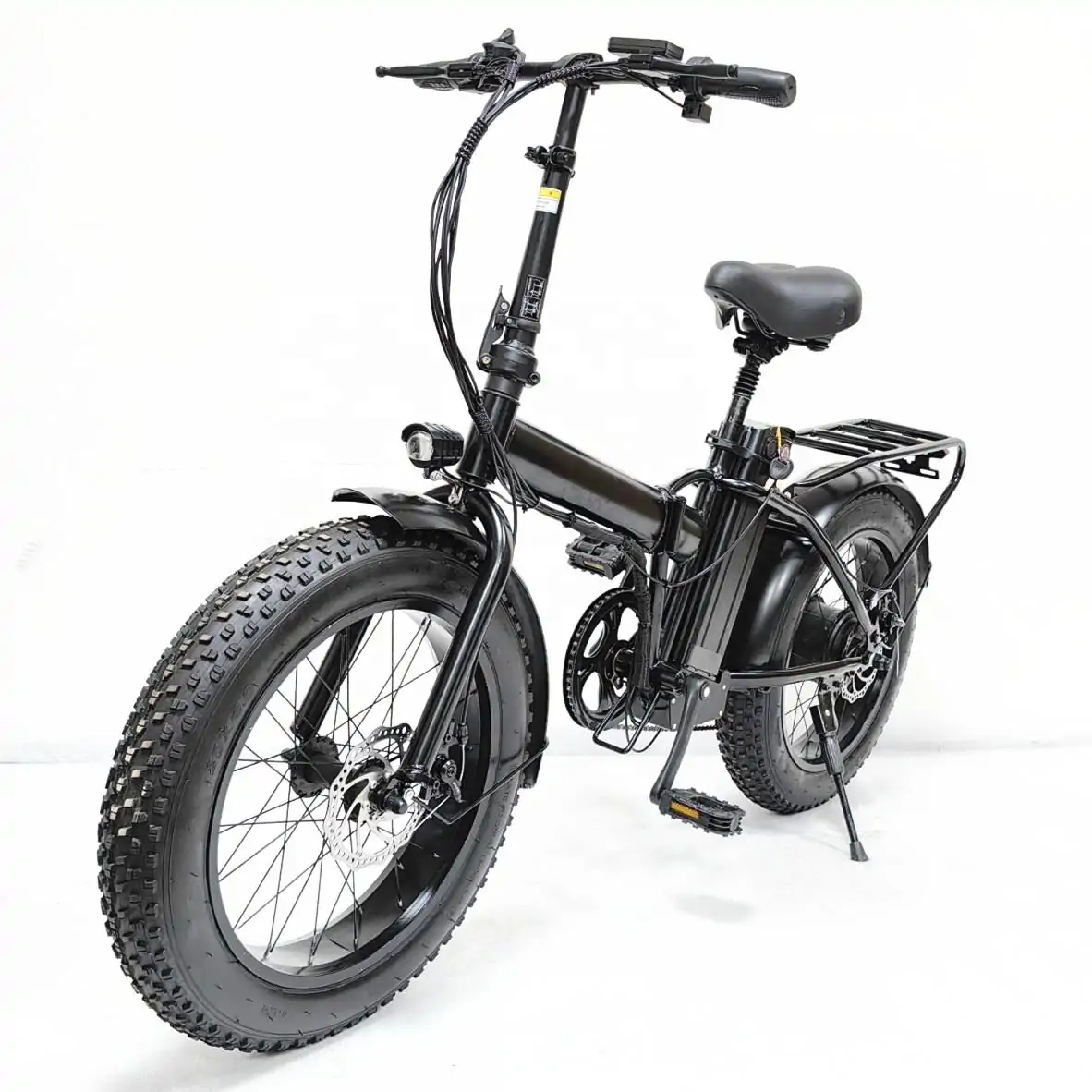
Off-Road Terrain: When riding on rough, uneven paths, such as dirt trails, gravel, or sand, the e-bike will experience more resistance, thus reducing its speed.
Thus, for those planning to ride primarily on hilly or off-road terrains, choosing an e-bike with higher motor power is essential.
Rider's Weight and Riding Style
The weight of the rider directly impacts the e-bike's speed. Heavier riders require more power to achieve the same speeds, especially when climbing hills. Moreover, a rider's riding style (how they engage the pedal-assist or throttle) can influence the bike's overall performance. Pedal-assist helps maintain a consistent speed, while using the throttle more frequently can increase the bike’s speed but consume more battery.
Maximizing Your E-Bike's Speed
To get the most out of your electric bike, follow these tips to maximize its speed and efficiency:
-
Use Pedal-Assist Properly: Maintain a steady cadence to ensure the motor is working optimally and efficiently.
-
Optimize Tire Pressure: Ensure that your tires are properly inflated, as under-inflated tires create more resistance, reducing your speed.
-
Reduce Excess Weight: Minimize unnecessary cargo or accessories to improve your bike’s overall performance.
-
Maintain Your E-Bike: Regularly check your e-bike for mechanical issues, especially the brakes and drivetrain, to avoid slowdowns.
By maintaining your bike and riding it efficiently, you can ensure that you are getting the best performance from it.
Motor Power and Speed Performance
| Motor Power |
Typical Speed |
Use Case |
| 250W |
20 mph (32 km/h) |
Commuting, leisure |
| 500W |
28 mph (45 km/h) |
Commuting, light off-roading |
| 750W |
28+ mph (45+ km/h) |
Off-roading, high-performance |
Battery Capacity and Range
| Battery Capacity |
Range |
Speed |
| 36V 10Ah |
20-30 miles |
15-20 mph |
| 48V 14Ah |
40-50 miles |
20-28 mph |
| 52V 20Ah |
50-60 miles |
28+ mph |
Terrain and E-Bike Performance
| Terrain Type |
Impact on Speed |
| Flat Roads |
Max Speed |
| Hilly Terrain |
Speed Reduction |
| Off-road Paths |
Speed Reduction |
Conclusion: Maximize Your E-Bike’s Potential
In conclusion, the speed of electric bikes can vary widely, from 15 mph on entry-level models to 28 mph or higher on high-performance models. Key factors influencing speed include motor power, battery capacity, terrain, and rider weight. To get the best performance from your e-bike, choose the right motor and battery based on your needs, maintain your bike regularly, and be aware of local speed regulations.
For any further questions or to explore our full range of electric bikes, Welcome to inquiry! We offer high-quality e-bikes tailored to meet your specific requirements.