Types of Sensors in Cars
1. Engine Control Unit (ECU) Sensors
The Engine Control Unit (ECU) is the brain of your car's engine management system, and it relies heavily on sensors to make critical decisions. These sensors monitor various engine parameters like fuel flow, oxygen levels, and air intake temperature, ensuring that the engine runs efficiently.
Key Sensors Used in the ECU:
-
Oxygen Sensor: Measures the amount of oxygen in the exhaust gases to help regulate fuel injection and optimize combustion.
-
Mass Air Flow Sensor: Tracks the amount of air entering the engine to adjust the fuel mixture for optimal performance.
-
Knock Sensor: Detects engine knock (pre-detonation), adjusting ignition timing to prevent damage.
How Sensors Improve Engine Performance:
Sensors in the ECU help optimize fuel efficiency and performance by ensuring that the engine operates at its peak capacity. For example, the oxygen sensor works alongside the ECU to maintain the ideal air-fuel mixture for combustion, which helps reduce fuel consumption and emissions.
2. Safety and Security Sensors
Cars today are equipped with a variety of sensors designed to enhance safety, making driving not only more convenient but also safer. These include sensors for airbags, collision detection, and parking assistance.
Key Safety Sensors:
-
Crash Sensors: Detect the force and angle of a crash to deploy airbags when necessary.
-
Parking Sensors: Use ultrasonic waves to detect obstacles around the car, helping drivers avoid collisions when parking.
-
Blind Spot Sensors: Monitor the blind spots of the vehicle and alert the driver when another vehicle is approaching.
How Safety Sensors Protect You:
Safety sensors enhance vehicle protection by detecting potential dangers in real-time. For instance, blind spot sensors can alert the driver to vehicles approaching from behind, reducing the risk of accidents during lane changes.
3. Climate and Comfort Sensors
Modern cars also feature sensors designed to maintain a comfortable and enjoyable driving experience, from controlling cabin temperature to monitoring humidity levels.
Key Comfort Sensors:
-
Temperature Sensors: Regulate the air conditioning and heating systems, ensuring that the cabin temperature remains stable and comfortable.
-
Humidity Sensors: Help manage the vehicle’s defogging system by monitoring moisture levels inside the car.
-
Seat Occupancy Sensors: Detect if a passenger is seated to determine whether the airbag system should be activated.
How Comfort Sensors Enhance the Driving Experience:
Sensors for climate control and seat occupancy contribute to a more pleasant driving experience. They ensure the cabin is kept at the ideal temperature and help prevent fogging, providing clear visibility and comfort.
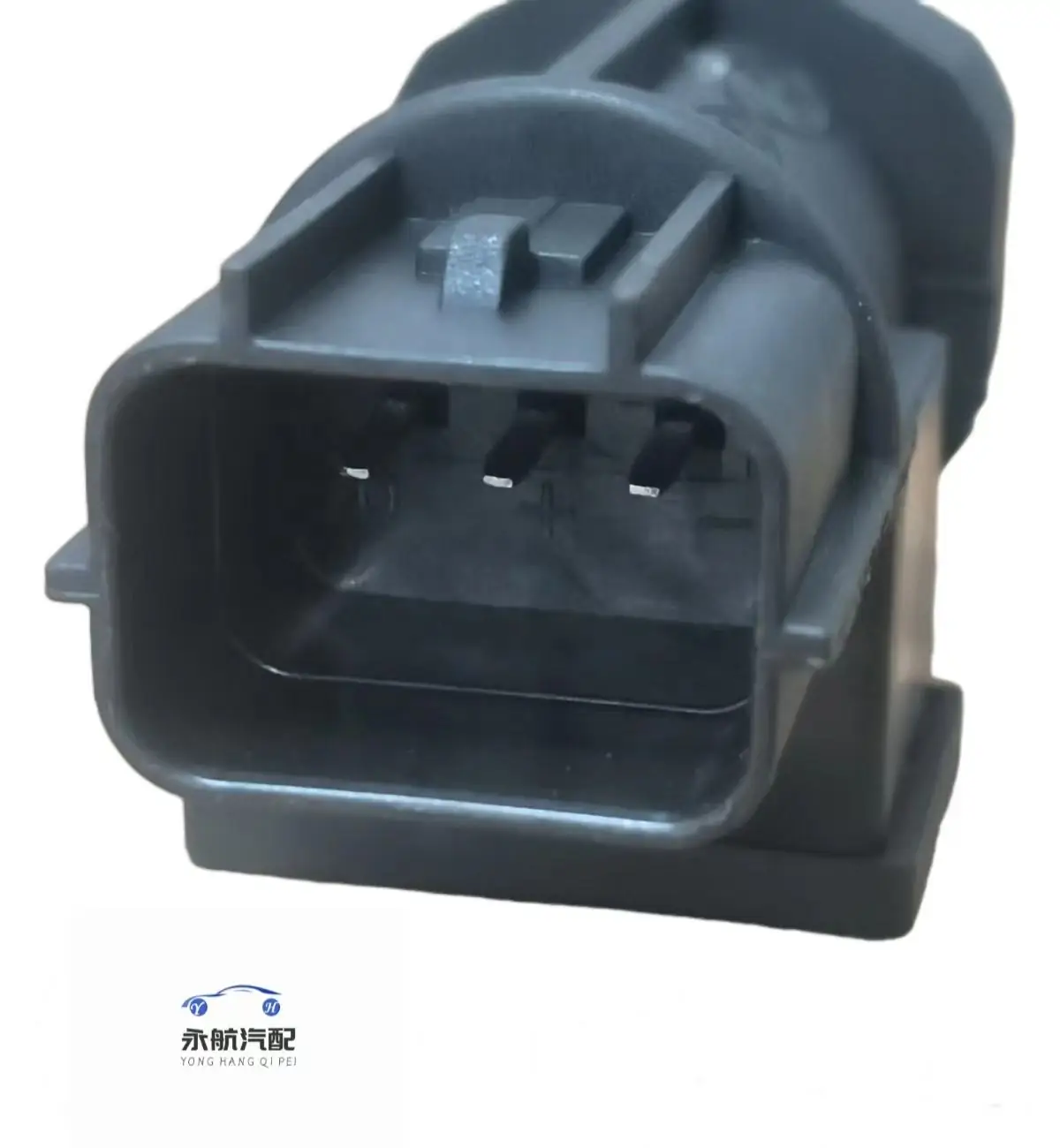
How Sensors Contribute to Vehicle Efficiency?
Fuel Efficiency and Emissions Control
The sensors in a vehicle play a critical role in monitoring fuel efficiency and emissions. The oxygen sensor, in particular, ensures that the vehicle’s combustion system is optimized, reducing the amount of unburned fuel released into the exhaust system.
Emission Control Sensors:
-
Exhaust Gas Temperature Sensor: Measures the temperature of the exhaust gases to prevent overheating and protect sensitive components.
-
NOx Sensors: Monitor the amount of nitrogen oxide in the exhaust, helping vehicles meet environmental regulations.
How These Sensors Improve Efficiency:
Sensors for fuel management and emissions control work together to optimize fuel consumption while reducing harmful emissions. This not only helps save money on fuel but also ensures that the vehicle is environmentally friendly and compliant with regulations.
4. Tire Pressure Monitoring Sensors (TPMS)
Maintaining proper tire pressure is essential for vehicle safety and efficiency. Tire Pressure Monitoring Sensors (TPMS) monitor the pressure of each tire and alert the driver when the pressure drops below the recommended level.
Benefits of TPMS Sensors:
-
Improved Fuel Efficiency: Properly inflated tires reduce rolling resistance, which helps improve fuel economy.
-
Enhanced Safety: Low tire pressure can lead to tire blowouts. TPMS ensures that tires are inflated correctly to avoid accidents.
How TPMS Improves Safety and Efficiency:
By alerting the driver to low tire pressure, TPMS prevents potential accidents caused by tire failure. It also contributes to better fuel efficiency, as under-inflated tires can significantly reduce mileage.
Tables:
| Sensor Type |
Function |
Benefit |
| Oxygen Sensor |
Measures oxygen levels in the exhaust gases. |
Optimizes fuel mixture for efficiency and reduced emissions. |
| Crash Sensor |
Detects the severity of a collision. |
Deploys airbags to reduce injury risk during accidents. |
| Parking Sensor |
Detects obstacles around the vehicle. |
Prevents collisions while parking by providing alerts. |
| Tire Pressure Sensor |
Monitors tire pressure and alerts the driver. |
Improves safety and fuel efficiency. |
| NOx Sensor |
Measures nitrogen oxide levels in exhaust gases. |
Ensures compliance with emissions regulations. |
Contact Us for More Information
If you want to learn more about the role of sensors in modern vehicles or are considering upgrading your vehicle with advanced sensors, feel free to contact us. Our team of experts is ready to help you with all your automotive sensor needs, ensuring that your vehicle runs efficiently and safely.