1. Limited Durability and Stability
Folding e-bikes often have a design that prioritizes portability over durability. The folding mechanism, while convenient, can compromise the bike's overall stability, especially when riding on rough terrains. The hinges and folding joints can become weak over time, reducing the bike's structural integrity.
Durability Comparison of Folding and Traditional E-Bikes
| Feature |
Folding E-Bike |
Traditional E-Bike |
| Frame Stability |
Moderate |
High |
| Durability of Hinges |
Prone to wear over time |
Stable |
| Long-Term Performance |
May degrade with use |
Consistently reliable |
If you plan on using your e-bike for daily commuting or more rigorous cycling, the folding mechanism may not hold up as well as a traditional, non-folding e-bike.
2. Reduced Riding Comfort
Folding e-bikes tend to have smaller frames and shorter wheelbases, which can result in a less comfortable ride. The smaller frame size can lead to a more cramped riding position, causing discomfort during long rides. Additionally, folding bikes often come with smaller wheels, which absorb less shock than larger wheels, making the ride bumpier, especially on uneven or rough surfaces.
| Feature |
Folding E-Bike |
Traditional E-Bike |
| Frame Size |
Smaller and compact |
Larger and more comfortable |
| Wheel Size |
Smaller |
Larger and more shock-absorbing |
| Riding Position |
Cramped |
More relaxed and ergonomic |
For riders who prioritize comfort, especially on longer rides, a traditional e-bike may offer a better experience.
3. Lower Power and Speed
The motors in folding e-bikes are generally less powerful compared to those found in larger, traditional e-bikes. This makes them less suitable for high-performance riding. While they can assist with pedaling, folding e-bikes may not be able to reach the same speeds or handle steep inclines as effectively as their full-sized counterparts.
If speed and power are important factors in your daily cycling, a folding e-bike may not be the most efficient option.
4. Shorter Battery Life
The compact design of folding e-bikes often results in smaller batteries. These smaller batteries provide less range compared to the larger batteries found in traditional e-bikes. If you are commuting long distances, the need for frequent charging could be a significant drawback.
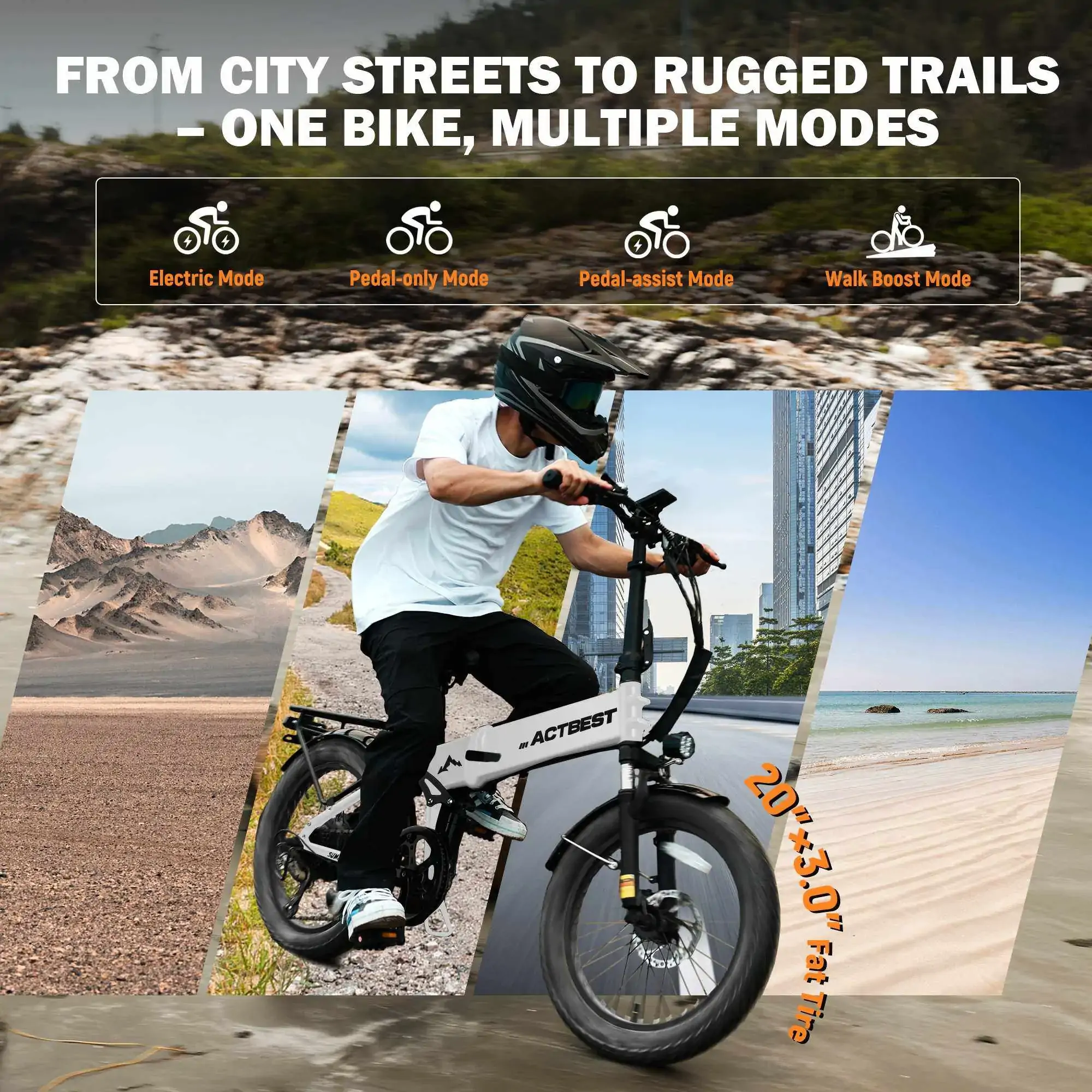
Battery Life Comparison of Folding and Traditional E-Bikes
| Feature |
Folding E-Bike |
Traditional E-Bike |
| Battery Size |
Smaller, lower capacity |
Larger, higher capacity |
| Charging Frequency |
More frequent |
Less frequent |
| Range per Charge |
Shorter |
Longer |
If you're using the e-bike for short, occasional trips, a folding e-bike may work fine. However, for longer daily commutes, the battery life may be a limitation.
5. Limited Carrying Capacity
Another disadvantage of folding e-bikes is their limited carrying capacity. The frame is designed for portability, not heavy hauling. Most folding e-bikes have smaller racks or none at all, meaning you will have fewer options for carrying bags, groceries, or other items.
Carrying Capacity Comparison
| Feature |
Folding E-Bike |
Traditional E-Bike |
| Cargo Capacity |
Limited, smaller racks |
Larger, more robust racks |
| Ease of Carrying Loads |
Less convenient |
More convenient |
If you need to carry larger items regularly, a folding e-bike may not be the most practical choice.
6. Higher Price Tag
Folding e-bikes are often priced higher than traditional bikes due to their complex folding mechanisms and compact design. The cost of engineering a bike that folds efficiently can add to the price, making folding e-bikes less affordable for some buyers. Additionally, the cost of repairs or parts replacement for these bikes may also be higher due to the specialized components.
If you are on a budget, the higher cost of a folding e-bike might make it a less attractive option.
7. More Complex Maintenance
Maintaining a folding e-bike can be more challenging than maintaining a traditional bike. The folding mechanism, in particular, requires regular checks and maintenance to ensure it functions properly. Parts such as hinges and joints can wear out and may need to be replaced over time.
Furthermore, the compact design can make it harder to find replacement parts, and repairs may need to be done by specialized technicians.
8. Limited Availability of Accessories
Since folding e-bikes are less common than traditional bikes, there is a smaller selection of accessories designed specifically for them. While you can find common accessories like helmets, lights, and locks, it may be harder to find specialized accessories like larger racks or panniers. This can limit your options for personalizing and customizing your folding e-bike.
9. Safety Concerns
Finally, folding e-bikes may pose safety risks due to their smaller wheels and lightweight design. The smaller wheels may not handle obstacles as well as larger wheels, increasing the likelihood of accidents. Additionally, if the folding mechanism becomes loose or malfunctions, it could lead to a dangerous situation while riding.
Conclusion
While folding e-bikes offer great convenience, they come with several disadvantages that may not make them the ideal choice for everyone. The limited durability, reduced comfort, shorter battery life, and other factors may make a folding e-bike less suitable for daily commuting or long-distance rides. It is essential to weigh these disadvantages against the benefits of portability and compact storage before making a decision.
If you're still unsure whether a folding e-bike is the right choice for you, welcome to contact us for personalized advice.