

When introducing a child to the world of cycling, the right bike plays a crucial role in their confidence, safety, and enjoyment. Starting with the proper kids bike ensures that children are not only excited to ride but also develop important skills safely. The right choice will also avoid frustration, making their first biking experience both positive and rewarding.
Cycling helps kids build coordination, balance, and muscle strength. Starting at a young age on the right bike can accelerate these developmental benefits and contribute to a lifetime of healthy habits. Additionally, biking is an environmentally friendly and fun way for children to explore their surroundings.
Before making a purchase, it's important to consider several factors to ensure the bike fits the child's needs and growth stage. Below are key considerations when shopping for a starter bike for kids.
One of the most crucial aspects of choosing a kids bike is ensuring the bike is the right size. A bike that is too large or too small can be difficult to ride and potentially dangerous. To determine the right size:
Measure the child’s height and inseam.
Consult size charts provided by bike manufacturers.
| Age Range | Height Range | Recommended Bike Size (Inches) |
|---|---|---|
| 2-4 years | 30-39 inches | 12 inches |
| 4-6 years | 38-48 inches | 16 inches |
| 5-8 years | 42-54 inches | 18-20 inches |
| 7-10 years | 50-58 inches | 24 inches |
Not all kids bikes are made for the same purpose. Some are designed for road riding, while others are made for off-road adventures. Consider your child’s riding style and the type of terrain they will be riding on:
Balance bikes: Best for younger children just starting out, teaching them balance and coordination before pedaling.
Cruiser bikes: Suitable for casual rides on smooth roads.
Mountain bikes: Ideal for kids who enjoy off-road trails and rough terrains.
Safety should be a top priority when selecting a kids bike. Look for bikes with features such as:
Training wheels (for beginners)
Handlebar padding
Reflectors and lights for visibility
Sturdy brakes that are easy for children to use
A good starter bike should grow with your child. Look for bikes with adjustable seats and handlebars so that they can be modified as the child grows. This feature extends the lifespan of the bike and ensures comfort for a longer period.
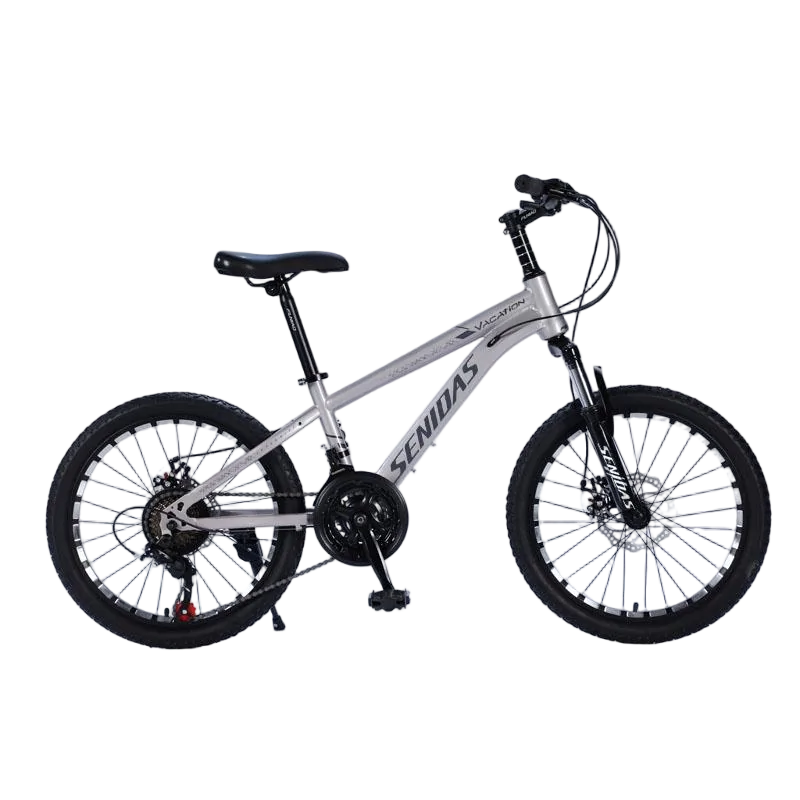
| Feature | Importance |
|---|---|
| Adjustable Seat Height | Ensures proper leg extension |
| Adjustable Handlebars | Ensures proper body position |
| Removable Training Wheels | Provides gradual transition to independent riding |
Balance bikes are perfect for children as young as 18 months. They focus on teaching kids balance and coordination before they begin pedaling.
For children transitioning to their first pedal bike, training wheels can offer the extra stability needed. Training wheels can be removed when the child gains confidence.
These bikes are best for children who have already mastered balance. At this stage, the child may have outgrown training wheels and is ready for a more independent cycling experience.
| Bike Type | Best for | Age Range |
|---|---|---|
| Balance Bike | Learning balance | 18 months-4 years |
| Pedal with Training Wheels | Transitioning to independent riding | 3-6 years |
| Pedal without Training Wheels | Independent riding | 5+ years |
Once you have the perfect bike, the next step is teaching your child to ride it. Here are a few tips for getting started:
Choose a safe location: Begin in a quiet park or open space.
Use a hands-on approach: Hold the bike steady while your child gets comfortable.
Encourage practice: Have your child practice balancing, steering, and pedaling.
When purchasing a kids bike, there are several common mistakes parents often make:
Choosing the wrong size: A bike that is too big or too small can lead to frustration and difficulty in learning.
Ignoring safety features: Always prioritize bikes with safety features like brakes and training wheels for beginners.
Buying based on looks instead of functionality: While style is important, ensure that the bike fits your child’s needs and provides the right comfort and safety.
Choosing the best starter bike for your child involves considering size, type, safety features, and adjustability. By doing so, you’ll provide a fun and safe riding experience, giving your child the skills and confidence to enjoy cycling for years to come.
Remember to assess your child’s needs, style of riding, and safety priorities when selecting a bike. For further advice, feel free to contact us, and our experts will guide you in making the right choice.