Types of Oil
Oil comes in many forms, each with specific characteristics and applications. Broadly, oils can be categorized into plant-based oils, animal-based oils, and mineral oils. Let's break down these categories and explore each type in more detail.
1. Plant-Based Oils
Plant-based oils, often referred to as vegetable oils, are extracted from seeds, nuts, or fruits. These oils are commonly used for cooking, cosmetics, and even industrial applications. Examples include olive oil, sunflower oil, and coconut oil. Each of these oils has unique properties that make it suitable for different uses.
-
Olive Oil: A staple in Mediterranean diets, olive oil is rich in healthy fats and antioxidants.
-
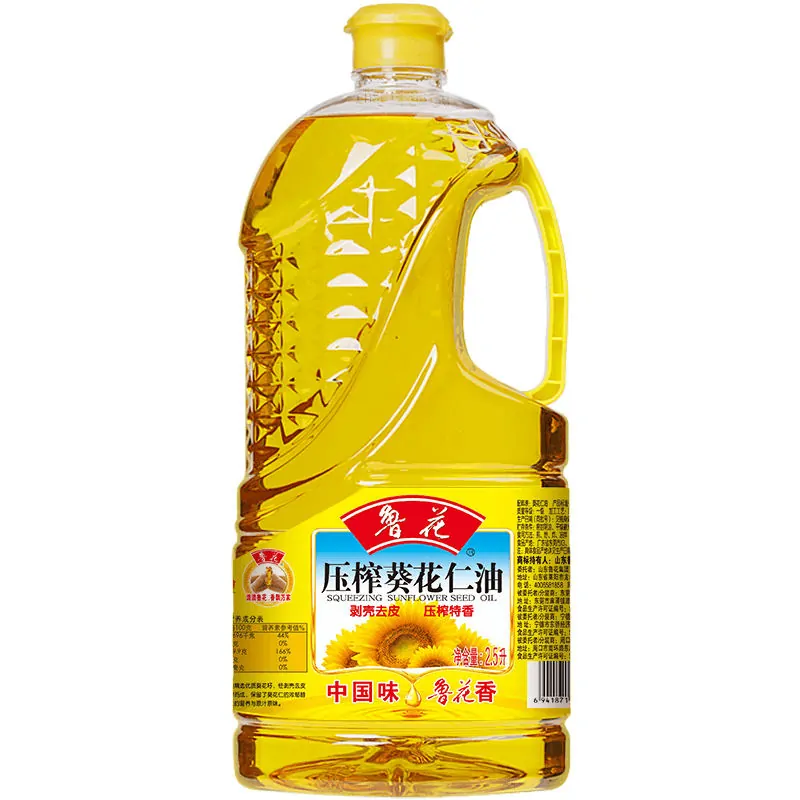
Sunflower Oil: Known for its light taste, sunflower oil is popular in cooking and frying.
-
Coconut Oil: A tropical oil rich in saturated fats, used in both cooking and skin care products.
Advantages of Plant-Based Oils:
-
High in healthy fats, like monounsaturated and polyunsaturated fats.
-
Rich in antioxidants, which help protect against cell damage.
-
Versatile use in food and beauty products.
2. Animal-Based Oils
Animal oils, derived from the fats of animals, have been used for centuries. They are found in products like butter, lard, and fish oils. These oils are often used for cooking, but they can also be found in certain pharmaceutical products and cosmetics.
-
Butter: Extracted from milk, butter is widely used for cooking and baking.
-
Lard: Rendered fat from pigs, commonly used in traditional cooking methods.
-
Fish Oil: Derived from the tissues of oily fish, it’s valued for its omega-3 fatty acids.
Advantages of Animal-Based Oils:
-
Rich in essential fatty acids, particularly omega-3s from fish oil.
-
Versatile applications, from cooking to medicinal use.
-
Provides rich flavor and texture to dishes.
3. Mineral Oils
Mineral oils are derived from crude oil and are typically used in industrial applications. These oils are not intended for consumption but are used in products such as lubricants, automotive oils, and certain medical products.
Advantages of Mineral Oils:
-
Essential for industrial operations, including manufacturing and automotive maintenance.
-
Provide smooth and efficient machinery operation.
-
Serve as a base for many cosmetic and pharmaceutical products.
The Chemical Properties of Oil
Oil is a complex substance made up of various molecules. Understanding the chemical makeup of oil is key to understanding its different properties and how it behaves in different environments.
1. Triglycerides
The primary composition of most oils, especially plant oils, consists of triglycerides. These are molecules made of three fatty acids bonded to a glycerol backbone. When oils are used in cooking, triglycerides break down and release energy.
2. Fatty Acids
Fatty acids are long chains of hydrocarbons that form the foundation of oils. These can be saturated, monounsaturated, or polyunsaturated, depending on the number of bonds between carbon atoms. For example, coconut oil is primarily made of saturated fatty acids, while olive oil is rich in monounsaturated fats.
3. Hydrocarbons
Mineral oils, such as motor oil, consist primarily of hydrocarbons—long chains of hydrogen and carbon atoms. These oils serve as lubricants and fuels due to their ability to reduce friction and provide energy when combusted.
Comparison of Oil Types
| Oil Type |
Source |
Common Uses |
Composition |
| Plant-Based Oils |
Seeds, nuts, fruits |
Cooking, cosmetics, industrial uses |
Triglycerides, fatty acids |
| Animal-Based Oils |
Animals (e.g., milk) |
Cooking, pharmaceuticals, cosmetics |
Saturated fats, omega-3s |
| Mineral Oils |
Crude oil (petroleum) |
Lubrication, fuel, cosmetics |
Hydrocarbons |
Uses of Oil
Oil has a wide range of applications in both everyday life and various industries. Let’s explore the most common uses of oil across different sectors.
1. Cooking and Food Preparation
Cooking oils, such as olive, sunflower, and canola oil, are essential for everyday meal preparation. These oils provide a medium for frying, sautéing, and baking. Many oils, like olive oil, also bring additional health benefits due to their antioxidant and anti-inflammatory properties.
2. Cosmetics and Personal Care
Oils like coconut oil, argan oil, and jojoba oil are often used in personal care products, such as lotions, shampoos, and skin creams. These oils hydrate the skin, improve hair health, and provide anti-aging benefits.
3. Industrial Applications
In industry, oils are used for lubrication, hydraulic systems, and manufacturing processes. Motor oils, cutting oils, and hydraulic oils play essential roles in machinery maintenance, ensuring smooth operations and reducing wear and tear on equipment.
Common Uses of Oil
| Oil Type |
Common Uses |
Benefits |
| Cooking Oils |
Frying, sautéing, baking |
Flavor, energy, and nutrition |
| Cosmetic Oils |
Skincare, haircare, lotions |
Moisturization, anti-aging |
| Industrial Oils |
Machinery lubrication, fuel |
Efficiency, smooth operation |
Environmental Impact of Oil
While oil is incredibly useful, its environmental impact cannot be ignored. The extraction and use of oil have significant implications for the environment. Oil spills, emissions, and overuse of fossil fuels contribute to pollution and climate change. Therefore, alternative energy sources and sustainable practices in oil extraction are becoming increasingly important.
1. Oil Spills
Oil spills, often caused by accidents during oil extraction or transportation, can have devastating effects on marine ecosystems. The oil coats the water’s surface and harms wildlife, particularly marine birds and mammals.
2. Carbon Emissions
Burning fossil fuels like oil produces carbon dioxide (CO2), a greenhouse gas that contributes to global warming and climate change. Reducing our reliance on oil and transitioning to renewable energy sources is crucial for environmental sustainability.
3. Sustainable Practices
Efforts are being made to reduce the environmental impact of oil extraction. These include improvements in spill response technology, carbon capture methods, and the development of biofuels as an alternative to traditional oil-based energy.
Environmental Impact of Oil
| Impact |
Effect |
Mitigation Efforts |
| Oil Spills |
Damage to marine life and ecosystems |
Spill response technology, clean-up efforts |
| Carbon Emissions |
Contribution to climate change |
Transition to renewable energy, carbon capture |
| Overuse of Oil |
Resource depletion, pollution |
Sustainable extraction, biofuels |
Conclusion
Oil is an essential substance that plays a significant role in various industries, from food production to manufacturing. Understanding the definition of oil and its various types, uses, and environmental impacts is crucial as we continue to rely on it for a wide range of applications. The future of oil will likely involve finding more sustainable and environmentally friendly methods of extraction and use, helping to mitigate its negative effects on the planet. If you're interested in learning more about oil or have any questions, Welcome to inquiry.