Understanding Your Drum Kit Components
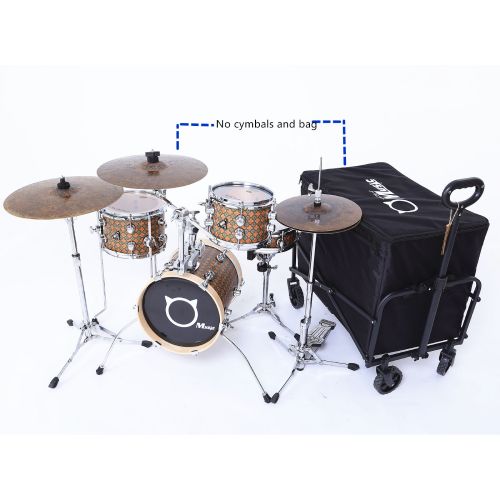
Before diving into the setup process, it's essential to familiarize yourself with the primary components of a standard drum kit:
-
Bass Drum (Kick Drum): The largest drum, played with a foot pedal.
-
Snare Drum: Positioned between the drummer's knees, crucial for backbeat rhythms.
-
Tom-Toms: Mounted or floor-standing drums used for fills and accents.
-
Hi-Hat Cymbals: Played with a foot pedal and sticks, providing rhythmic patterns.
-
Crash and Ride Cymbals: Used for accents and maintaining rhythm.
Step-by-Step Drum Kit Setup
1. Positioning the Bass Drum
Place the bass drum centrally in your setup area. Ensure it's stable and not wobbling. Adjust the bass drum legs to level the drum, preventing any movement during play.
2. Attaching the Bass Drum Pedal
Secure the bass drum pedal to the hoop of the bass drum. Adjust the beater so it strikes the drumhead squarely. Ensure the pedal tension suits your playing style for optimal response.
3. Setting Up the Snare Drum
Position the snare drum slightly to the left of your throne (for right-handed drummers). Adjust the height so that your arms are at a comfortable angle when playing.
4. Mounting the Tom-Toms
Attach the tom-tom mounts to the bass drum or separate stands. Position them at an angle that allows easy reach without straining.
5. Installing the Hi-Hat Stand
Place the hi-hat stand to the left of your snare drum. Adjust the height and angle of the cymbals to suit your playing technique.
6. Setting Up the Cymbal Stands
Position the crash and ride cymbals within easy reach. Ensure the stands are stable and the cymbals are at a comfortable height and angle.
Final Adjustments and Testing
Once all components are assembled:
-
Check Ergonomics: Ensure all drums and cymbals are within comfortable reach.
-
Test Pedals: Verify the bass and hi-hat pedals respond smoothly.
-
Play Test: Sit on your throne and play each component to ensure comfort and functionality.
Troubleshooting Common Setup Issues
| Issue |
Solution |
| Bass drum pedal too tight |
Adjust the tension screw to loosen |
| Snare drum too high/low |
Adjust the snare stand height accordingly |
| Cymbals not responsive |
Check stand stability and cymbal placement |
Conclusion: Personalizing Your Drum Kit
Remember, your drum kit setup should reflect your personal comfort and playing style. Don't hesitate to make adjustments as you become more familiar with your kit. A well-set-up drum kit not only enhances your playing experience but also contributes to your overall musical growth.