

One of the most significant downsides of Folding EBikes is their limited range. Due to their compact size, they typically feature smaller batteries, which results in shorter distances per charge. Most folding electric bikes can travel between 20 to 40 miles on a full charge, which may not be enough for long-distance commuters or those planning extended rides.
Battery size directly affects the range. While larger batteries provide a greater range, they also make the bike heavier. The trade-off between range and portability is a key factor for potential buyers to consider. Some models offer higher-capacity batteries to extend the range, but these may add more weight to the bike.
| Battery Type | Range (Approx.) | Pros | Cons |
|---|---|---|---|
| Small Capacity | 20-30 miles | Lightweight, compact design | Limited range, frequent charging |
| Medium Capacity | 30-50 miles | Balance of portability and range | Slightly heavier |
| High Capacity | 50+ miles | Long-range, better performance | Increased weight and bulk |
Folding EBikes tend to have smaller wheels, typically between 14 and 20 inches. While this allows for easier folding and storage, smaller wheels often lead to a less stable ride. They can struggle with rough or uneven surfaces, making the ride bumpy, especially when compared to full-sized bikes with larger wheels.
The small wheels of a Folding EBike reduce the contact surface area with the ground, leading to lower traction and less stability. Riders on bumpy or uneven terrain may find the ride uncomfortable or challenging, which makes them less suitable for off-road or rough city paths.
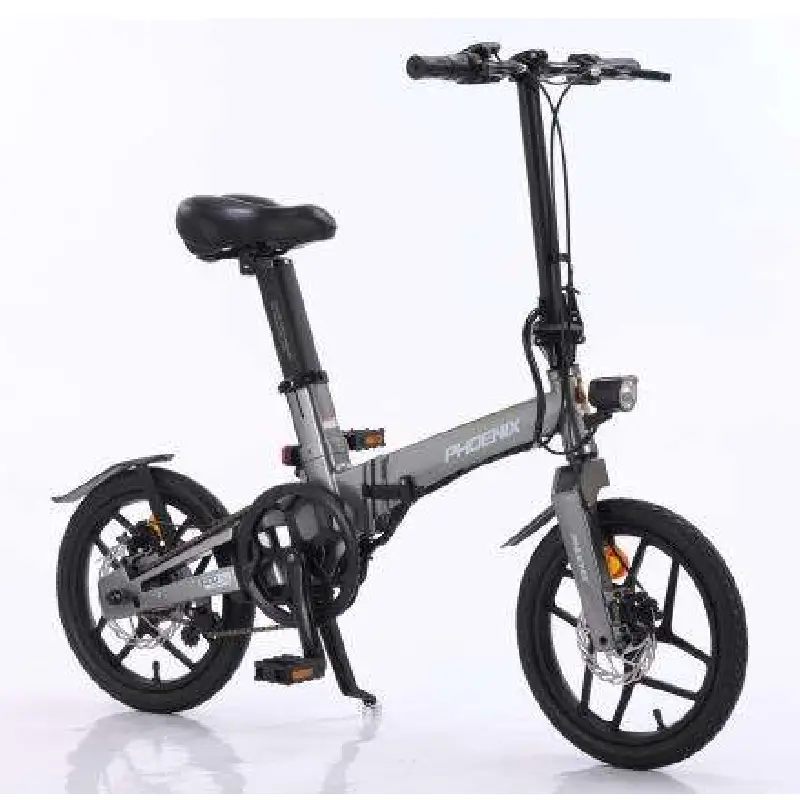
Although folding electric bikes are marketed for their portability, they are often heavier than traditional folding bikes due to the inclusion of a motor and battery. Folding EBikes typically weigh between 35 and 50 pounds, which can make them cumbersome to carry, especially when folded. For people who need to carry their bike up stairs or onto public transport, this weight can be a significant inconvenience.
While the compact design helps with storage, the added weight from the motor and battery can make Folding EBikes difficult to transport. Riders who need a bike for easy handling and carrying may want to consider lighter models.
| Folding EBike Type | Weight Range (lbs) | Pros | Cons |
|---|---|---|---|
| Lightweight Model | 30-40 | Easy to fold, relatively portable | Limited motor power, less range |
| Standard Model | 40-50 | More powerful motor, better range | Harder to carry, bulkier |
| Heavy-Duty Model | 50-60 | High power, longer range | Very heavy, difficult to transport |
Charging time can be a significant inconvenience for Folding EBikes. Most batteries take between 4 and 8 hours to charge fully. This is not ideal for riders who rely on their bike for daily commuting or want quick turnarounds. Additionally, the battery lifespan can also be an issue. Over time, the battery's capacity decreases, which results in shorter rides per charge. Replacing a battery can be costly and time-consuming.
Battery performance degrades over time, which can limit the overall lifespan of the Folding EBike. Proper maintenance, such as storing the bike in a cool, dry place and avoiding full discharges, can help extend the battery life. However, it is still something that buyers should consider, as battery replacement can be expensive.
Folding EBikes generally have a lower top speed compared to their larger counterparts. Most folding electric bikes are designed for urban commuting, meaning the maximum speed typically ranges from 15 to 20 mph. While this is sufficient for short trips or city rides, riders who need faster speeds may find this limiting.
The lower top speed of Folding EBikes makes them less suitable for riders who want to travel longer distances at higher speeds. These bikes are designed for efficiency and convenience rather than speed, so if speed is a top priority, a traditional electric bike might be a better fit.
| Speed Comparison | Folding EBike Speed | Other Electric Bikes Speed |
|---|---|---|
| Typical Folding EBike | 15-20 mph | 25-28 mph |
| Lightweight Models | 15 mph | 20-25 mph |
| High-Powered Models | 18-22 mph | 30+ mph |
While Folding EBikes are compact and convenient, the foldable design can affect durability. The folding mechanism, which allows the bike to be compacted for storage, is subject to wear and tear over time. Repeated folding and unfolding can weaken the frame or cause parts to loosen, which can lead to mechanical failures. The smaller size may also impact the overall durability of the bike.
The repeated folding and unfolding of the Folding EBike puts additional stress on the bike’s frame and components. Over time, this can lead to wear on the hinges, locking mechanisms, and even the wheels. This could mean more frequent repairs or replacements for those who regularly use the folding feature.
Another disadvantage of Folding EBikes is their limited storage options. Many folding electric bikes do not come with built-in baskets or storage compartments, which makes it harder to carry items like groceries, bags, or personal belongings. Additionally, because of the compact design, these bikes offer fewer customization options, especially when compared to traditional, full-sized electric bikes.
Folding EBikes provide a convenient and eco-friendly transportation option for city dwellers, but they come with several disadvantages. Limited range, smaller wheels, and heavier weight can make them less suitable for certain riders. Additionally, the charging time, speed limitations, and durability concerns are important factors to consider before purchasing. For those who prioritize portability and ease of storage, a Folding EBike can still be a great option. However, for longer rides, higher speeds, and better durability, a traditional electric bike may be a better fit.
For more information on choosing the right Folding EBike or for any questions, Welcome to inquiry. Our team is always available to help you find the best options for your commuting needs.