The Revolution of Digital Printing in Carpet Design
Digital printing technology has fundamentally transformed carpet manufacturing, enabling unprecedented design possibilities that were previously unimaginable with traditional methods. Unlike conventional tufting or weaving processes that limit pattern complexity and color variation, digital printing allows for photographic-quality patterns, intricate details, and unlimited color combinations to be directly applied to carpet surfaces. This technological advancement represents one of the most significant innovations in floor covering production since the industrial revolution, merging traditional craftsmanship with cutting-edge digital precision. The process has evolved from experimental applications to mainstream manufacturing, offering designers and homeowners exceptional creative freedom while maintaining the practical durability required for floor coverings.
Understanding Digital Printing Technology for Carpets
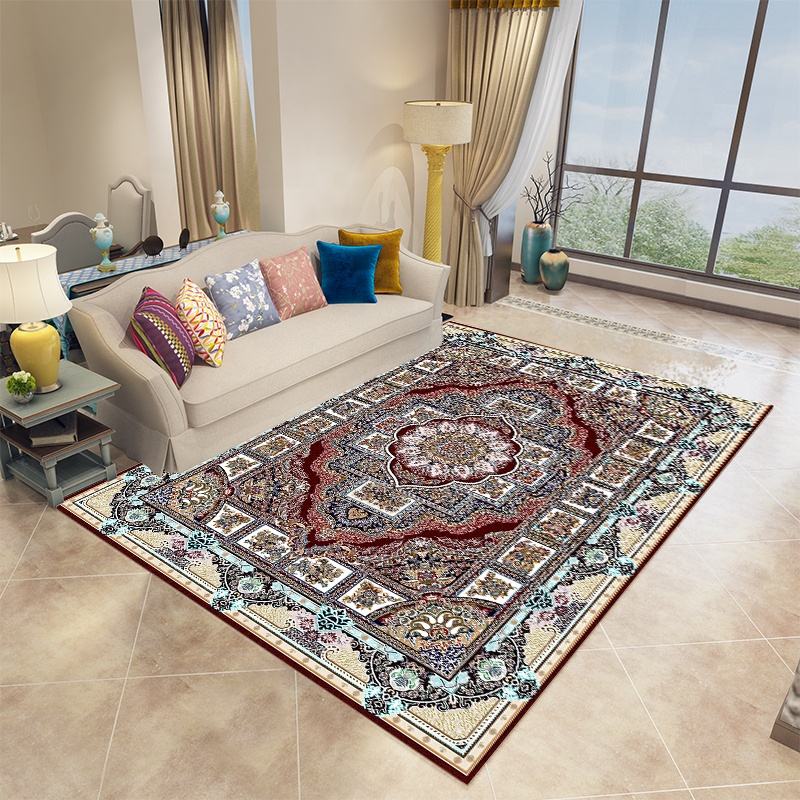
3d Printed Digital Carpet printing operates through sophisticated inkjet technology specifically engineered for textile applications. The process begins with pre-treatment of the carpet base material, typically using a chemical solution that ensures proper ink absorption and color fixation. Specially formulated pigment-based or dye-based inks are then precisely applied through print heads that move across the carpet surface, depositing microscopic droplets in exact patterns determined by digital files. The printed carpet subsequently undergoes a steaming process that fixes the colors, followed by washing to remove excess chemicals and drying to set the final product. Advanced systems can achieve resolutions exceeding 1,440 dpi, producing exceptionally sharp images and smooth color gradients that rival traditional photography. Modern printers can handle carpet widths up to five meters while maintaining consistent color accuracy across the entire surface.
Comparison with Traditional Manufacturing Methods
Traditional carpet manufacturing methods face significant limitations that digital printing effectively overcome. Axminster and Wilton weaving techniques, while excellent for producing durable carpets, restrict designs to relatively simple patterns with limited color ranges due to mechanical constraints of looms. Tufting machines offer slightly more flexibility but still struggle with complex patterns and color variations. Screen printing, another traditional method, requires separate screens for each color, making complex designs prohibitively expensive and time-consuming. Digital printing eliminates these constraints by requiring no screens, no minimum quantity requirements, and no color limitations. Where traditional methods might require weeks for pattern changes and setup, digital printers can switch between completely different designs in minutes, making short production runs and custom orders economically viable for the first time in carpet manufacturing history.
Design Possibilities and Creative Freedom
The design capabilities enabled by digital printing are virtually limitless. Designers can incorporate photographic images, intricate geometric patterns, realistic natural textures, and artistic reproductions that were previously impossible to achieve in carpet form. Gradients and color transitions can be rendered with smooth precision, unlike the staggered color changes inherent in woven carpets. Customization reaches new levels—homeowners can print personal photographs, company logos, or original artwork directly onto their carpets. Architectural elements can be incorporated into designs, creating optical illusions or complementing specific interior features. Historical patterns can be reproduced with exacting accuracy, preserving cultural designs that might be too complex for traditional manufacturing. The technology also supports variable data printing, allowing each carpet in a production run to feature unique elements while maintaining overall design consistency.
Material Compatibility and Technical Considerations
Digital printing technology adapts to various carpet materials, though each fiber type requires specific treatment for optimal results. Nylon carpets prove most receptive to digital printing, offering excellent color absorption and retention. Polyester and polypropylene carpets also accept digital prints well, though they may require specialized pre-treatment solutions. Wool presents greater challenges due to its natural scales and variations, but advanced printing systems have overcome these limitations through sophisticated pre-treatment processes. The carpet construction itself must feature a smooth, level surface for optimal print quality—cut-pile carpets generally produce better results than loop-pile constructions. Manufacturers must carefully balance pile density, as excessively dense piles may prevent ink penetration while sparse piles can show base material through printed patterns. The backing material must also withstand the printing process without warping or shrinking.
Durability and Performance Characteristics
Critically, digitally printed carpets must meet the same durability standards as traditionally manufactured products. The printing process itself does not inherently affect carpet durability—rather, the base carpet construction determines wear resistance and longevity. Printed carpets undergo rigorous testing for colorfastness, with most products achieving excellent ratings for lightfastness (resistance to fading from light exposure) and crocking (resistance to color transfer through rubbing). Abrasion resistance depends on the underlying carpet quality rather than the printed pattern. Modern printing inks penetrate deeply into carpet fibers, ensuring patterns remain visible even as the carpet experiences wear. Most manufacturers offer warranties comparable to traditionally produced carpets, with typical residential warranties ranging from five to twenty years depending on product quality. Properly manufactured digitally printed carpets perform equally well in residential and commercial applications, with some products specifically engineered for high-traffic environments.
Environmental Impact and Sustainability
Digital printing offers significant environmental advantages over traditional carpet manufacturing methods. The process dramatically reduces water consumption—traditional dyeing methods can use up to 100 liters of water per square meter of carpet, while digital printing uses minimal water primarily for steam fixation and final washing. Energy consumption decreases substantially due to reduced drying requirements and elimination of multiple dyeing processes. Chemical usage drops significantly as digital printing applies pigments only where needed rather than saturating entire carpets with dyes. Waste reduction proves particularly notable, with virtually no yarn waste from color changes and no minimum production quantities that lead to overproduction. Many manufacturers use eco-friendly inks that contain no heavy metals or hazardous chemicals, and some offer recycling programs for printed carpets at the end of their life cycle.
Practical Applications and Market Implementation
The practical applications of digitally printed carpets span residential, commercial, and specialty markets. Homeowners utilize the technology for custom area rugs featuring family photographs or personalized designs. Hospitality venues create branded carpets with intricate logos and patterns that reinforce their identity. Retail establishments incorporate wayfinding elements and promotional messages directly into their floor coverings. Museums and educational institutions reproduce historical patterns and educational content underfoot. The technology has proven particularly valuable for themed environments—amusement parks, casinos, and entertainment venues can create immersive environments through coordinated floor designs. Even automotive and aviation industries have adopted printed carpets for custom vehicle interiors. The relatively low setup costs make digital printing accessible to small businesses and individual consumers who previously could not afford custom carpet designs.
Future Developments and Industry Trends
The future of digital carpet printing continues to evolve with emerging technologies and market demands. Advances in ink formulation are producing colors with greater vibrancy and durability while reducing environmental impact. Printing speeds continue to increase, making the technology competitive with traditional manufacturing even for large production runs. Three-dimensional printing effects are emerging, creating textured surfaces that enhance the visual impact of printed patterns. Integration with smart home technology is beginning, with some manufacturers experimenting with conductive inks that could enable interactive floor surfaces. The industry is moving toward complete automation, from digital design files directly to finished products without human intervention. As the technology matures, costs continue to decrease while capabilities expand, suggesting that digital printing may eventually become the dominant method of carpet manufacturing across most market segments.
Digital printing has not only expanded design possibilities but has fundamentally democratized carpet customization, making personalized floor coverings accessible to broader markets while maintaining the durability and performance standards expected of modern carpets. This technology represents the perfect marriage of artistic expression and technical innovation, offering endless possibilities for enhancing interior environments through beautiful, functional floor art.