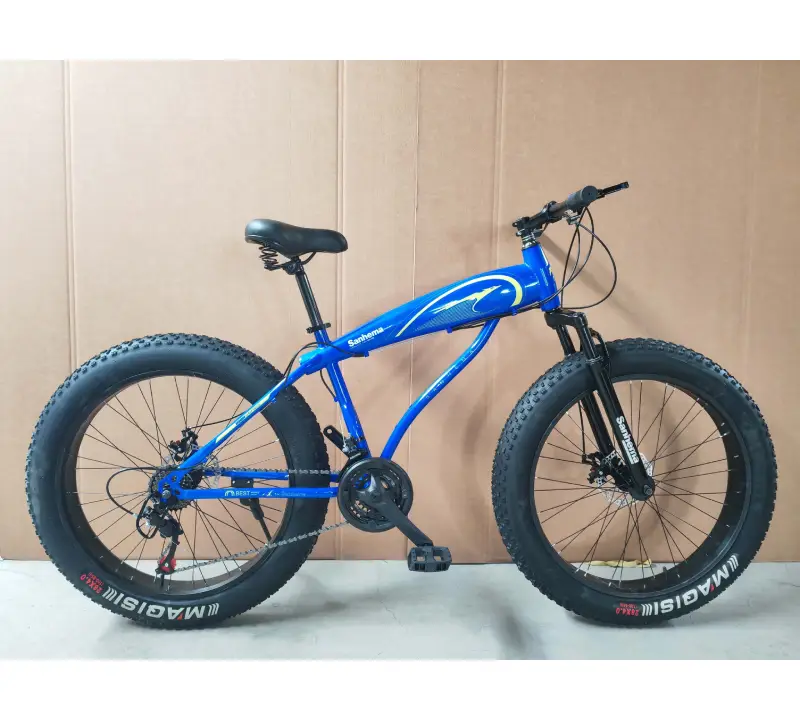

One of the key features of a snow bike is its fat tires. These wide tires are built to provide maximum surface area contact with the ground. The broader the tire, the more it distributes the rider's weight, preventing the bike from sinking too deep into soft snow. Fat tires also enhance traction on icy paths by creating more friction between the tire and the ground.
Fat tires typically range from 3.5 inches to over 5 inches in width, which helps the snow bike maintain balance and stability even on challenging surfaces. The design of the tires helps them perform well on both soft, powdery snow and more compacted snow. Snow bikes with these tires are much less likely to get stuck, providing an efficient ride across snowy terrain.
For snow bike enthusiasts, comfort is just as important as traction. The snow bike's suspension system plays a vital role in absorbing the shocks and bumps encountered on rough, uneven snow trails. Without a good suspension, riding on snow-covered ground can be a painful experience.
Most snow bikes are equipped with a full suspension or a rigid fork. The suspension system absorbs the vibrations caused by rocks, tree roots, and uneven snow layers, ensuring a smoother ride. Riders enjoy better control when handling rough conditions, whether they're navigating rocky terrain or riding through thick, snow-covered trails. A well-tuned suspension makes sure that each ride remains comfortable, no matter how harsh the landscape.
Snow biking requires a strong and durable frame that can withstand the elements. Frames for snow bikes are typically made from lightweight yet sturdy materials like aluminum or steel. These materials provide a balance of durability and weight, ensuring that the bike can handle the demands of snowy environments without being overly heavy.
The frame must also be designed to maintain balance and stability, even when riding on uneven or slippery surfaces. A frame optimized for snow biking is built to support the wider tires and handle the stresses of shifting snow conditions. In addition, modern snow bike frames are designed to resist corrosion from the constant exposure to snow, ice, and moisture, ensuring the bike lasts longer.
Snow bikes often come equipped with a 21-speed gear system to ensure smooth shifting through varied terrain. These gear systems allow riders to adjust their pedaling effort according to the snow conditions. In deep snow or steep terrain, switching to a lower gear helps maintain balance and prevent fatigue.
On the other hand, high gears are great for flat, packed snow trails. The ability to seamlessly change gears ensures that the bike performs optimally across different types of snow conditions. With the right gear setup, snow biking becomes more efficient, allowing riders to handle the challenges posed by different snowy environments.
Brakes are another essential component for ensuring safety and performance. In snowy conditions, disc brakes are commonly used on snow bikes due to their reliability and performance. These brakes offer powerful stopping power, even when wet snow or ice reduces traction.
Snow bike disc brakes are designed to handle extreme cold temperatures and resist freezing. They ensure that the rider can stop quickly and safely, even on icy terrain. Reliable brakes are especially important when riding downhill or navigating through densely packed snow where sudden stops might be required.
Not all snow bikes are the same, and choosing the right one depends on the type of terrain you'll be riding on. If you're planning to ride on softer snow, a bike with wider tires and a full suspension system is ideal. On the other hand, if you intend to ride on compacted snow or icy trails, you might prefer a bike with a more rigid frame and thinner tires that offer more agility.
When selecting a snow bike, it’s essential to consider factors like tire width, frame material, and suspension type. Additionally, you should take into account the type of riding you plan to do, whether it's casual riding through a winter park or exploring more rugged backcountry trails.
Maintaining a snow bike is crucial for ensuring optimal performance. Since snow bikes are exposed to harsh weather conditions, regular maintenance is required to keep them in top condition. After each ride, it's essential to clean the bike thoroughly to remove snow, ice, and salt that could cause corrosion.
Additionally, always check the brakes and tires for wear and tear. Contact us for expert maintenance tips or if you need to find reliable snow bike repair services. Proper care and timely adjustments will ensure that your snow bike remains in great shape throughout the winter season.
Snow bikes are designed to offer optimal traction and performance across a wide range of winter conditions. By focusing on essential features like fat tires, advanced suspension systems, durable frames, and reliable brakes, snow bikes are equipped to handle the most challenging snowy landscapes. Whether you're an avid winter cyclist or a beginner looking to explore the snow-covered trails, the right snow bike can make all the difference in your outdoor adventure.
For more information about snow bikes and how to get started, don't hesitate to contact us and learn more about our range of snow bikes tailored for maximum performance.