

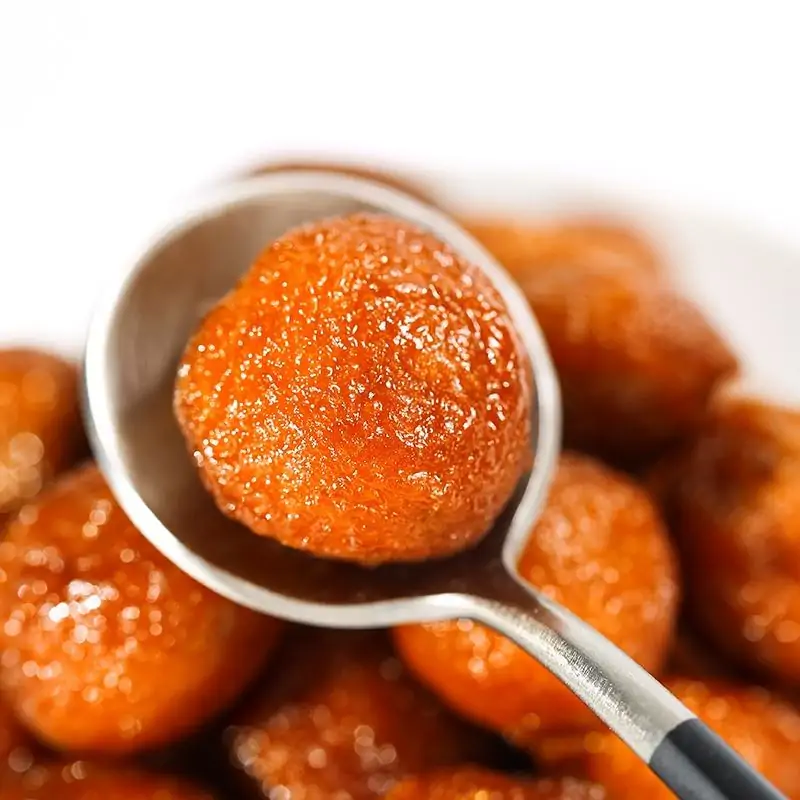
Candied fruit is fruit cooked slowly in sugar. The process preserves natural flavor and color. It becomes sweet, chewy, and long-lasting. Sugar acts as a preservative and gives the fruit a shiny, appealing look.
The term comes from the sugar “candy” process. When fruit is fully infused with sugar, it becomes candied. Other names include crystallized fruit or sugar-preserved fruit. All refer to the same sweet treat.
Dried fruit removes water naturally or with heat. Candied fruit keeps water and adds sugar. Candied fruit is sweeter and softer than dried fruit. It has a different texture and taste.
Candied fruit has ancient origins. People first preserved fruit with sugar or honey. In Europe, candied fruit became popular in the Middle Ages. Wealthy families used it as a luxury treat.
Candied fruit spread across Asia, Europe, and the Middle East. Recipes evolved to include citrus, cherries, and tropical fruits. Today, candied fruit is common worldwide.
Historically, candied fruit was used in desserts, pastries, and holiday dishes. Its long shelf life made it ideal for trade and storage. Candied fruit became a symbol of celebration.
The process starts with fresh fruit. Fruits are washed and peeled if needed. Then they are boiled in sugar syrup. The syrup concentration is gradually increased.
The fruit absorbs sugar over several days. This prevents microbial growth. The texture becomes soft yet firm. The flavor intensifies. Sugar replaces some of the fruit water.
After infusion, fruit is lightly dried. Some fruits are coated with granulated sugar. This prevents stickiness and adds sparkle. Finished fruit is ready for consumption or packaging.
Common fruits include cherries, oranges, lemons, pineapple, and ginger. Almost any fruit can be candied if prepared properly. Each fruit has a unique flavor and texture after candying.
| Fruit | Flavor Profile | Texture After Candying | Common Uses |
|---|---|---|---|
| Cherry | Sweet, tart | Soft, chewy | Cakes, cookies |
| Orange peel | Citrusy | Firm, slightly chewy | Baking, decoration |
| Lemon peel | Tart, aromatic | Chewy, flavorful | Desserts, snacks |
| Pineapple | Sweet, tropical | Soft, juicy | Cakes, confectionery |
| Ginger | Spicy, warm | Chewy, fibrous | Snacks, pastries |
Candied fruit is versatile. It is eaten as a snack, dessert, or decoration. It is often found in cakes, cookies, and pastries.
Candied fruit adds sweetness, flavor, and color. Fruitcakes and panettone often include candied fruit. It makes baked goods visually appealing and delicious.
Candied fruit can be eaten alone. It is popular during holidays. Packaged candied fruit is often given as gifts. It is convenient, portable, and festive.
Chefs use candied fruit to decorate desserts. Small pieces add shine and elegance. They enhance flavor subtly without overpowering dishes.
| Use Type | Example |
|---|---|
| Baking | Fruitcake, muffins |
| Snacks | Alone, with nuts |
| Decoration | Cake toppings, pastries |
| Gifts | Holiday gift packs |
Candied fruit offers several advantages. It has a long shelf life. It preserves the natural flavor of fruit. It is portable and convenient for snacks.
Candied fruit provides energy from sugar. It also retains some vitamins and minerals. However, sugar content is high. Consume in moderation to maintain health.
Candied fruit is associated with holidays and celebrations. It brings a festive feel to meals. It connects people to tradition and culture.
There are many types worldwide. Citrus peel, cherries, pineapple, and ginger are most common. Tropical fruits are also candied in many regions.
Orange, lemon, and lime peels are candied. They are used in baking or eaten as sweet treats. Citrus peel has a bright color and refreshing taste.
Red cherries and cranberries are popular. They are vibrant and attractive in desserts. Their tart-sweet flavor balances rich baked goods.
Pineapple, mango, and papaya are often candied. They provide exotic flavor and sweetness. Tropical candied fruits add variety to baked products and snacks.
| Fruit | Flavor | Best Used For | Regional Popularity |
|---|---|---|---|
| Orange peel | Citrusy | Cakes, desserts | Europe, Asia |
| Lemon peel | Tart | Pastries, snacks | Global |
| Cherry | Sweet, tart | Cakes, cookies | Europe, America |
| Pineapple | Sweet | Baking, snacks | Asia, Caribbean |
| Ginger | Spicy | Snacks, pastries | Asia |
Candied fruit should be stored in a cool, dry place. Airtight containers prevent moisture. Proper storage maintains texture and color.
Candying preserves fruit for months. Properly stored candied fruit can last up to a year. Keep away from humidity to avoid stickiness or mold.
Use candied fruit in small amounts. They are sweet and concentrated. Add to desserts, breads, cereals, or even ice cream for extra flavor.
| Tip | Reason |
|---|---|
| Store in airtight container | Prevent moisture and spoilage |
| Keep in a cool dry place | Maintain texture and flavor |
| Portion control | Prevent overconsumption of sugar |
| Use in moderation | Maintain balance in diet |
A candied fruit is fruit preserved in sugar. It can also be called crystallized fruit or sugar-preserved fruit. Candied fruit is versatile in baking, snacks, and decoration. It preserves flavor, color, and sweetness. Enjoy candied fruit in moderation for energy and taste. Candied fruit makes meals festive and colorful. Welcome to contact us for more information about quality products.